

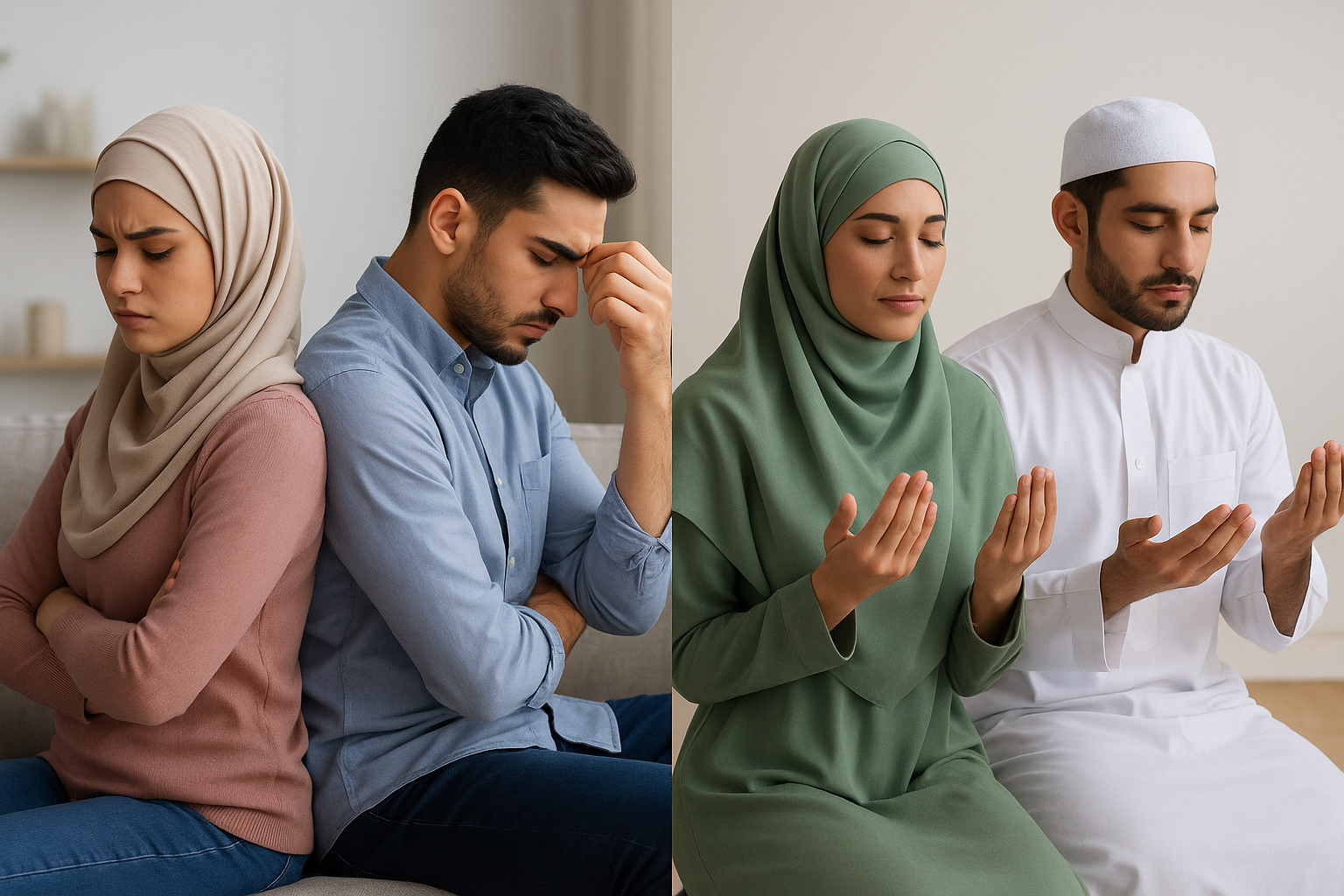
Across many Muslim communities from South Asia to the Middle East, Europe, and beyond divorce rates are rising faster than ever before. What was once considered rare and socially sensitive is now becoming increasingly common. The reasons, however, are not simply about failed relationships they reflect deeper Social, Cultural and Economic shifts within the Muslim world itself.
Changing Realities, Unchanged Expectations
Islam permits divorce as a last resort never as a first step. The Prophet Muhammad (peace be upon him) said, “Among lawful things, divorce is most hated by Allah.”
Yet in modern times, the sacred institution of marriage is often entered without adequate emotional readiness, mutual understanding, or respect for its religious and social responsibilities.
Many couples today marry under social pressure or family arrangements without personal compatibility. When life’s realities financial stress, migration, work life imbalance enter the picture, patience and communication begin to fade. The Result: Separation, Conflict and Too often, divorce.
Key Reasons Behind the Rise
- Weak Religious Foundation:
Marriages are sometimes conducted with cultural ceremony but little spiritual depth. Couples may know Nikah as a contract, but not its divine purpose Sakinah (Tranquility), Rahmah (Mercy), and Mawaddah (Love). - Ego and Miscommunication:
Modern relationships struggle with pride, stubbornness and social media driven expectations. Small disagreements turn into ego battles. Lack of listening or apology leads to emotional distance. - Economic and Role Pressure:
Rising costs of living, job insecurity and expectations from both sides men as providers, women as equal contributors create unspoken tension. Financial struggles often test even strong marriages. - Family Interference:
In many cultures, in-laws or extended families play a dominant role in a couple’s private affairs. Over involvement often fuels conflict instead of resolving it. - Instant “Talaq” Misuse and Lack of Guidance:
The misuse of instant or anger driven Talaq (divorce) has destroyed many homes. Despite clear Quranic procedures involving reconciliation, waiting periods (iddah), and arbitration many act in haste and regret later. - Impact of Technology and Social Media:
Unhealthy comparisons, emotional affairs and online distractions can weaken real relationships. The digital age has made temporary attraction easier and long term commitment harder.
The Forgotten Islamic Balance
Islam’s approach to marriage is one of balance rights with Responsibilities, Freedom with faith, Love with patience. The Quran emphasizes communication, mutual respect and forgiveness:
“And live with them in kindness. For if you dislike them perhaps you dislike a thing and Allah makes therein much good.” (Quran 4:19)
Before divorce, the Quran instructs mediation through elders from both families (Quran 4:35). Sadly, this step is often ignored and couples go directly to separation without seeking counseling or community intervention.
The Way Forward: Solutions and Awareness
- Premarital Counseling and Education:
Islamic centers, Scholars and Community leaders should offer premarital workshops teaching emotional intelligence, conflict resolution and Islamic marital ethics. Understanding rights and responsibilities before marriage prevents many crises. - Communication and Patience:
Couples must learn to communicate with humility. Listening without reacting, forgiving without counting faults and respecting differences can save countless relationships. - Family Boundaries:
Parents must learn to guide, not control. Once a marriage is established, privacy must be respected. Every interference weakens trust between spouses. - Faith and Prayer Together:
A home built on prayer, Quran and shared spirituality becomes resilient. Praying together or making Dua for one another rebuilds emotional connection in difficult times. - Community Mediation Centers:
Local mosques and welfare boards can establish confidential marriage counseling and mediation panels guided by Islamic law and psychological expertise. - Women’s Empowerment with Dignity:
Islam encourages equality and respect, not competition. Supporting women’s education, independence and decision making strengthens families, not weakens them.
Conclusion: Reclaiming the Mercy in Marriage
Divorce is sometimes necessary when Abuse, Injustice or Irreparable harm exists. But its growing normalization reflects a society losing its patience, mercy and faith based values.
Marriage in Islam was never meant to be a transaction, it was meant to be a partnership one rooted in Rahmah (compassion).
If communities refocus on the Prophet’s model of kindness, respect and patience between spouses, we may yet reverse this rising tide. The solution is not stricter control, but deeper understanding.
Let our homes be places of dialogue, not dominance of healing, not hurt so that the beauty of marriage, as intended in Islam, may once again shine with peace and love.