
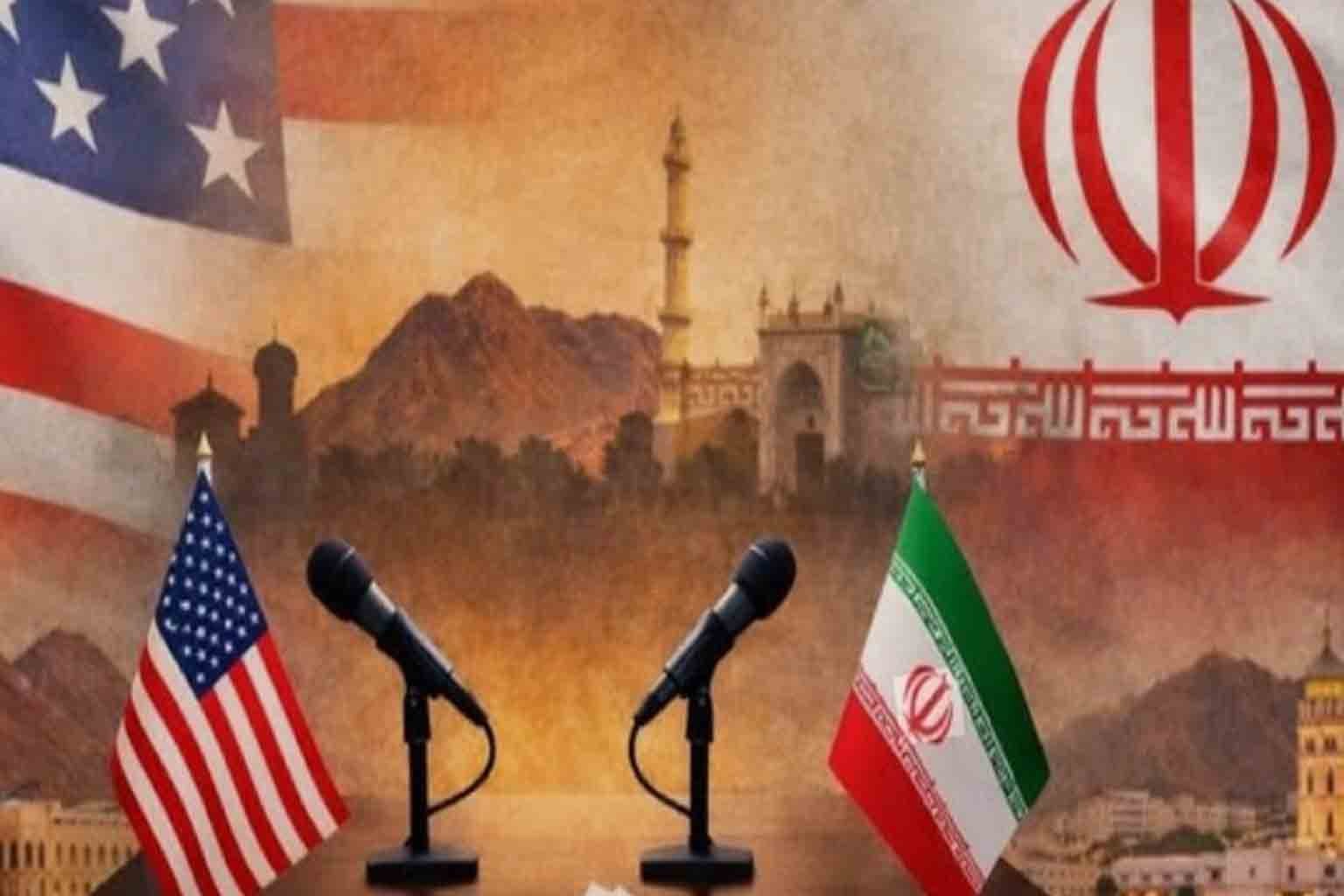
High stakes negotiations between the United States and Iran are set to take place in Islamabad, but growing tensions and strong warnings from US leadership are casting uncertainty over the outcome.
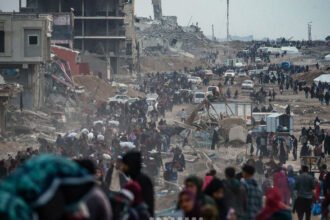
The talks follow a fragile two week ceasefire aimed at halting weeks of intense conflict. However, ongoing violence in the region and disagreements over key issues have raised concerns that negotiations could face serious obstacles before they fully begin.
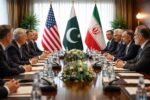
Officials from both sides are arriving in the Pakistani capital under heavy security. The US delegation is expected to be led by Vice President JD Vance, while senior Iranian representatives will speak for Tehran. The discussions are widely seen as a critical opportunity to move from a temporary truce toward a more lasting agreement.
Despite this, the atmosphere remains tense. US leadership has issued firm warnings that failure to reach a deal could lead to renewed military action. Reports indicate that American forces are maintaining a heightened state of readiness, signaling that diplomatic efforts are being pursued alongside contingency planning.
Key disagreements continue to divide both sides. Among the most sensitive issues are Iran’s nuclear program, economic sanctions, and control over the strategically important Strait of Hormuz. Iran is seeking sanctions relief and broader concessions, while the US is pushing for stricter limits on nuclear activities and regional influence.
Adding to the pressure, disputes over whether ongoing violence in Lebanon falls within the ceasefire terms have created further friction. Continued strikes in the region have raised doubts about the stability of the truce, with both sides accusing each other and their allies of violations.
Pakistan, acting as a mediator, has emphasized the importance of keeping dialogue open, even if a comprehensive agreement is not immediately achieved. Officials describe the talks as a critical moment that could determine whether the conflict moves toward de-escalation or renewed escalation.
As negotiations begin, the stakes remain high not only for regional stability but also for global energy markets already affected by disruptions linked to the conflict. The coming days are expected to play a decisive role in shaping the future of relations between Washington and Tehran.