
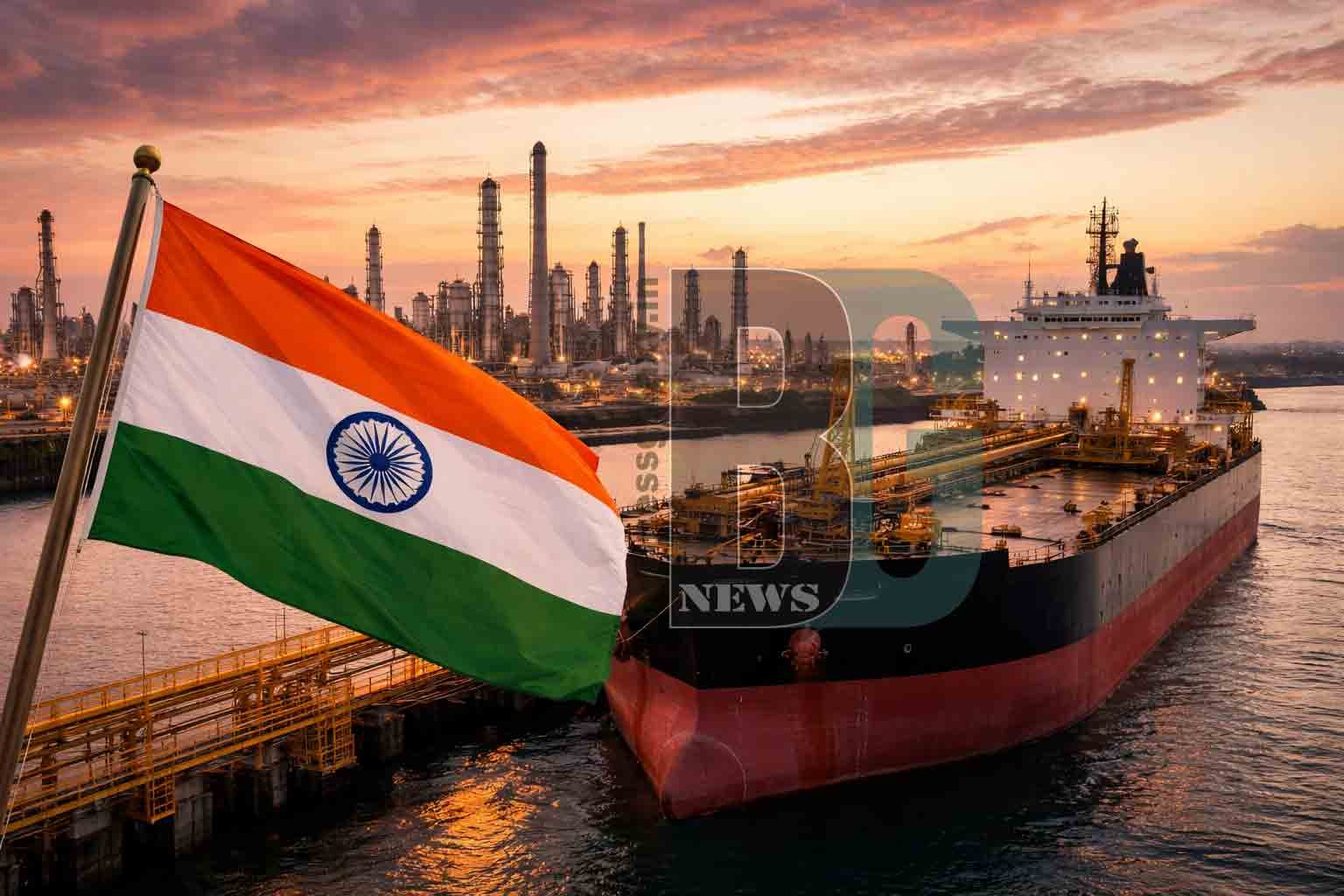
Amid rising tensions in the Middle East and fears of disruptions to global energy supplies, the United States has allowed India a temporary 30 day waiver to continue purchasing Russian crude oil. The decision comes as energy markets face uncertainty following escalating conflict in the Gulf region, which has threatened shipping routes and oil infrastructure.
The waiver, announced by the administration of Donald Trump, is aimed at preventing a sudden shock to global oil markets. India is one of the world’s largest energy consumers and has become a major buyer of discounted Russian crude since the outbreak of the Russia – Ukraine War. Analysts say an immediate halt to these purchases could have pushed oil prices even higher and disrupted supply chains across Asia.
Officials in Washington indicated that the temporary exemption is intended to give markets time to stabilize while diplomatic efforts continue in the region. The ongoing conflict involving Iran and Israel has already raised fears about the security of shipping through the strategic Strait of Hormuz, a vital route for global oil exports.
India has maintained that its energy purchases are driven by national interest and economic necessity. Government officials have repeatedly said that affordable and reliable energy supplies are essential for the country’s economic stability and development.
However, the waiver has also sparked debate among analysts and political observers in India. Some critics argue that the situation raises uncomfortable questions about whether India, a major global power and one of the fastest growing economies, should have to rely on approval or exemptions from another country to meet its energy needs. They say that needing sanctions relief or waivers can appear to undermine India’s strategic autonomy.
Others point out that international sanctions regimes and financial systems are heavily influenced by the United States, meaning many countries including major economies must navigate these restrictions carefully to avoid economic penalties.
For now, the 30 day waiver offers temporary breathing room for India’s energy imports while global leaders watch closely for any further escalation in the Middle East conflict.