
Uncertainty continues to surround the United States’ announced 5 day pause in military operations against Iran, as tensions remain high across the Middle East. While Washington has presented the pause as an opportunity for de-escalation, analysts and regional observers suggest it may also provide time for regrouping and preparation for possible further action.
Iran has reacted with strong skepticism, warning that it cannot trust the United States and cautioning that any pause could be used to plan fresh attacks. Iranian officials have stated they are prepared for any escalation, emphasizing that their forces are on alert and ready to respond if hostilities resume.
At the center of the growing concern is the strategic Strait of Hormuz, a critical global oil route. Any attempt to control or secure the waterway militarily could significantly escalate the conflict, disrupt global energy supplies, and draw more countries into direct involvement.
Countries Hosting US Bases in the Gulf Region
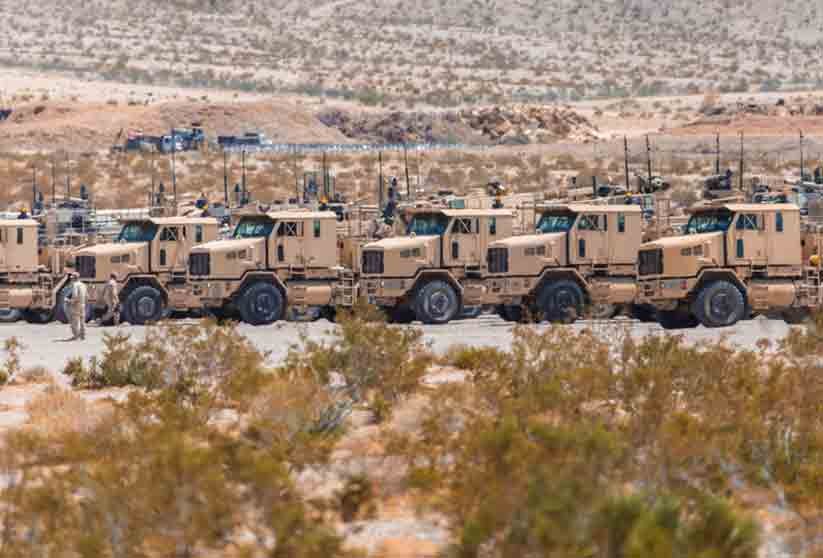
A key factor in the conflict is the widespread presence of US military bases across the Gulf and surrounding region. The United States maintains a large military footprint, with forces stationed across multiple countries.
The main countries hosting US bases include:
- Bahrain: Headquarters of the US Navy’s Fifth Fleet
- Qatar: Home to a major US air base
- Kuwait: Key logistics and ground operations hub
- United Arab Emirates: Important air and naval facilities
- Saudi Arabia: Strategic military coordination and support
- Oman: Access to ports and airfields
- Jordan: Forward operating bases for regional missions
These bases play a crucial role in air operations, intelligence gathering, and rapid deployment capabilities across the region. However, they have also become potential targets amid rising tensions.
Regional Dilemma
Despite hosting US forces, many Gulf countries are trying to avoid direct involvement in the conflict. Several states are maintaining a cautious and defensive posture, wary of being drawn into a broader war that could threaten their own security and economic stability.
Global Implications
The situation has far-reaching consequences beyond the Middle East. Any escalation especially involving key routes like Hormuz could trigger spikes in oil prices, disrupt global trade, and increase geopolitical instability.
As the 5 day pause continues, the world is watching closely. Whether it leads to diplomacy or serves as a prelude to further military action remains uncertain, with both sides preparing for multiple scenarios.