
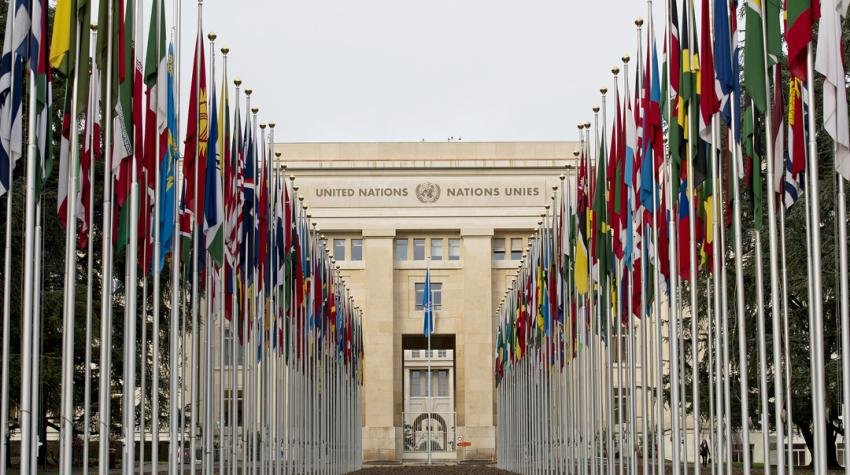
The United Nations Human Rights Council (UN HRC) has approved a resolution to establish an ongoing, independent investigative mechanism to monitor and document human rights violations in Afghanistan since the Taliban regained power. The framework particularly emphasizes abuses against women and girls.
What the Resolution Does
- The investigative mechanism will collect, consolidate, preserve, and analyse evidence of serious violations under both international human rights law and humanitarian law.
- It will prepare case files that could be used in national and international legal proceedings, including at the International Criminal Court (ICC).
- Among the abuses to be examined are gender persecution, arbitrary dismissal of female judges and legal professionals, denial of education for girls beyond certain ages, restrictions on women’s mobility, and other legal restrictions targeting women and girls.
Themes & Findings So Far
- The Taliban, since retaking control in 2021, have enforced policies that severely limit the rights of women and girls e.g. barring girls from study past a certain level, restricting women from many professions, and removing women from the judiciary.
- The UN’s Special Rapporteur, Richard Bennett, has accused the Taliban of “weaponizing” the legal system to suppress women and girls treating them as second class citizens.
- Laws protecting women were suspended, judicial bodies that included women were dismantled, and in many places male judges without formal legal training have replaced them.
Who Supported / Opposed
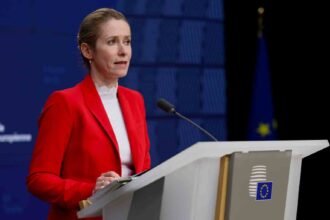
- The resolution was spearheaded by the European Union and adopted with broad support.
- There was no formal vote in opposition; most members agreed, signaling strong concern over impunity in Afghanistan.
- China abstained, saying the resolution was critical but lacked acknowledgement of any positive developments (economic stability, improvements in livelihoods) in Afghanistan.
Why It Matters
- The new mechanism is an important tool in holding individuals accountable not only those in formal leadership positions, but others who enforce or carry out these restrictive policies.
- It sends a message that international law has not forgotten Afghanistan and that there is growing will among states to push for accountability where abuse has been systemic and ongoing.
- For victims women, girls, minorities, rights activists in Afghanistan it offers some hope that abuses, repression, and exclusion might be documented and challenged in the future.
Challenges & What to Watch
- Implementation: The mechanism needs sufficient funding, staffing, access to Afghan sources (witnesses, documents), and cooperation from UN bodies and member states.
- Safety of witnesses: Given Taliban control, many victims are at risk if identified, so protections will be crucial.
- Scope: Whether the mechanism will fully cover abuses by all actors, including not just the Taliban but also former government officials, non-state armed groups, or international forces involved in earlier conflicts.
- Legal and political hurdles: Taliban may reject or resist parts of the mandate or refuse to cooperate. Some countries may push back over jurisdictional or diplomatic concerns.
What International Groups Are Saying
- Human Rights Watch and Amnesty International welcomed the decision, calling it a “landmark step” toward accountability and justice for thousands suffering under ongoing repression.
- The International Commission of Jurists (ICJ) has emphasized that this mechanism must be quickly made operational, adequately resourced, and protected from political interference.
Conclusion
This resolution marks a pivotal moment in the global human rights effort concerning Afghanistan. For many, it represents recognition that the international community must do more than condemn abuses it must gather evidence, build records, and support pathways to justice. How effectively this new mechanism functions will depend on international cooperation, resources, and courage in the face of repression.