
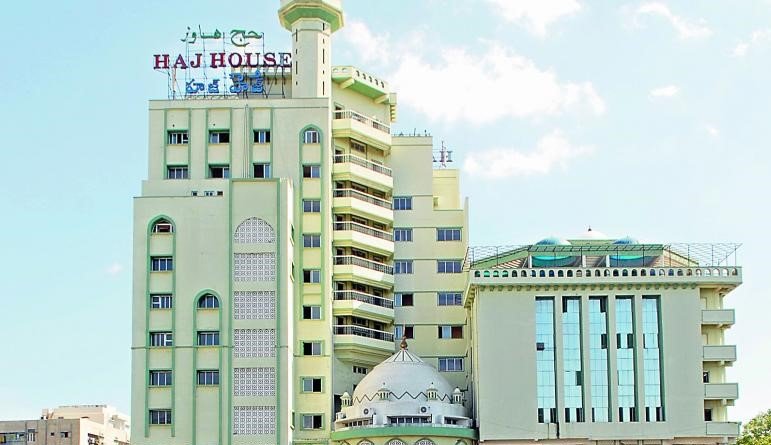
The Telangana Waqf Board, one of the state’s key minority institutions, is facing a deep crisis after the government recently removed the post of Chief Executive Officer (CEO). The absence of a CEO, coupled with the lack of elected members in crucial positions, has paralyzed both decision making and day to day administrative work.
For weeks, board meetings have not taken place, leaving several urgent issues unresolved. Officials admitted that files and policy decisions remain pending because there is no authorized signatory with the power to move them forward.
Key Functions Stalled
The Waqf Board is responsible for the management of thousands of properties, including mosques, dargahs, graveyards, and other institutions across Telangana. With no CEO in place, sensitive matters such as protection of wakf lands, encroachment cases, development proposals, and disbursement of funds have slowed down.
Insiders say that staff at the board’s office are functioning in a “caretaker” capacity, but without top leadership, they cannot clear projects or respond to growing complaints from the community.
Concerns from Minority Leaders
Community leaders and political representatives have raised concerns that the absence of a functional board could lead to mismanagement and even exploitation of wakf properties. They have urged the state government to immediately fill the leadership vacuum.
“Leaving the Waqf Board leaderless at a time when encroachments are rising is risky. This is not just an administrative gap; it affects the religious and cultural identity of the community,” said one activist.
Government’s Stand
The state government, which recently reorganized several minority institutions, has defended the removal of the CEO post, claiming it intends to streamline management by introducing new reforms. However, no clarity has been provided on when elected members will be appointed or whether an alternative structure will replace the CEO role.
Uncertain Future
Until these vacancies are filled, the Waqf Board’s future remains uncertain. With critical land and property cases hanging in the balance, community members fear that prolonged paralysis could cause permanent damage to the institution’s role in safeguarding minority rights and heritage.