

The Telangana government, through the Telangana State Minorities Finance Corporation (TGMFC), has announced a new welfare initiative aimed at economically empowering women from minority communities. The scheme is part of the state’s push to ensure inclusive development and targeted support for vulnerable groups.
Scheme Details
- Under the scheme, approximately 15,000 minority women will be selected in Phase I to receive support for starting micro businesses or acquiring equipment for self employment.
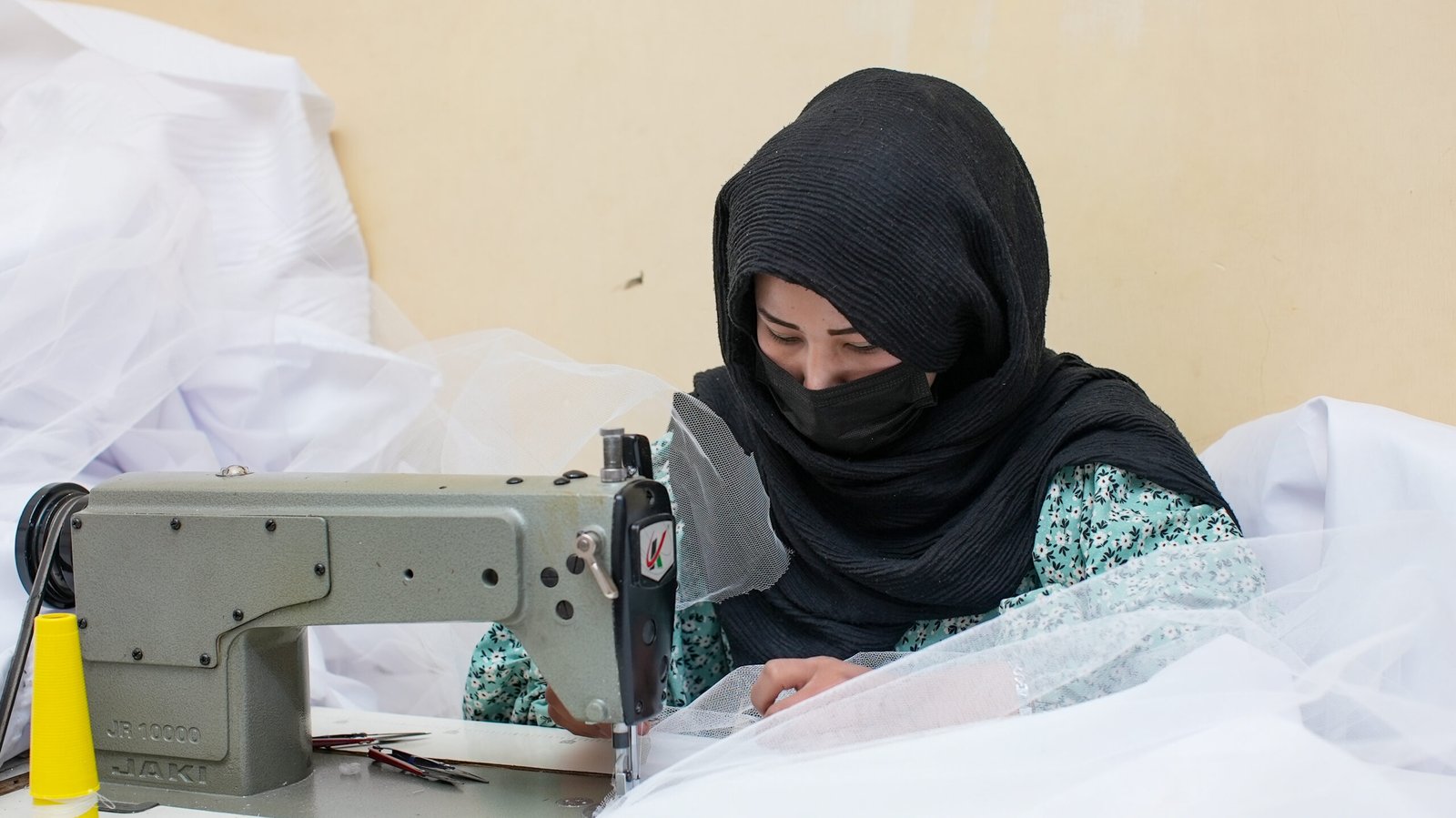
- For example, one component of the initiative provides eligible women with subsidised assistance of ₹50,000 each to set up business ventures. Another component includes the distribution of sewing machines to thousands of chosen women, enabling them to work from home or launch small enterprises.
- The corporation has indicated that online applications will be invited and an identification/selection process will be conducted district-wise to ensure transparency and reach.
Why This Scheme Matters
- The scheme directly addresses gender and minority economic empowerment, linking financial assistance with entrepreneurship rather than purely grant based welfare.
- By focusing on business and livelihood creation for minority women, the state government aims to reduce dependency, raise incomes, and foster self sufficiency in historically under served communities.
- It also reflects a broader strategy of inclusive growth by the Telangana government, aiming to bring minority women into mainstream economic participation.
What Applicants Should Know
- Interested applicants must check eligibility criteria, which will include factors such as minority community status, economic condition and residence in the state.
- A transparent selection process will be followed, with online portals and district level offices facilitating application submission.
- Once selected, beneficiaries will receive the financial aid or equipment (such as sewing machines) and may receive training or mentoring support to run their ventures effectively.
What to Watch Next
- The rollout of Phase I and the number of beneficiaries actually reached will be key indicators of success.
- Monitoring whether the assistance leads to viable micro businesses rather than one time consumption will determine long term impact.
- Ensuring that the scheme avoids delays, bottlenecks or exclusion due to paperwork is essential for its credibility.