

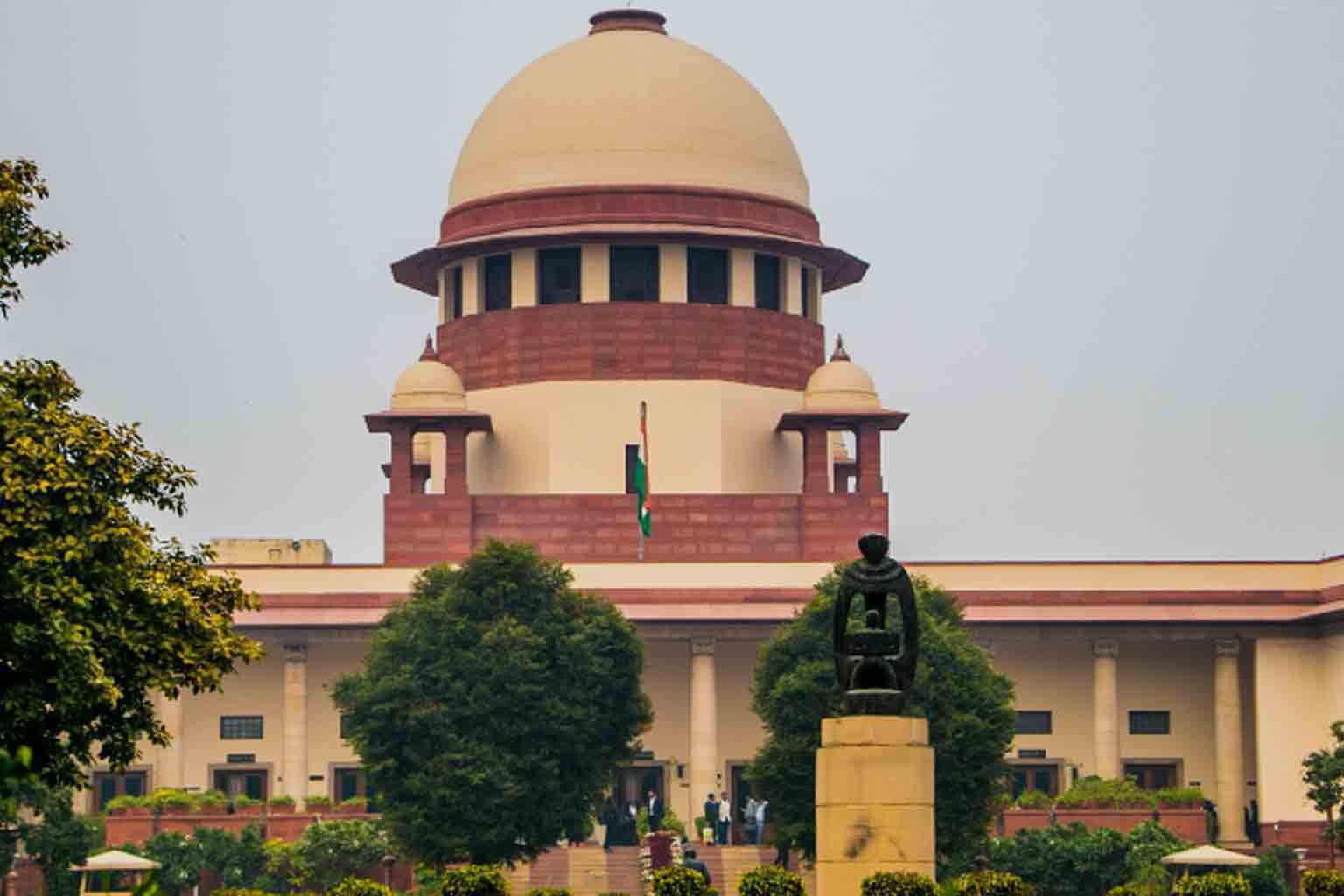
The Supreme Court on Thursday stayed the implementation of the University Grants Commission’s (Promotion of Equity in Higher Education Institutions) Regulations, 2026, while hearing a batch of petitions challenging their validity.
A bench of the Supreme Court observed that certain provisions of the new regulations appear ambiguous and may be open to misuse if implemented in their present form. The court said that the issue involves serious questions relating to equality, non-discrimination and the powers of the UGC to frame such rules.
The petitions argue that the 2026 regulations dilute existing protections against discrimination and exclude several vulnerable groups from the grievance redressal mechanism. The petitioners also contended that the UGC acted beyond its statutory authority by introducing regulations without adequate consultation and legislative backing.
During the hearing, the court noted that the regulations must be clear, inclusive and consistent with constitutional principles. It said that any framework aimed at promoting equity in higher education must not create further discrimination or uncertainty in implementation.
With the stay order, the Supreme Court directed that the earlier 2012 anti-discrimination regulations will continue to operate until further orders. The bench also issued notice to the Union government and the UGC, seeking their responses on the constitutional and legal challenges raised in the petitions.
The court has listed the matter for further hearing, when detailed arguments from all sides will be considered. No final decision on the validity of the regulations has been taken at this stage.
Legal experts say the outcome of the case could significantly affect how equity and inclusion policies are framed and enforced in universities and colleges across the country. The case has also sparked wider debate on the balance between institutional autonomy and the state’s responsibility to ensure equal access to education.