
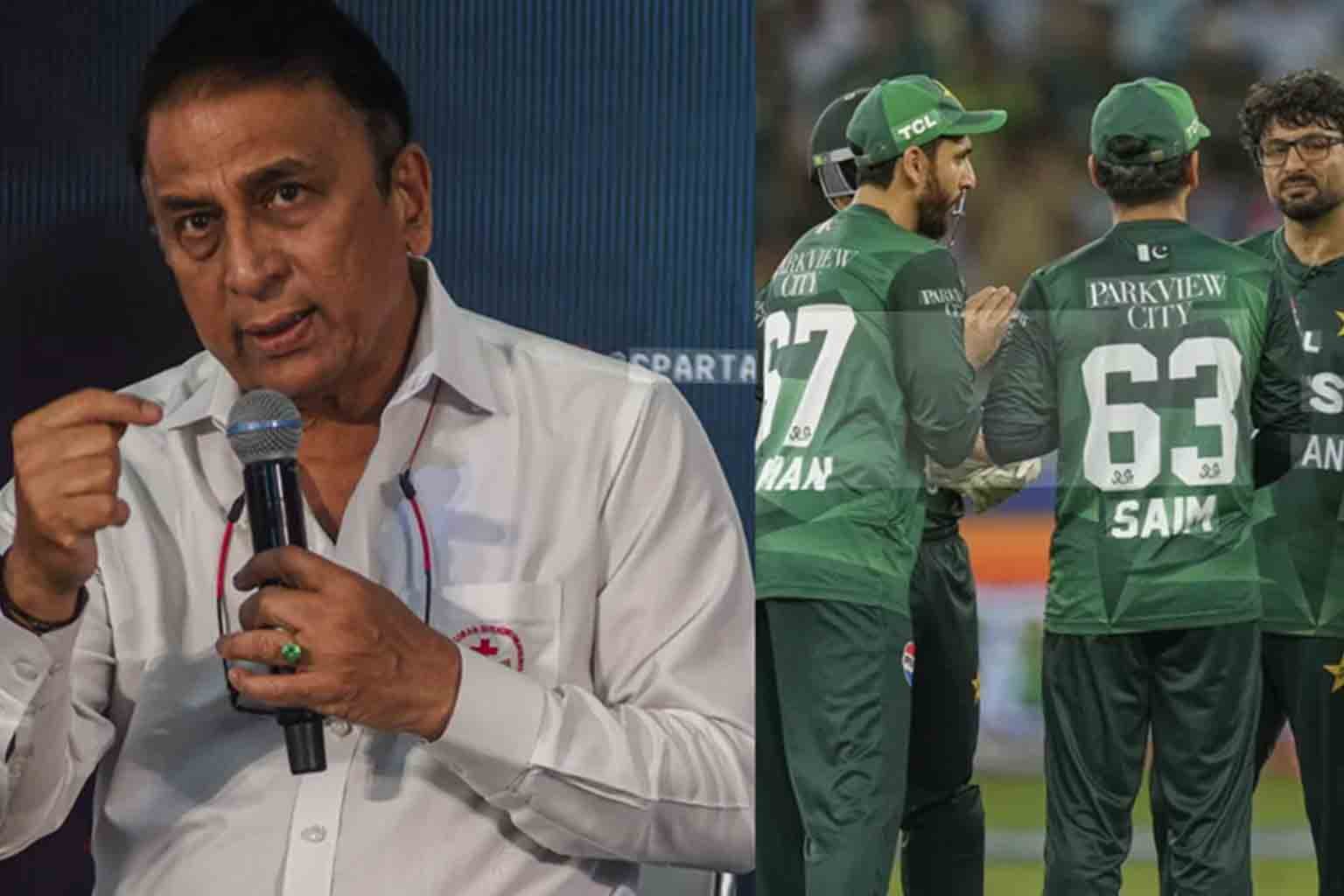
Former India captain Sunil Gavaskar has delivered a blunt message to the International Cricket Council (ICC) following reports that Pakistan may refuse to play India at the upcoming ICC Men’s T20 World Cup, citing political tensions between the two nations.
The statement comes after Pakistan’s cricket authorities reportedly indicated that their team could boycott matches against India if fixtures are scheduled during the tournament. The announcement has sparked widespread debate, as India and Pakistan encounters remain the most watched and commercially valuable fixtures in world cricket.
Reacting to the situation, Gavaskar said the ICC must take a firm and neutral stand to protect the integrity of international cricket. He stressed that the global governing body should not allow bilateral political issues to interfere with ICC tournaments.
“The ICC must make it clear that once a team commits to a world event, it cannot selectively choose whom to play,” Gavaskar said during a media interaction. “If a country decides to pull out of matches for non-cricketing reasons, then the tournament structure and fairness are affected.”
Gavaskar added that rules should be applied equally to all participating teams. He warned that allowing any nation to skip marquee clashes would set a dangerous precedent for future tournaments.
India and Pakistan have not played bilateral series for several years due to diplomatic tensions, but they continue to face each other in ICC and Asia Cup tournaments. These matches generate massive viewership across the subcontinent and contribute significantly to broadcasting revenues.
Cricket analysts believe a boycott would not only impact fans but could also disrupt tournament scheduling and commercial planning. Broadcasters and sponsors depend heavily on high-profile India-Pakistan encounters, often considered the highlight of global cricket events.
The ICC has not yet issued an official response to the reported boycott threat. Sources indicate that discussions are ongoing between cricket boards and tournament organisers to ensure smooth conduct of the competition.
Meanwhile, former cricketers and fans have called for sport to remain separate from politics. Many have urged both boards to respect tournament commitments and allow players to compete on the field rather than be drawn into diplomatic disputes.
With the T20 World Cup approaching, uncertainty over one of cricket’s biggest rivalries has added an unexpected layer of tension to the tournament build-up. The ICC is now under pressure to clarify its stance and ensure that the competition proceeds without disruption.