
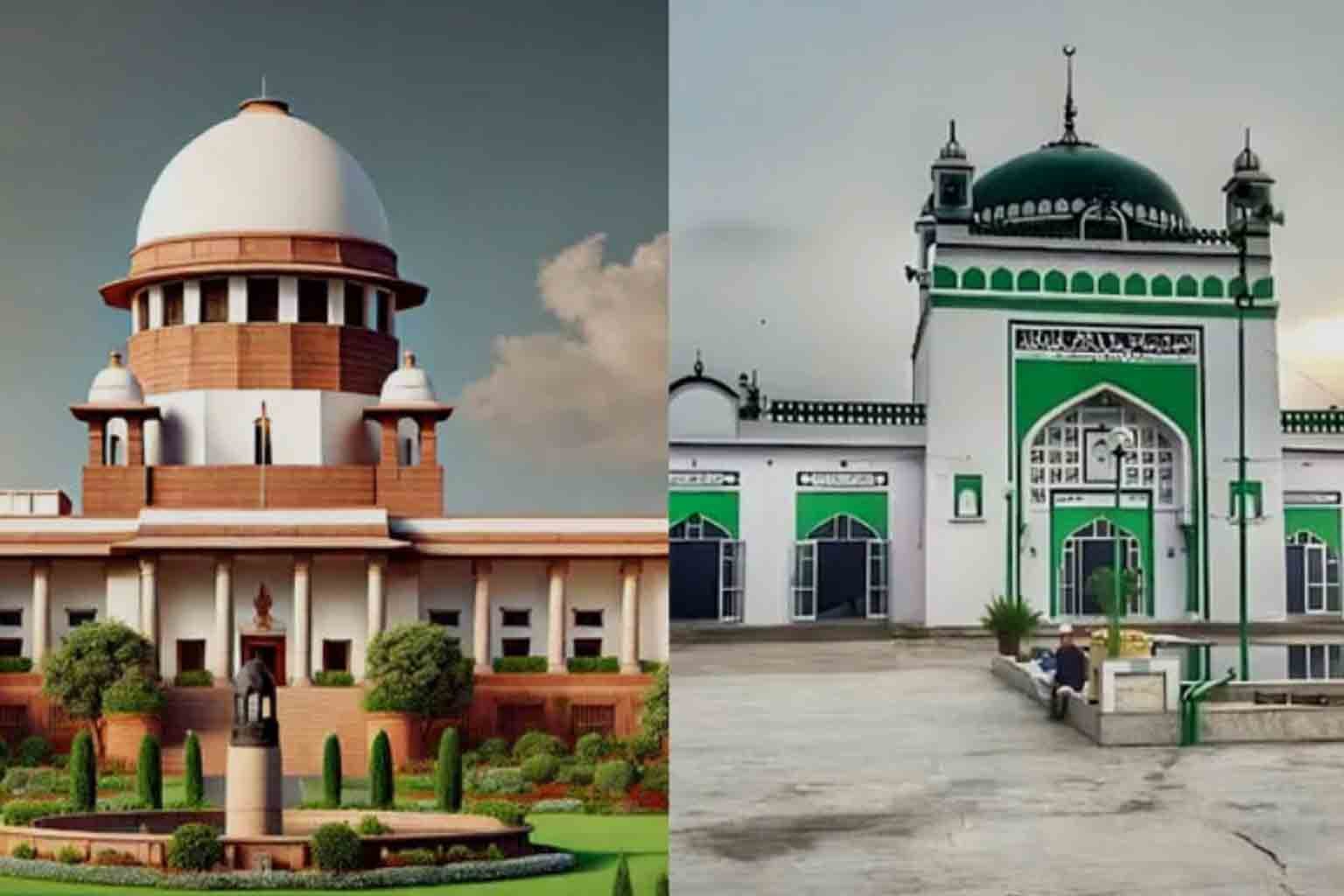
In a rapid sequence of administrative changes, Aditya Singh’s appointment as chief judicial magistrate (CJM) of Sambhal, Uttar Pradesh, lasted less than 48 hours before he was reassigned back as a civil judge (senior division) in the district.
Singh is the same judge who in 2024 ordered an advocate commissioner’s survey of Sambhal’s Jama Masjid, a move that later triggered communal violence in the area. His brief elevation came after the Allahabad High Court transferred Judge Vibhanshu Sudheer from Sambhal to Sultanpur on January 20, appointing Singh as his replacement. However, in another reshuffle just two days later on January 22, Singh was reverted to his earlier post, and Judge Deepak Kumar Jaiswal, formerly CJM of Kaushambi, was appointed the new CJM of Sambhal.
Observers note that the quick reversal appears linked to widespread criticism surrounding the earlier transfer of Judge Sudheer. During his short three month tenure as CJM of Sambhal, Sudheer had ordered FIRs against police officers on two separate occasions. One of these orders, which attracted significant attention, involved the registration of an FIR against ASP Anuj Chaudhary, SHO Anuj Tomar, and 15 – 20 other police personnel. The FIR stemmed from a plea by the father of a victim who was shot during the unrest that followed the advocate commissioner’s survey of the Jama Masjid. The Sambhal police, however, had refused to register the FIRs and indicated their intent to challenge the orders in a competent court.
The reshuffle and rapid reassignments of judges in Sambhal have sparked debates over administrative discretion and judicial independence, particularly in cases that involve sensitive communal incidents. Analysts say the developments highlight the challenges faced by the judiciary in balancing law enforcement accountability with political and public pressures.