

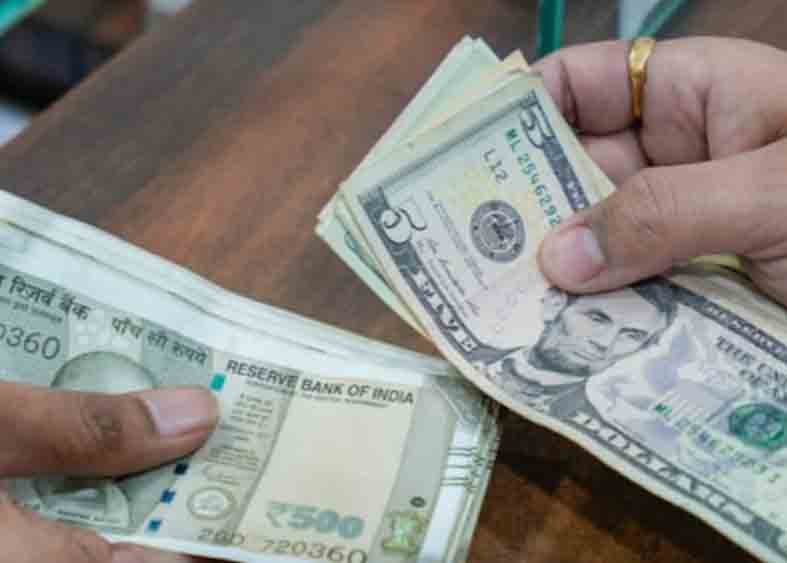
The Indian rupee is under fresh pressure and is edging toward a new record low, with market participants bracing for it to slip past the ₹94 mark against the US dollar. The weakening trend comes amid growing concerns that the ongoing conflict involving Iran could drag on longer than expected, keeping global markets on edge.
Currency traders say the rupee has been weighed down by a combination of rising crude oil prices, a stronger US dollar, and persistent uncertainty in global financial markets. Since India imports a significant portion of its crude oil needs, any sustained increase in oil prices tends to widen the country’s trade deficit and put pressure on the domestic currency.
The geopolitical situation in the Middle East has added to volatility, with fears that prolonged tensions could disrupt energy supplies and push oil prices even higher. This has led to cautious sentiment among investors, with many pulling funds out of emerging markets like India and moving toward safer assets.
Foreign institutional investors have also continued to offload Indian equities and bonds, further weakening the rupee. Analysts note that such outflows reduce dollar inflows into the country, contributing to depreciation of the local currency.
Meanwhile, the Reserve Bank of India is closely monitoring the situation. While the central bank has tools to manage excessive volatility such as intervening in the forex market experts believe it may allow gradual depreciation to avoid depleting foreign exchange reserves too quickly.
Despite the pressure, economists maintain that India’s macroeconomic fundamentals remain relatively stable. However, they caution that if global tensions persist and oil prices remain elevated, the rupee could stay under stress in the near term.
For businesses and consumers, a weaker rupee could translate into higher import costs, especially for fuel and essential commodities, potentially adding to inflationary pressures in the economy.