

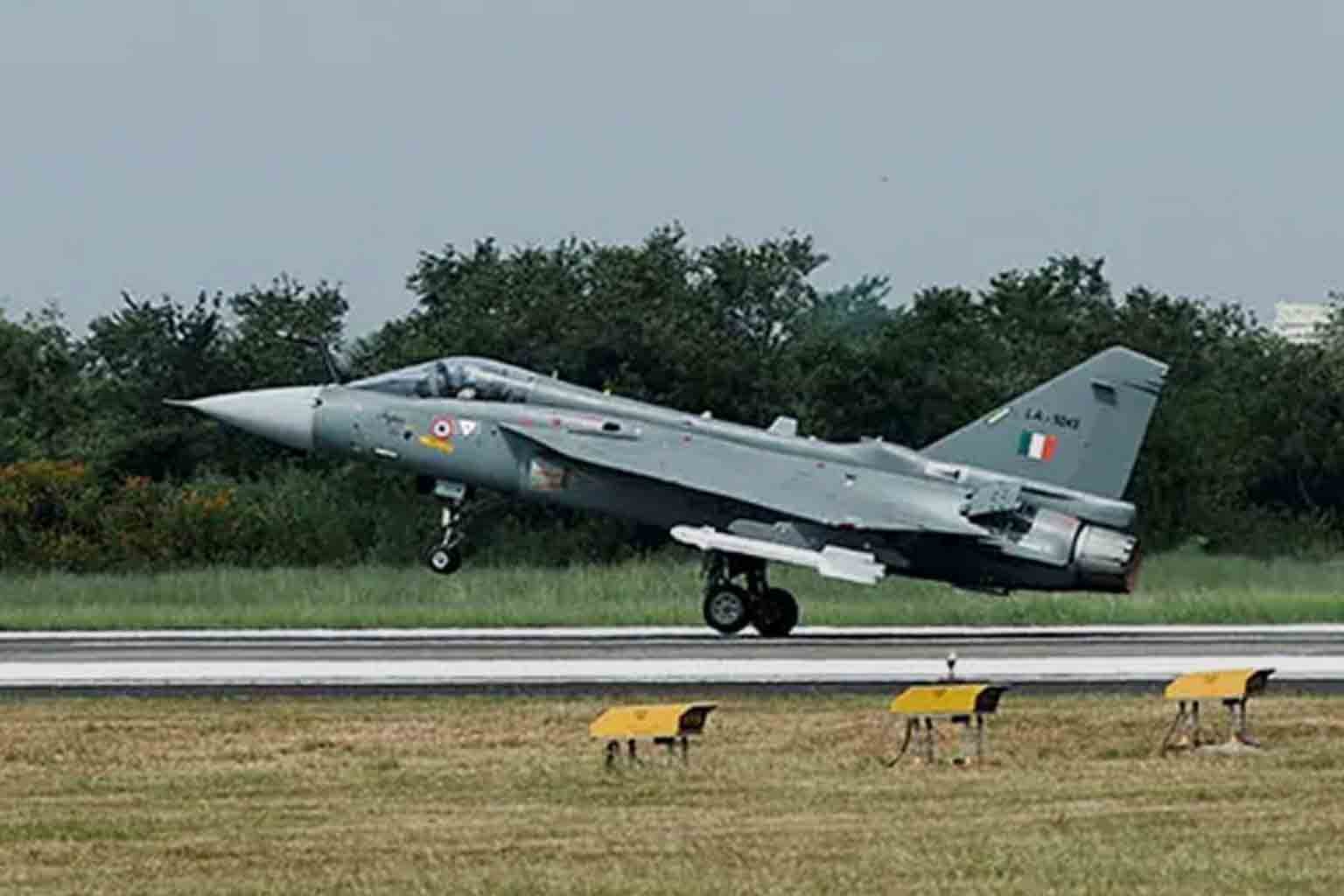
India’s indigenous light combat aircraft, Tejas, has long been projected as a symbol of self reliance in defence manufacturing. However, its current operational status has become a subject of quiet concern, with limited public clarity on availability, deployment and long term readiness.
Developed by Hindustan Aeronautics Limited for the Indian Air Force, the Tejas programme was envisioned to replace ageing fighter fleets and reduce dependence on foreign aircraft. While the aircraft has been formally inducted and praised for its design and agility, questions remain about production pace, maintenance challenges and squadron strength.
Defence analysts note that long gaps in official communication have added to uncertainty surrounding the programme. Reports of delayed deliveries, spare parts shortages, and engine related issues have raised concerns over how many aircraft are actually mission ready at any given time. Despite periodic assurances, there is little transparent data available on fleet performance or operational availability.
The absence of regular updates has also affected public confidence in the project. Experts argue that clearer communication would help counter speculation and reinforce trust in India’s defence manufacturing ambitions. They suggest that openness about challenges would not weaken the programme but rather demonstrate maturity and technical accountability.
At the same time, officials continue to highlight improvements in newer variants, including upgraded avionics, weapons integration, and radar systems. Future versions are expected to address some of the shortcomings seen in earlier models, particularly in terms of range, payload and reliability.
The Tejas programme remains a cornerstone of India’s push for indigenous defence technology. However, analysts say its long-term success will depend not only on technological upgrades but also on transparent reporting, faster production timelines and consistent operational performance.
As the country seeks to strengthen its air power in a complex regional security environment, the story of Tejas need not remain wrapped in ambiguity. Greater clarity, experts argue, would help ensure that the aircraft’s journey from concept to combat capability is understood as progress rather than mystery.