
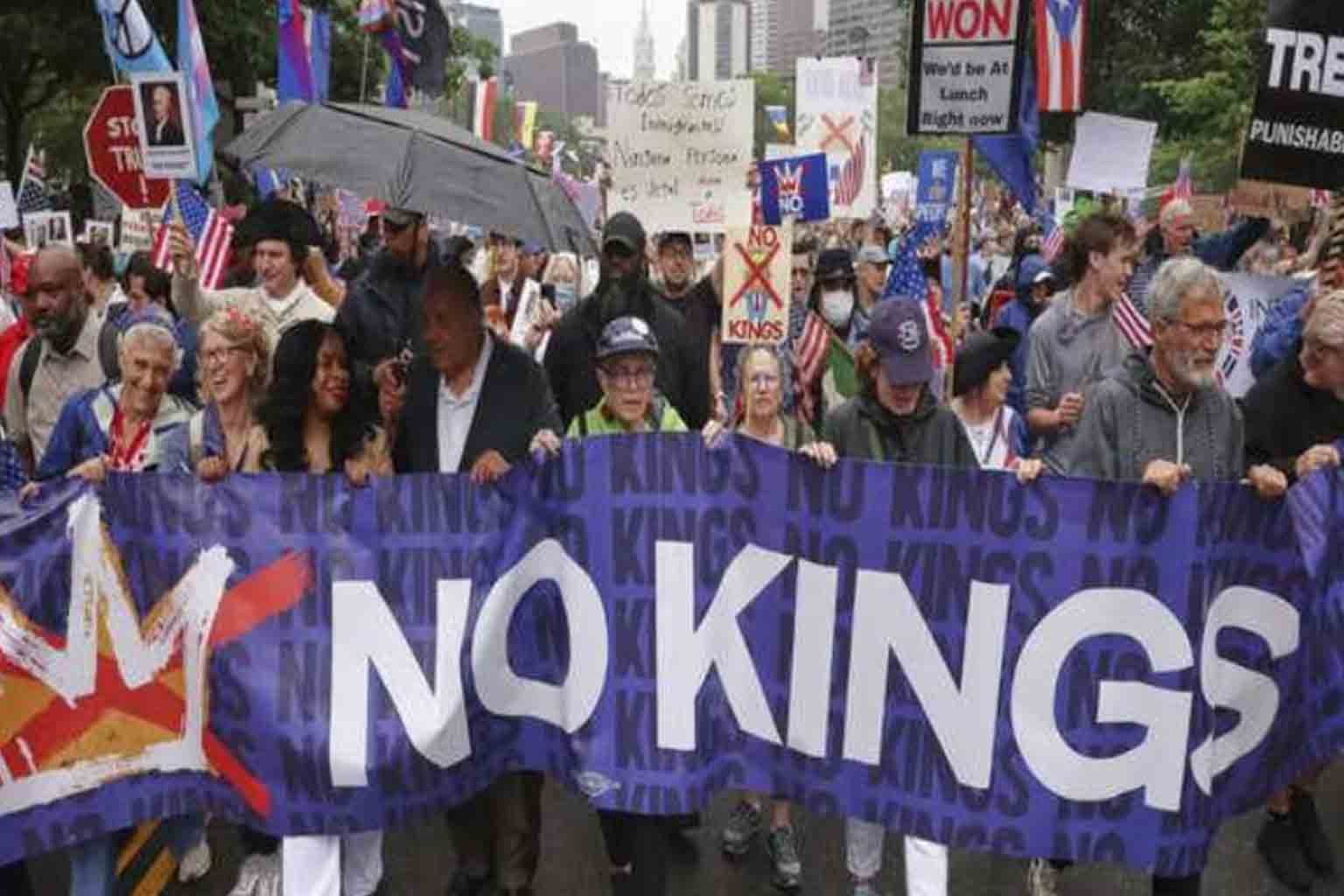
As protests continue across parts of the United States, with demonstrators raising slogans such as “No Kings” and calling for political accountability, a broader debate is emerging: how much power do citizens truly have to influence leadership between elections?
Thousands of people have taken to the streets in recent weeks, expressing frustration over government decisions, leadership style and concerns about the direction of the country. Protesters argue that their voices must be heard, warning that unchecked political authority could damage institutions, national dignity and public trust.
However, political analysts note that while public demonstrations are a vital part of democratic expression, they do not directly translate into immediate changes in leadership. The U.S. system is structured around constitutional processes, meaning that removing a sitting president requires formal mechanisms such as elections, impeachment, or resignation.
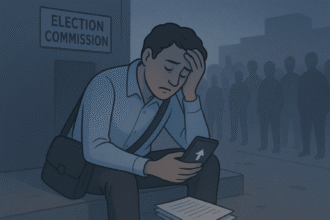
This has led to growing frustration among some citizens, who question whether their voices carry enough weight outside of voting cycles. “If people are on the streets in large numbers, why doesn’t it lead to immediate change?” is a sentiment increasingly heard in protest spaces and on social media.
Experts say protests still play a significant role even if indirectly. Large scale public movements can shape national conversations, influence voter sentiment and pressure lawmakers to act. Historically, protests in the United States have led to major policy shifts, including civil rights reforms and changes in foreign policy, though such changes often unfolded over time rather than instantly.
Critics of the current system argue that waiting for electoral cycles may not be sufficient in moments of crisis, especially if citizens feel that governance is causing harm. Supporters of the system, on the other hand, emphasize that institutional checks and balances are designed to prevent sudden instability and ensure continuity.
The tension between public demand for immediate accountability and the slower pace of institutional processes highlights a fundamental challenge in modern democracies: balancing stability with responsiveness.
As protests continue, the central question remains unresolved not whether citizens have a voice, but how quickly and effectively that voice can bring about meaningful change.