
The ongoing conflict involving Iran has widened in scope, directly or indirectly impacting more than 15 countries across the Middle East and beyond. What began as targeted military actions has now evolved into a broader regional crisis, raising concerns about further escalation and global instability.
At the center of the conflict are Iran, Israel and the United States. Israel has been carrying out strikes, while Iran has responded with missile and drone attacks. US military bases in the region have also come under threat, increasing the risk of a wider confrontation.
The effects of the conflict have spread to neighboring countries. Iraq and Syria have witnessed attacks on military installations and increased militia activity. In Lebanon, tensions along the southern border have intensified, while Yemen has seen involvement from armed groups aligned with regional powers.
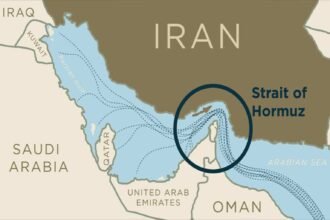
Several Gulf nations are now on high alert. Saudi Arabia, United Arab Emirates, Qatar, Bahrain, Kuwait, Jordan and Oman have heightened security measures, strengthened air defenses and increased monitoring of their airspace and borders.
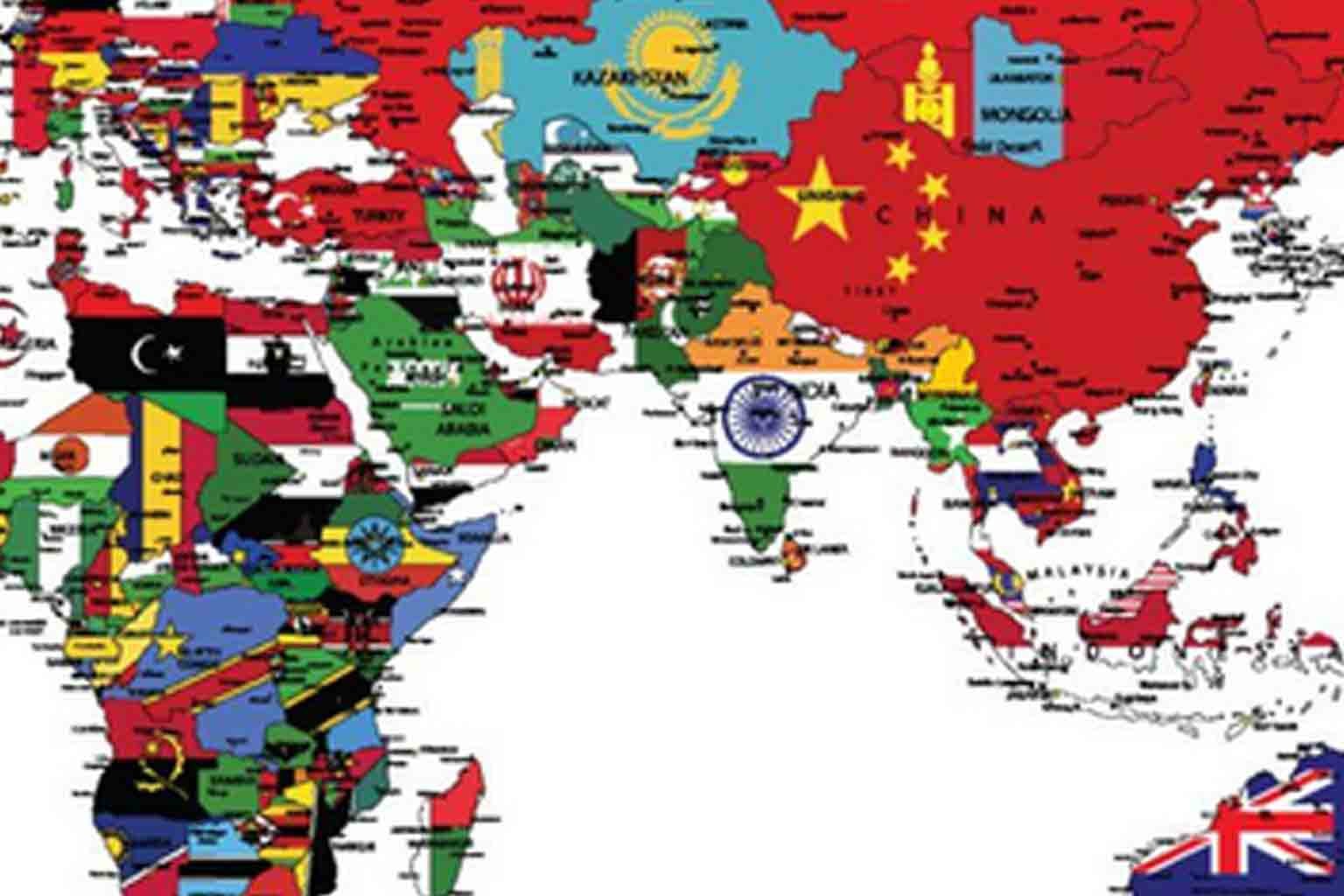
Beyond the region, the crisis is having global repercussions. Countries such as India, China and Japan are closely watching developments due to their dependence on Middle Eastern oil supplies. Meanwhile, European powers including the United Kingdom, France, and Germany are actively engaged in diplomatic efforts to prevent further escalation.
Analysts warn that the involvement of multiple countries whether through direct military engagement, proxy forces, or strategic alliances has made the situation increasingly complex. The risk of miscalculation or unintended escalation remains high, especially with key global powers monitoring or participating in the conflict.
The situation has also disrupted global energy markets and trade routes, contributing to rising oil prices and economic uncertainty worldwide. Governments across the globe are issuing travel advisories and reviewing contingency plans in response to the evolving crisis.
As tensions continue to rise, international leaders are calling for restraint and renewed diplomatic efforts. However, with multiple fronts active and alliances at play, the path toward de-escalation remains uncertain.