
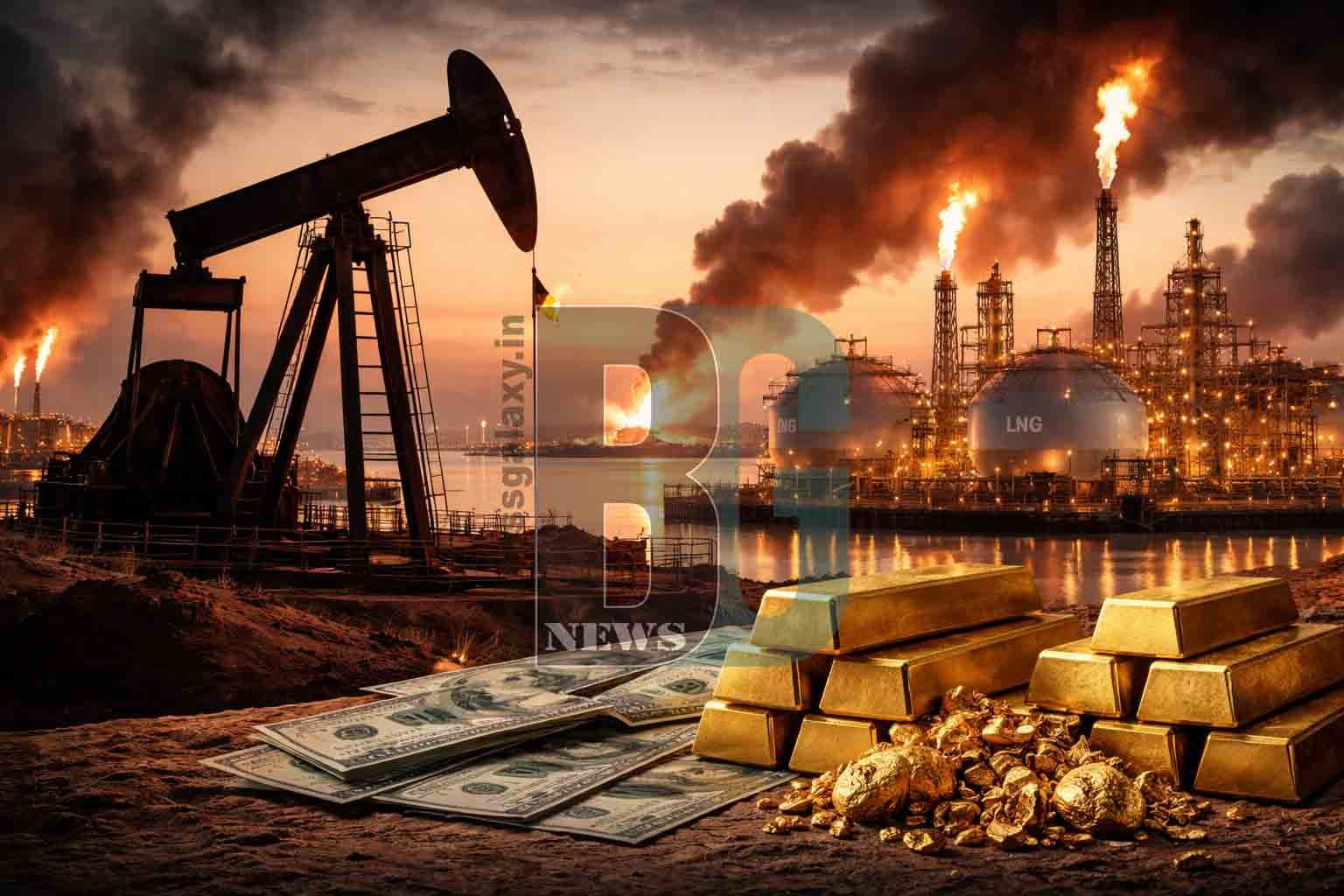
Global energy and precious metal markets surged after military strikes by the United States and Israel on Iran triggered a fresh round of retaliation, heightening fears of supply disruptions across the Gulf.
Iran’s latest response targeted facilities operated by Qatar Energy in Ras Laffan Industrial City and Mesaieed Industrial City, two of the most important hubs for liquefied natural gas (LNG) production in the world. Qatari authorities said drones struck infrastructure linked to power and energy operations. No casualties were reported, but operations were disrupted as a precaution.
Following the attacks, Qatar Energy announced temporary suspensions at some LNG and associated output facilities due to security concerns. The move immediately alarmed markets, given Qatar’s role as one of the largest LNG exporters globally.
Energy Markets React
Oil prices climbed sharply as traders priced in the risk of broader regional disruption. Brent crude gained several dollars a barrel in early trading, while U.S. crude benchmarks also rose strongly. Analysts warned that any prolonged threat to Gulf production or export routes could push prices significantly higher.
Natural gas markets were hit even harder. European gas futures surged as fears grew over reduced LNG supplies from Qatar, a key supplier to both Europe and Asia. Utilities and industrial buyers scrambled to secure alternative cargoes, driving volatility across futures markets.
Gold Rallies as Safe Haven
Gold prices also jumped as investors sought shelter from geopolitical uncertainty. The precious metal gained more than 2% in a single session, reflecting increased demand for safe haven assets amid rising risks of wider conflict.
Global equity markets reacted cautiously, with major indices in Asia and Europe slipping as higher energy costs raised concerns about inflation and slower economic growth. The U.S. dollar strengthened slightly as investors moved away from riskier assets.
Strategic Risks
Market analysts highlighted the danger of escalation around the Strait of Hormuz, a critical shipping route through which a large share of the world’s oil and LNG exports pass. Any disruption there could have immediate and severe consequences for global energy supply.
Global Impact
Higher oil and gas prices are expected to feed into inflation worldwide, raising transportation, electricity and heating costs for consumers. Governments may face renewed pressure to cushion households and industries from price shocks, while central banks could find it harder to ease interest rates.
With hostilities continuing and key energy infrastructure now directly affected, markets are likely to remain volatile. Traders and policymakers alike are bracing for further shocks as the situation in the Middle East evolves.