

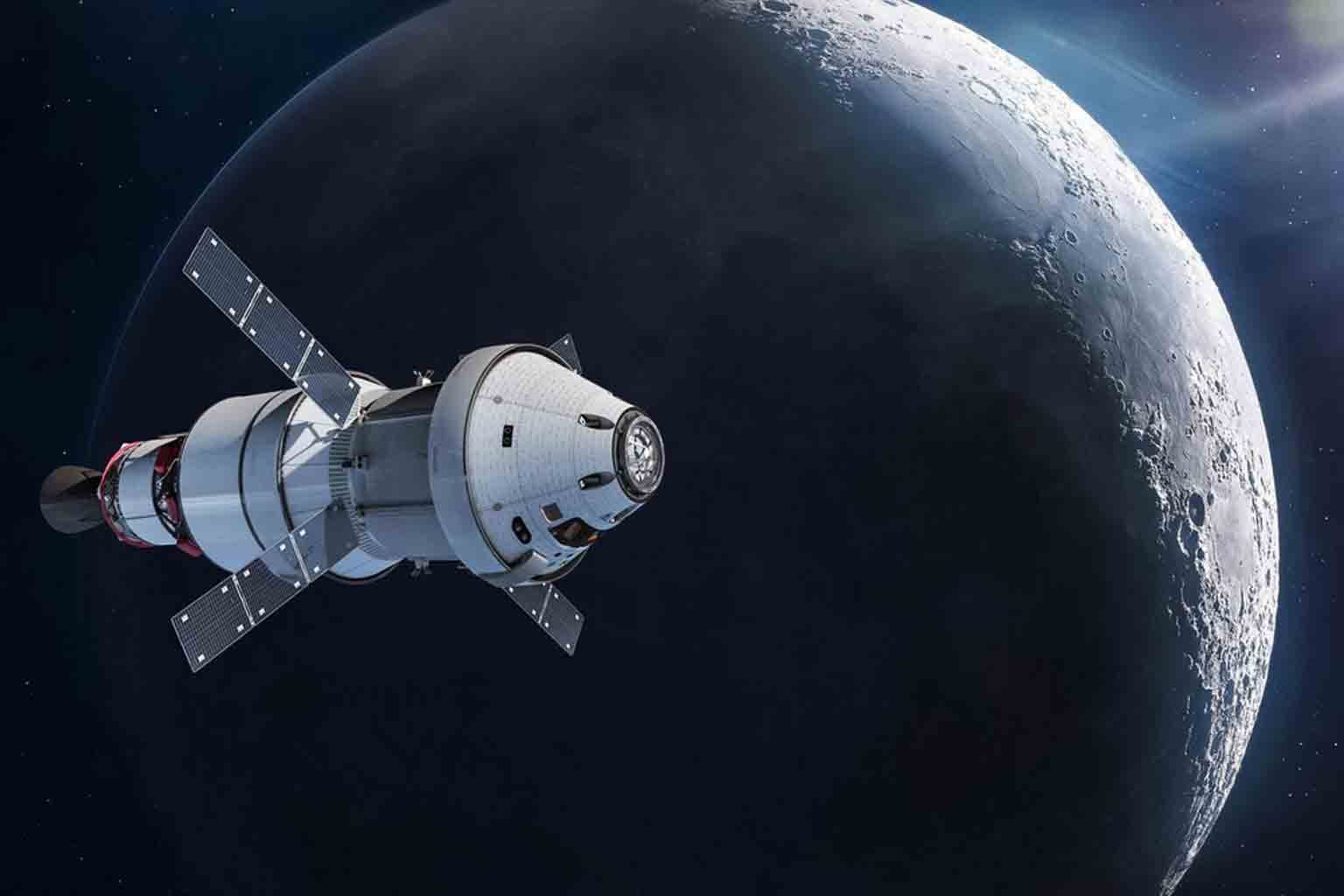
NASA is preparing for Artemis II, the first crewed mission of its new lunar exploration program aimed at returning humans to the Moon.
The mission will send four astronauts on a journey around the Moon and back to Earth, marking the first time humans travel beyond low Earth orbit since the Apollo missions more than five decades ago. Unlike past lunar missions, Artemis II will not land on the Moon but will test systems needed for future exploration.
The Crew
Artemis II will carry four astronauts:
- Reid Wiseman (Commander)
- Victor Glover (Pilot)
- Christina Koch (Mission Specialist)
- Jeremy Hansen (Mission Specialist, Canada)
The mission represents a milestone for diversity in spaceflight, including the first woman and the first non-American astronaut to travel on a deep space lunar mission.
Mission Objectives
Artemis II is designed as a critical test flight. Key goals include:
- Testing life-support systems for astronauts in deep space
- Evaluating the Orion spacecraft’s performance
- Demonstrating navigation and communication far from Earth
- Preparing for future missions that will land humans on the Moon
The mission is expected to last around 10 days, following a trajectory that loops around the Moon before returning safely to Earth.
Launch Timeline
NASA is targeting an April 2026 launch for Artemis II from the Kennedy Space Center in Florida. The mission will use the powerful Space Launch System (SLS) rocket along with the Orion spacecraft.
The timeline may adjust depending on technical readiness and weather conditions, but preparations are progressing steadily.
Why It Matters
Artemis II is a key step in NASA’s broader Artemis program, which aims to establish a long-term human presence on the Moon and eventually pave the way for missions to Mars.
The mission will help scientists and engineers understand how humans can live and work in deep space, opening the door to a new era of exploration.
Conclusion
As NASA moves closer to launching Artemis II, the mission stands as a major milestone in space history. By sending astronauts around the Moon once again, it signals the return of human exploration beyond Earth orbit and sets the stage for future lunar landings.