

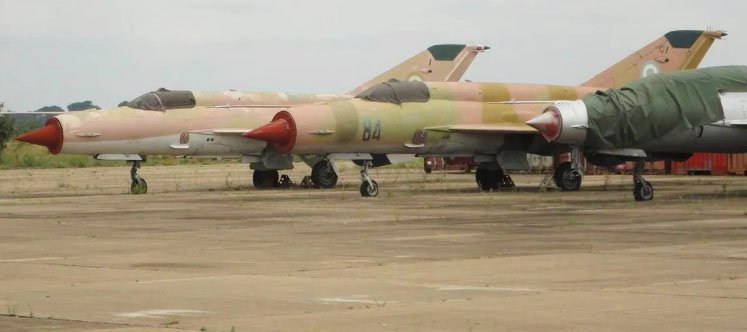
After over six decades in service, the Indian Air Force (IAF) will retire its iconic MiG-21 fighter jets on September 26, 2025. The retirement marks the culmination of a long chapter in India’s air combat history, as the aircraft that once formed the backbone of the IAF is officially withdrawn from service.
Legacy & Highlights
- The MiG-21, first inducted in the early 1960s, has served through multiple conflicts including the 1965 and 1971 wars, the 1999 Kargil conflict, and more recently engagements around Balakot.
- Over its lifetime, the IAF used various upgraded versions like the “Bison” variant to extend its operational relevance.
- The aircraft has earned famed loyalty among pilots and a place in India’s air power identity, despite safety concerns and aging systems over time.
The Final Farewell
- The last operational squadron flying MiG-21s is No. 23 Squadron, nicknamed “Panthers.” These jets will be given a ceremonial flypast and decommissioning at the Chandigarh Air Force Station.
- The decommissioning ceremony will include a water cannon salute, formation flyovers, and attendance by top leaders including the Defence Minister, IAF Chief, and former chiefs.
- There will also be aerial displays involving other aircraft such as the Tejas and aerobatic teams to mark the transition.
Implications & What Comes Next
- The retirement signals the end of reliance on the MiG-21 platform, which had become harder to maintain due to age, parts availability, and safety concerns.
- Replacement efforts are focused on indigenous platforms like the Tejas Light Combat Aircraft (LCA) and upgraded future aircraft.
- The IAF also seeks to modernize its fleet, with improved radar, avionics, weapons, and higher operational safety standards as newer jets take the mantle.