
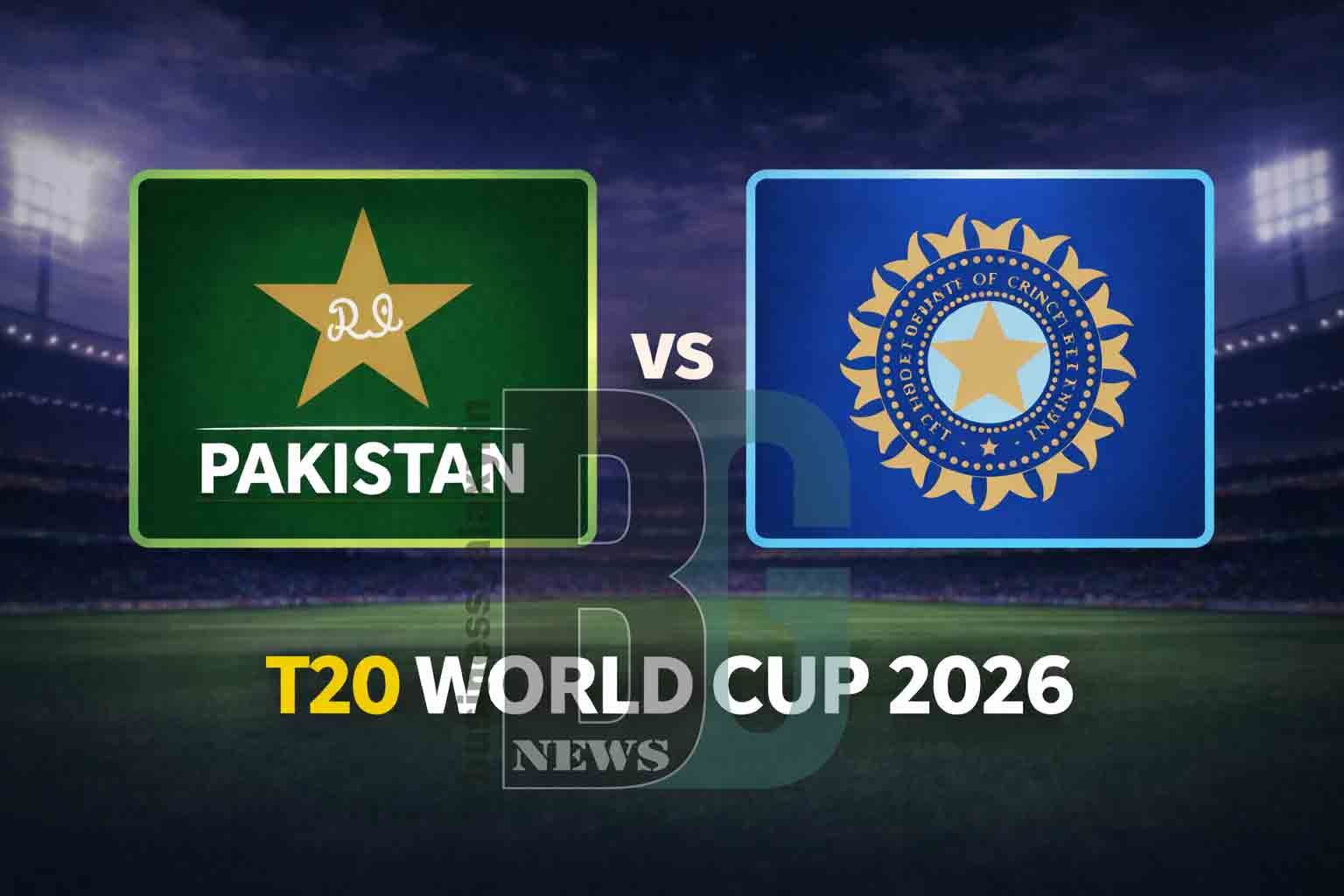
New Delhi: The cricketing world has reacted strongly after Pakistan announced it would not play India in the upcoming ICC Men’s T20 World Cup, citing political and security concerns. The decision has triggered widespread debate among former players, analysts and fans, with several cricketing greats calling for the sport to remain separate from politics.
Former Indian captain Sunil Gavaskar said that bilateral tensions should not affect global tournaments and stressed that international competitions are governed by the ICC, not individual boards. He added that fans across the world look forward to India – Pakistan matches and that such games play a major role in the growth and popularity of cricket.
Kapil Dev, India’s 1983 World Cup winning captain, expressed disappointment over the decision and said that cricket should act as a bridge between nations rather than a casualty of political disputes. He maintained that sporting engagement can help reduce hostility and build people to people connections.
From Pakistan, former captain Wasim Akram described the boycott as “unfortunate for the game,” noting that India – Pakistan matches are among the most watched fixtures in world cricket. He said the rivalry is intense but respectful and removing it from a global event would hurt tournament viewership and sponsorship.
Inzamam-ul-Haq, another former Pakistan skipper, stated that while national security concerns must be respected, the ICC should intervene to ensure that scheduled matches are played as planned. He emphasised that players should not be made to suffer for decisions taken outside the sporting arena.
Former Australia captain Ricky Ponting also weighed in, saying that cricketing rivalries are best settled on the field. He added that global tournaments thrive on marquee clashes and warned that any boycott could set a worrying precedent for future events.
England great Michael Vaughan said that the ICC must uphold its authority and ensure that politics does not dictate match schedules. He pointed out that cricket has survived major political tensions in the past and should continue to do so through dialogue and diplomacy.
The ICC has so far maintained that the tournament schedule remains unchanged and that it is in talks with both cricket boards to resolve the issue. Officials said they hope an amicable solution will be reached in the interest of the game and its supporters.
India and Pakistan have not played a bilateral series since 2012-13, and their meetings have been limited to ICC and Asia Cup tournaments. Any disruption to these matches is considered a major setback for broadcasters and fans alike.
As the controversy continues, cricket experts believe that the final decision will not only impact this World Cup but also shape how political disputes influence international sport in the future.