

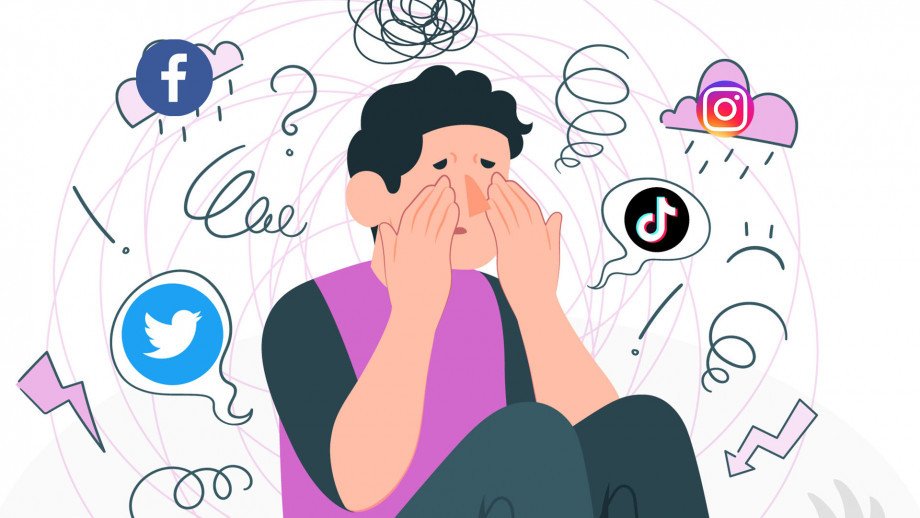
In today’s digital age, children are spending more time on smartphones, tablets, and social media platforms than ever before. While technology has become an essential part of education and entertainment, experts warn that excessive screen time is quietly damaging children’s mental, emotional, and physical health.
Rising Screen Time
A recent study shows that children aged 8 – 16 are spending an average of 6 – 8 hours daily on gadgets far beyond the recommended limit of 1 – 2 hours. Social media platforms like Instagram, YouTube, and TikTok are particularly addictive, keeping kids hooked with endless scrolling, notifications, and short form videos.
Mental Health and Behavior Impact
Psychologists say that overexposure to screens leads to attention problems, anxiety, mood swings, and reduced emotional control. Children become more impatient, have trouble focusing in class, and often compare themselves to unrealistic online images, which can harm self esteem.
Physical and Academic Consequences
Long screen hours also cause eye strain, headaches, poor posture, and disrupted sleep. Academically, students are struggling to concentrate, with many preferring instant entertainment over reading or outdoor activities.
Social Skills and Family Disconnect
Experts warn that the more time children spend online, the less time they spend interacting face to face. This reduces empathy, weakens communication skills, and increases isolation. Families too are reporting less meaningful conversations at home.
What Parents Can Do
- Set daily screen time limits and stick to them.
- Encourage offline activities like reading, sports, and hobbies.
- Use parental control tools to block harmful content.
- Create “no phone zones” during meals and before bedtime.
- Lead by example children imitate adults digital habits.
The Bottom Line
While technology is here to stay, balance is key. Children need guidance to use it wisely and not let it control their lives. Parents, teachers, and communities must work together to ensure that the digital revolution benefits, not harms, the next generation.