

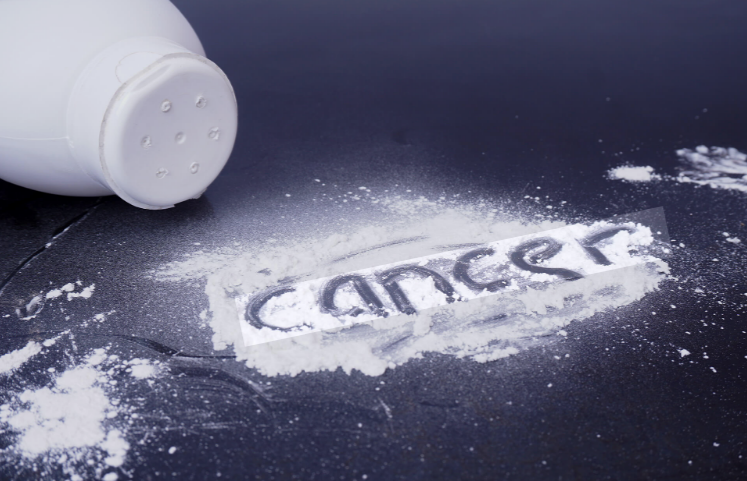
London, UK: In a growing legal battle, pharmaceutical giant Johnson & Johnson is facing an alarming number of lawsuits in the United Kingdom, with 60,000 to 67,000 plaintiffs accusing the company of selling talc-based baby powder products that allegedly caused cancer. The primary allegations center around claims that the talc used in their products was contaminated with Asbestos, a known carcinogen, leading to deadly cancers, particularly Ovarian cancer and Mesothelioma (a rare form of cancer often linked to asbestos exposure).
The lawsuits have garnered widespread attention, with plaintiffs alleging that prolonged use of Johnson & Johnson’s talc-based powders, especially in the genital area, contributed to their cancer diagnoses. The plaintiffs claim that the company failed to adequately warn consumers about the risks associated with talc, despite mounting evidence linking talc to cancer.
Allegations of Asbestos Contamination
Central to the legal claims is the allegation that talc a mineral often used in cosmetic and personal care products was contaminated with traces of Asbestos. Asbestos is a naturally occurring substance that has been proven to cause various forms of cancer, including Lung cancer, Mesothelioma and Ovarian cancer. Plaintiffs argue that Johnson & Johnson’s failure to remove asbestos from their talc-based powders or provide adequate warnings contributed to their illnesses.
Over the years, the company has faced growing scrutiny regarding the safety of its talc products. In 2018, an Investigation revealed that traces of asbestos were found in some batches of Johnson & Johnson’s talc. Although Johnson & Johnson has continuously maintained that its products are safe, the ongoing legal actions continue to fuel public concern about the potential health risks of talc-based powders.
Johnson & Johnson’s Response
In response to the numerous lawsuits, Johnson & Johnson has firmly rejected the claims, maintaining that its talc-based baby powder is safe and does not cause cancer. The company argues that multiple scientific studies and tests have concluded that their products do not contain asbestos and are free from any cancer causing substances.
However, the company’s position has not stopped the growing tide of litigation. In 2020, in response to both legal and consumer pressures, Johnson & Johnson announced that it would stop selling its talc-based baby powder in the United States and Canada, opting instead to focus on cornstarch based alternatives. The move was seen as a way to address consumer concerns, though the company maintained that the decision was not an admission of guilt regarding cancer risk.
The Los Angeles Lawsuit Verdict
The legal troubles for Johnson & Johnson recently escalated when a Los Angeles jury ordered the company to pay a staggering $966 million in damages to a woman who claimed that her use of the talc-based baby powder caused her to develop ovarian cancer. This ruling added significant weight to the ongoing legal challenges and sparked further public debate over the safety of talc in personal care products.
The case in Los Angeles was just one of many ongoing lawsuits, with plaintiffs in the UK and other parts of the world continuing to seek justice for the alleged health risks associated with Johnson & Johnson’s talc products.
Health Awareness and Consumer Safety
The controversy surrounding talc-based products has raised important health awareness concerns, especially for consumers who have used these products over an extended period of time. Health professionals have long warned about the potential risks of asbestos exposure, and the growing body of legal evidence linking talc to cancer has prompted calls for more stringent regulation and clearer consumer warnings.
Consumers are encouraged to carefully review the ingredients in personal care products and to be aware of any Possible health risks associated with their use. People who have used talc-based baby powder or similar products for years and are experiencing symptoms of ovarian cancer or other related health conditions should consult with a healthcare provider for guidance and potential testing.
As the legal battle continues, the focus remains on the safety and regulation of personal care products, as well as the responsibility of corporations to ensure that their products do not pose harm to consumers.
Looking Ahead
The future of Johnson & Johnson’s talc products remains uncertain as more lawsuits are expected to surface in the coming months. The company faces mounting pressure from plaintiffs and health advocates who argue that the public deserves greater transparency and accountability from manufacturers. With the legal outcome still pending, many are left questioning the safety of talc-based products and the impact they have on public health.