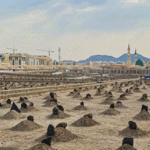

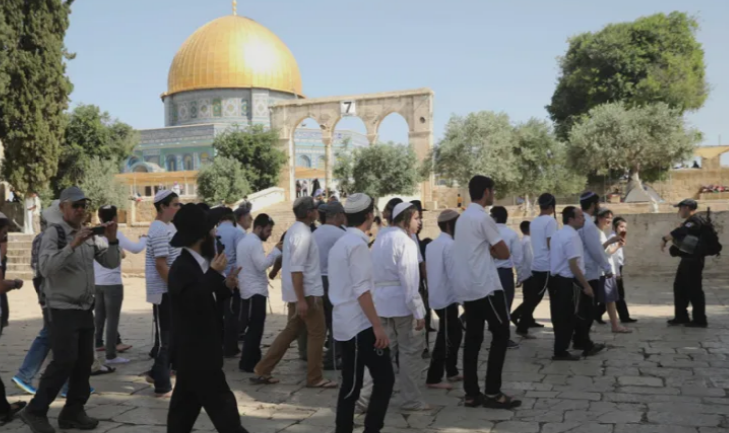
Middle East Region: A troubling wave of violence has surged across multiple frontlines as Israel reportedly continues military strikes in Gaza, Lebanon, Yemen, and Qatar, even as ceasefire claims are being made. At the same time, around 250 Israeli settlers stormed the Al-Aqsa Mosque compound in Jerusalem, further inflaming regional tensions.
Multiple Fronts, One Conflict
- Gaza: Israeli forces have carried out renewed airstrikes in Gaza, with reports of civilian casualties. These operations come despite ongoing diplomatic rhetoric around a supposed truce.
- Lebanon, Yemen & Qatar: In an alarming expansion, Israeli strikes are being reported in Lebanon, Yemen and Qatar marking a sharp escalation beyond the immediate Israel-Gaza conflict. Eyewitnesses and local media describe bombardments that are claiming innocent lives, even in areas not traditionally seen as active battle zones.
Humanitarian groups warn that these cross border strikes could destabilize the wider region and are calling for a genuine, lasting ceasefire.
Al-Aqsa Stormed by Settlers
Parallel to the military escalation, approximately 250 Israeli settlers entered the Al-Aqsa Mosque compound in a highly provocative move. The site, one of Islam’s holiest places, has long been a flashpoint for tensions between Palestinians and Israeli nationalists.
The incursion has been widely condemned by Palestinian leaders and Muslim communities worldwide. Critics argue that such actions not only violate the status quo but also severely undermine any claims of a genuine ceasefire, by making clear that political and religious provocations continue unabated.
Accusations of Hypocrisy
Observers and regional leaders are accusing Israel of a double game: Publicly touting a ceasefire while “Secretly” continuing military operations and provocations. According to these critics:
- The simultaneous use of force and diplomacy undermines trust and makes peaceful resolution more difficult.
- Civilians, frequently the most vulnerable, are bearing the brunt of the violence, especially in Gaza and border regions.
- The Al-Aqsa storming is being seen as symbolic of further territorial and religious encroachment.
International Reactions
- Arab nations have slammed Israel’s actions, calling for Urgent international intervention.
- Human Rights organizations are demanding investigations into alleged war crimes, especially related to indiscriminate bombing in civilian areas.
- Muslim majority countries are renewing their calls for protection of Islamic holy sites and respect for Muslim worshippers rights at Al-Aqsa.
What’s Driving the Escalation?
- Geopolitical Strategy: Analysts suggest that the cross border strikes serve to project Israel’s power and dissuade regional adversaries, not merely as tactical responses.
- Religious Nationalism: The Al-Aqsa incident is being interpreted by some experts as part of a political religious trajectory that seeks to assert more control over Jerusalem’s holy places.
- Diplomatic Leverage: By mixing military pressure with limited diplomatic engagement, Israel may be seeking to extract concessions while keeping opponents on edge.
The Human Cost
- Civilians in Gaza continue to pay a heavy price, with casualties rising and infrastructure under constant threat.
- In Lebanon and Yemen, where the death toll is emerging, local populations are left traumatized by the sudden violence.
- For Palestinians in Jerusalem and the wider West Bank, the Al-Aqsa incursion is a deeply symbolic violation intensifying fears over further displacement and erosion of religious rights.
Outlook: Fragile Truce or Mirage?
The mounting attacks and provocations come at a moment when regional diplomatic efforts are supposedly underway to cement a truce. Yet, the day to day reality on the ground suggests otherwise: the “Ceasefire” increasingly feels like a veneer covering deeper military ambitions.
To prevent further escalation, analysts argue that the international community must:
- Demand A real, Enforceable ceasefire not just verbal commitments.
- Pressure all parties to Stop provocations, especially the storming of religious sites.
- Support Humanitarian corridors to help civilians caught in the crossfire.
Without these, the current lull in broader regional war risks being nothing more than a temporary calm before a far greater storm.