

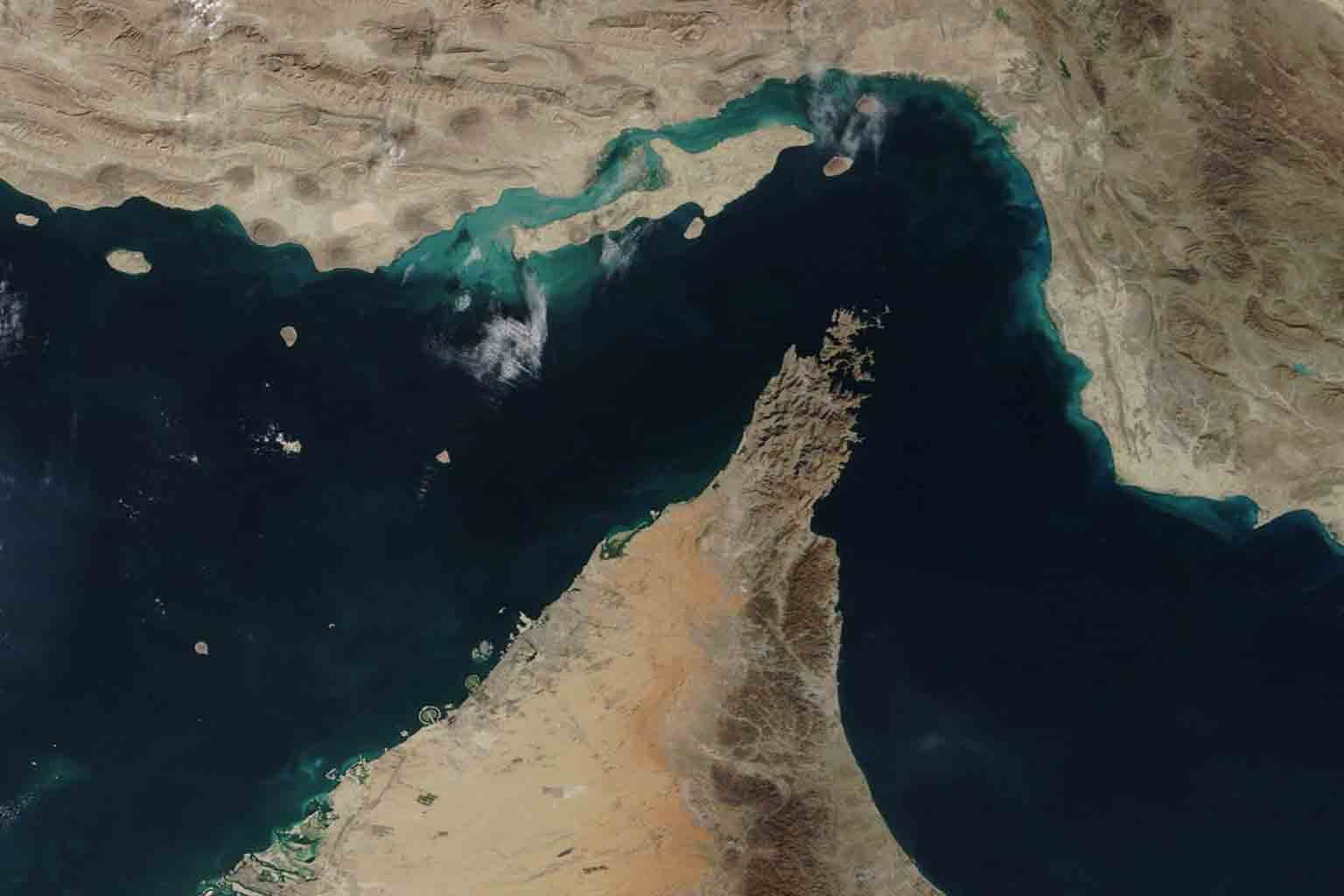
Tehran is reportedly considering a proposal that would allow a limited number of oil tankers to pass through the strategic Strait of Hormuz only if the cargo is traded using the Chinese yuan instead of the U.S. dollar.
According to analysts and regional reports, the proposal would link tanker transit access to the currency used in oil transactions. If implemented, the move could mark a significant geopolitical shift by tying access to one of the world’s most important energy routes to a non-dollar payment system.
The Strait of Hormuz is a critical global shipping corridor connecting the Persian Gulf with international markets, and a large share of the world’s oil exports passes through it. Any change in how trade through the waterway is managed could have implications for global energy markets and shipping routes.
Observers say the proposed yuan based condition would also strengthen efforts by China and Iran to expand so called “Petro yuan” trade, where oil is priced or settled in Chinese currency rather than U.S. dollars.
The global oil market has long been dominated by the dollar based “Petrodollar” system, which has been a key pillar of international energy trade for decades. Shifting even a portion of transactions to yuan could signal a challenge to that system, especially if major oil producers or buyers support the idea.
Analysts caution that the proposal is still under consideration and it remains unclear whether it will be formally implemented. However, the discussion reflects the growing intersection of energy trade, geopolitics, and currency competition in the region.
If such a policy were adopted, it could add a new layer of tension to already strained relations between Iran and the United States, while also highlighting expanding economic cooperation between Tehran and Beijing.