
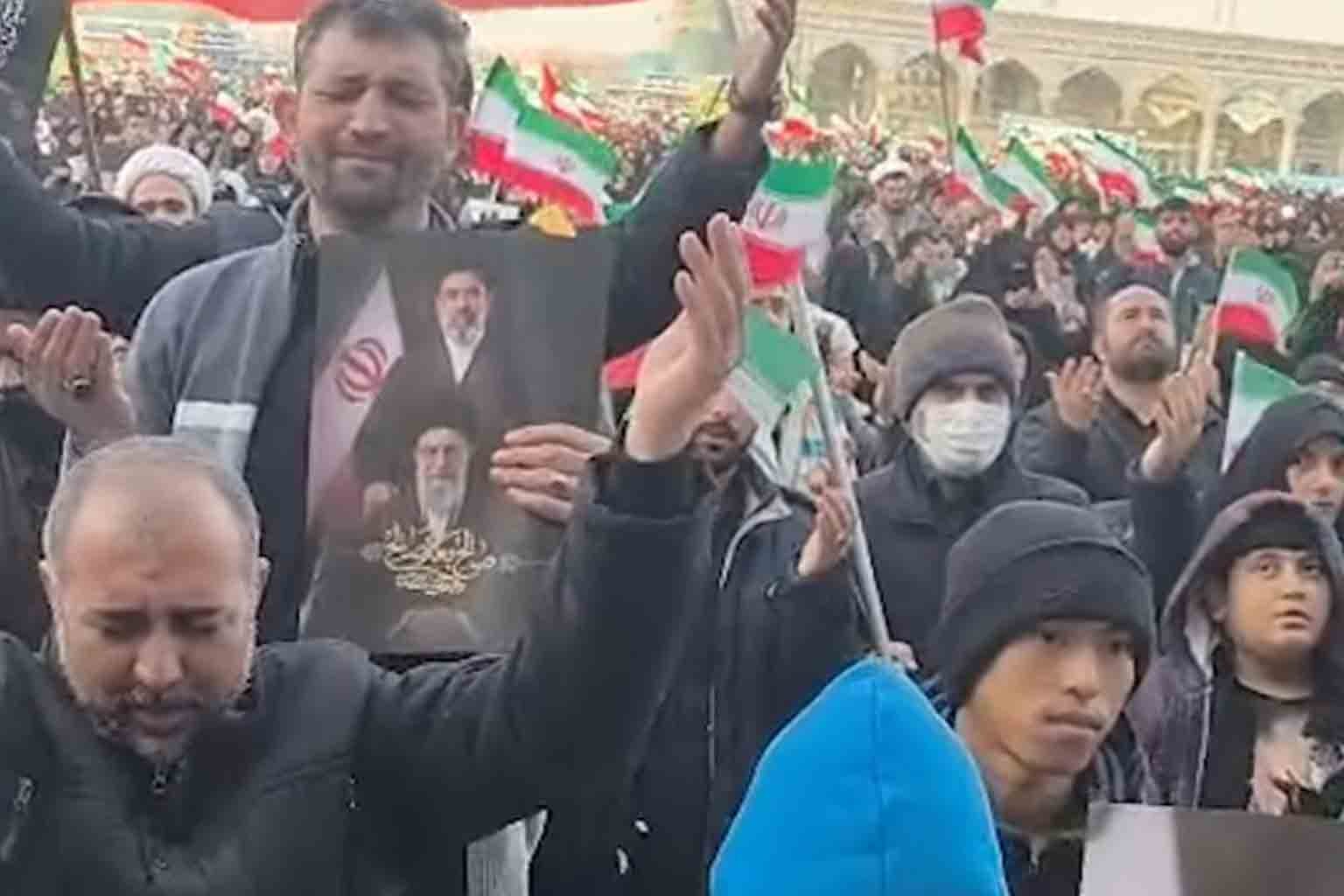
Iran has announced Ayatollah Mojtaba Khamenei as the country’s new Supreme Leader, marking a major development in the leadership of the Islamic Republic. At 47, he becomes the third person to hold the powerful position since the establishment of the Islamic Republic in 1979.
He succeeds his father, Ali Khamenei, who led the country for decades and played a central role in shaping Iran’s political and religious direction. The announcement comes at a time of heightened regional tensions and intense global attention on Iran’s leadership transition.
How the Supreme Leader is chosen
Under Iran’s constitution, the Supreme Leader is selected by the Assembly of Experts, a body of Islamic scholars elected by the public. This council reviews candidates and appoints the leader responsible for guiding the country’s political, military, and religious institutions.
The Supreme Leader holds the highest authority in Iran. The position includes command of the armed forces, oversight of key state institutions, and the power to influence major national policies.
International reactions
The leadership change has drawn international attention, particularly from the United States. Former U.S. President Donald Trump had previously warned that Washington would closely watch Iran’s leadership developments and its future policies.
Iran’s announcement of Mojtaba Khamenei’s appointment shortly after such remarks is being viewed by analysts as a signal of political continuity and a message that Tehran intends to maintain its current strategic direction.
What comes next
Observers say the coming weeks will reveal how the new Supreme Leader approaches relations with the United States, Israel, and other regional powers. Iran’s response to ongoing geopolitical tensions will likely shape the country’s domestic politics and foreign policy.
For now, the leadership transition marks a significant moment in Iran’s modern political history, as the nation enters a new phase under Mojtaba Khamenei’s guidance.