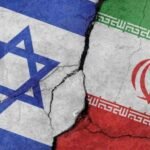

Amid rising tensions in the Middle East, Iran appears to be adopting a broader and more complex military strategy in its ongoing confrontation with Israel and the United States, introducing new methods of attack that signal a shift in how the conflict is being fought.
Recent developments indicate that Iran is increasing its use of advanced ballistic missiles, including long range and solid fuel systems capable of faster deployment and improved precision. These weapons are being aimed at strategic targets such as military bases and key infrastructure, reflecting a move toward more calculated strikes.
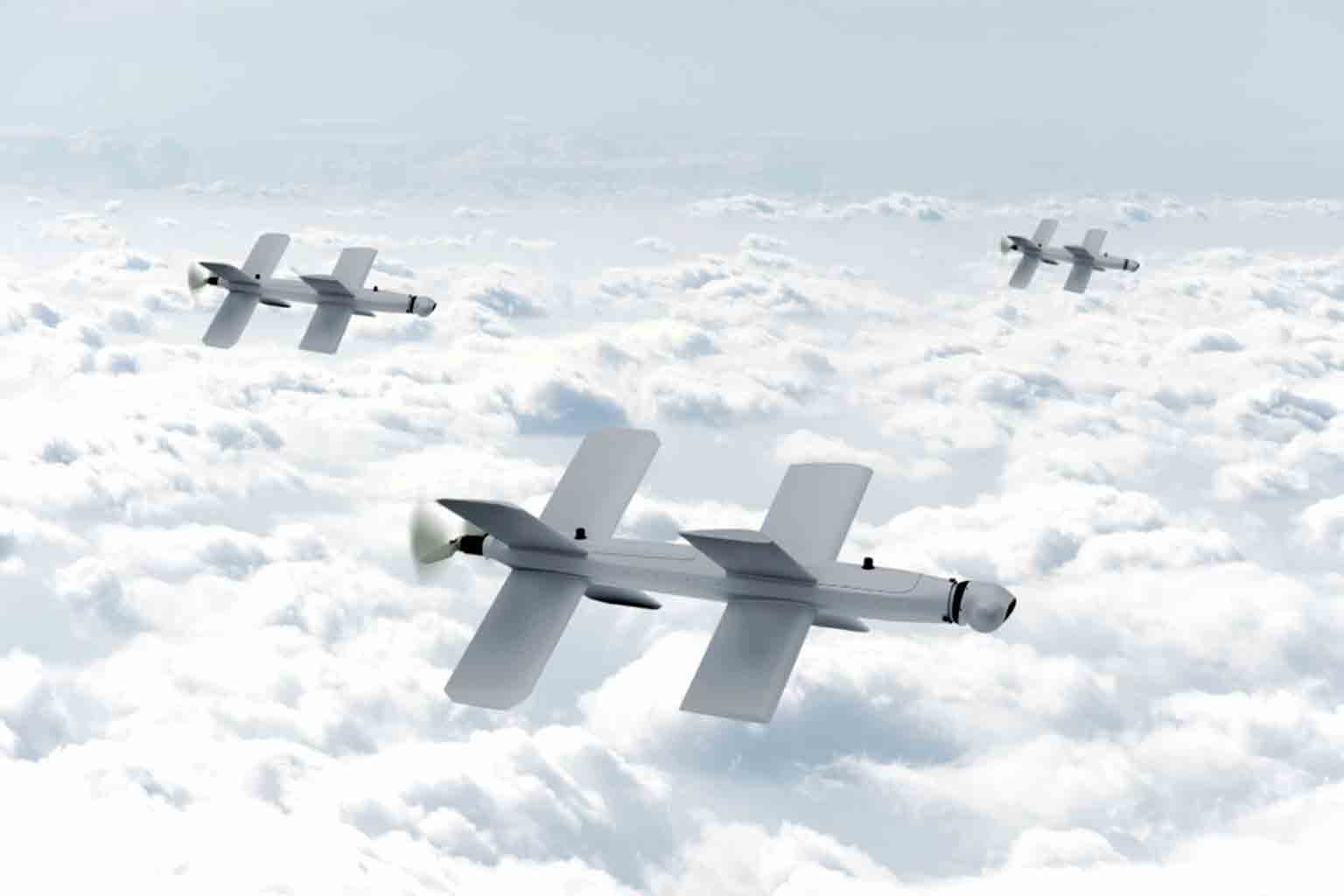
Alongside missile operations, Iran has intensified the deployment of drone swarms, sending multiple unmanned aerial vehicles simultaneously to overwhelm air defense systems. This tactic has been observed in attacks targeting Israeli positions and U.S. military installations across the Gulf region.
A notable shift is also visible in the targeting of energy infrastructure. Strikes or threats involving oil facilities and liquefied natural gas (LNG) sites in countries like Qatar, as well as warnings directed at Saudi Arabia and the United Arab Emirates, have raised concerns about potential disruptions to global energy supplies.
Maritime activity in the Persian Gulf has also become a focal point, with increased threats to commercial shipping routes, particularly around the strategic Strait of Hormuz. Analysts warn that any disruption in this corridor could have significant consequences for global trade and oil transport.
In addition, Iran is continuing to apply pressure through allied groups in the region, including forces in Lebanon, Iraq and Syria, opening multiple fronts and stretching the response capabilities of its adversaries.
Experts describe the evolving approach as a form of hybrid warfare, combining direct military action, economic targeting, and regional influence. This marks a shift from earlier reliance on indirect or proxy-based tactics to a more coordinated and multi dimensional strategy.
As the situation remains volatile, concerns are growing that these developments could lead to a wider regional conflict, with implications not only for Middle East stability but also for global energy markets and international security.