

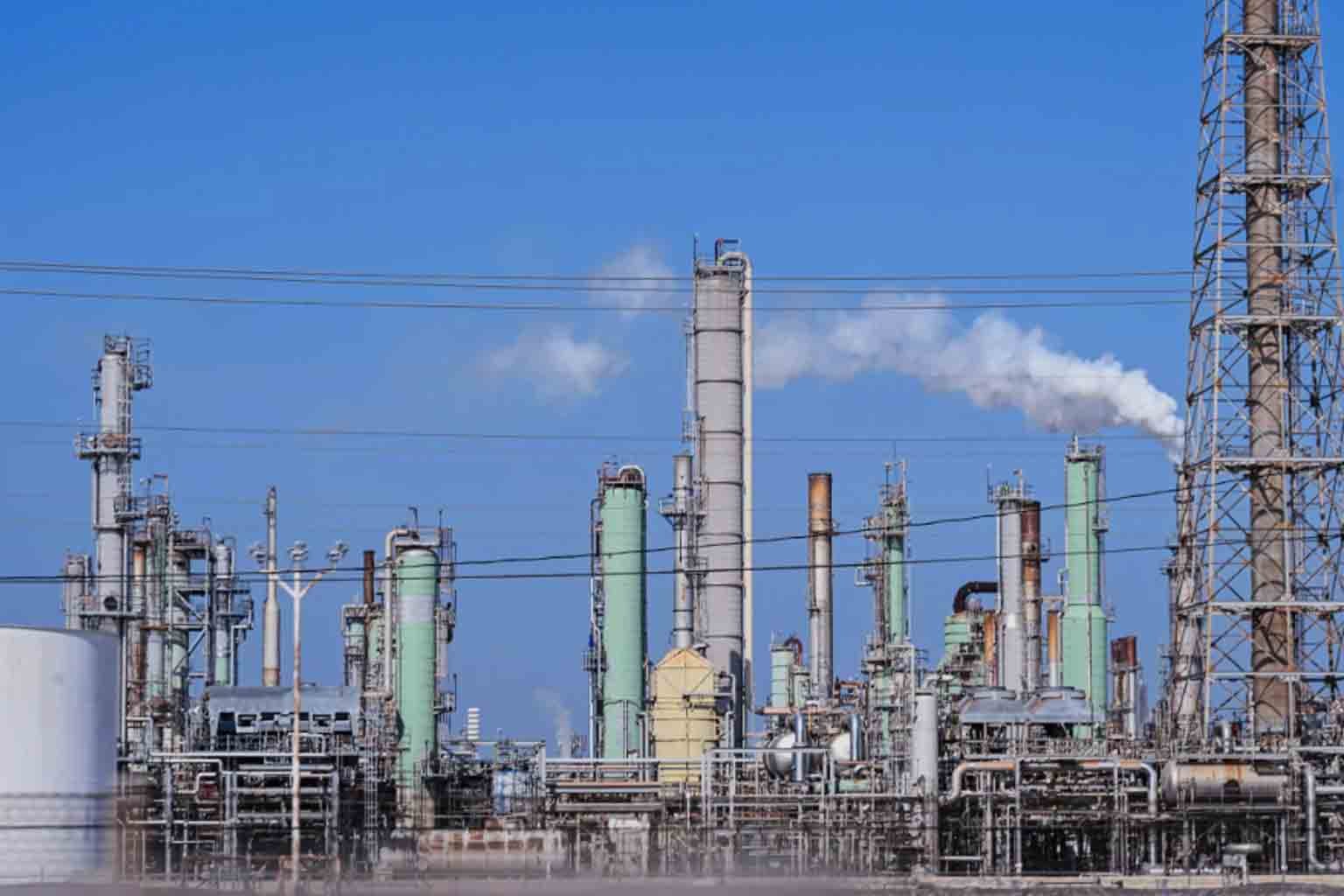
Rising tensions in the Middle East have disrupted key natural gas and crude oil supplies from Gulf nations, causing concerns over fuel shortages and rising energy prices in India and Europe. The disruption comes amid escalating hostilities involving Iran, Israel and United States.
Impact on India
India relies heavily on liquefied natural gas (LNG) imports from the Gulf, especially from Qatar. With shipments delayed or suspended, several power plants and industries are facing shortages. Retail gas prices and transport fuel costs have started to rise in major cities, prompting government advisories on conservation and alternative sourcing.
Impact on Europe
European nations importing Gulf LNG, particularly Germany, Italy and Spain, have also reported reduced supplies. Energy firms warn that prolonged disruptions could increase electricity and heating costs as the continent heads into warmer months when gas demand remains high.
Global Market Effects
Crude oil and LNG prices have surged on international exchanges following the Gulf supply disruptions. Traders are concerned that continued conflict may lead to wider interruptions, affecting global energy security and inflation.
Government and Industry Response
- India is exploring alternative LNG sources from United States and Australia, while urging industries to reduce consumption.
- European countries are tapping strategic reserves and seeking additional shipments from non Gulf suppliers to stabilize supply chains.
Analysts warn that if the conflict escalates further, both India and Europe could face prolonged fuel constraints, affecting power generation, transport, and industrial operations and putting upward pressure on prices for consumers and businesses.