

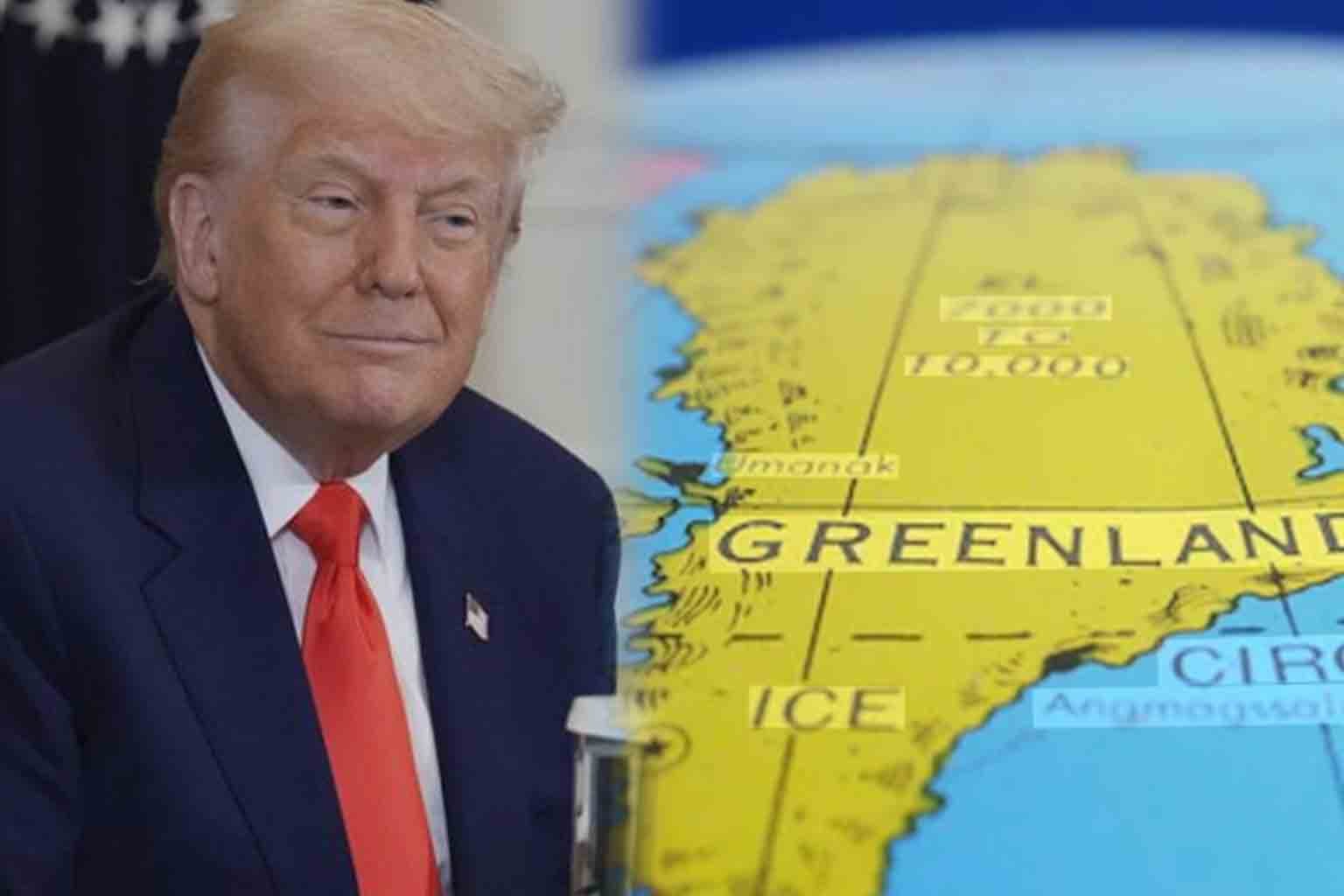
The European Union has warned of a “Dangerous downward spiral” in transatlantic relations after U.S. President Donald Trump threatened to impose tariffs on European countries opposing his stance on Greenland.
Trump said the United States could levy new tariffs on several European nations if they continue to resist Washington’s push for greater control or influence over Greenland, a semi autonomous territory of Denmark. He described Greenland as strategically vital for U.S. national security, citing its location in the Arctic and its importance for military and geopolitical interests.
According to U.S. officials, the proposed tariffs could begin at 10 percent and rise further if European governments do not shift their position. The threat has triggered strong reactions across Europe, with leaders warning that using trade measures to exert geopolitical pressure could severely damage long-standing alliances.
Senior EU officials said such moves would undermine trust between partners and risk escalating into a broader trade conflict. They stressed that coercive economic measures would hurt both the United States and Europe, weaken cooperation within NATO, and distract from shared priorities such as global security and economic stability.
EU foreign policy leaders also cautioned that internal divisions between Western allies would only benefit rival powers, including Russia and China. They emphasized that issues related to Arctic security and Greenland should be addressed through diplomatic dialogue and existing security frameworks, not through tariff threats.
European leaders, including those from France and Nordic countries, rejected what they described as intimidation tactics, stating clearly that Europe would not be “Blackmailed” into changing its stance on Greenland. Denmark reiterated that Greenland’s status and future are matters for the people of Greenland and the Danish kingdom, not external pressure.
The controversy has sparked protests in parts of Europe and Greenland, with demonstrators opposing any attempt to link trade penalties to territorial or political demands. EU ambassadors are now holding emergency consultations to coordinate a unified response to Washington’s warning.
Analysts say the dispute marks one of the most serious transatlantic tensions in recent years, combining trade policy with sensitive geopolitical and sovereignty issues. If tariffs are imposed, Europe is expected to consider retaliatory measures, raising the risk of a wider economic confrontation.
For now, EU leaders say they remain open to dialogue but insist that mutual respect and diplomacy not threats must guide relations between allies.