

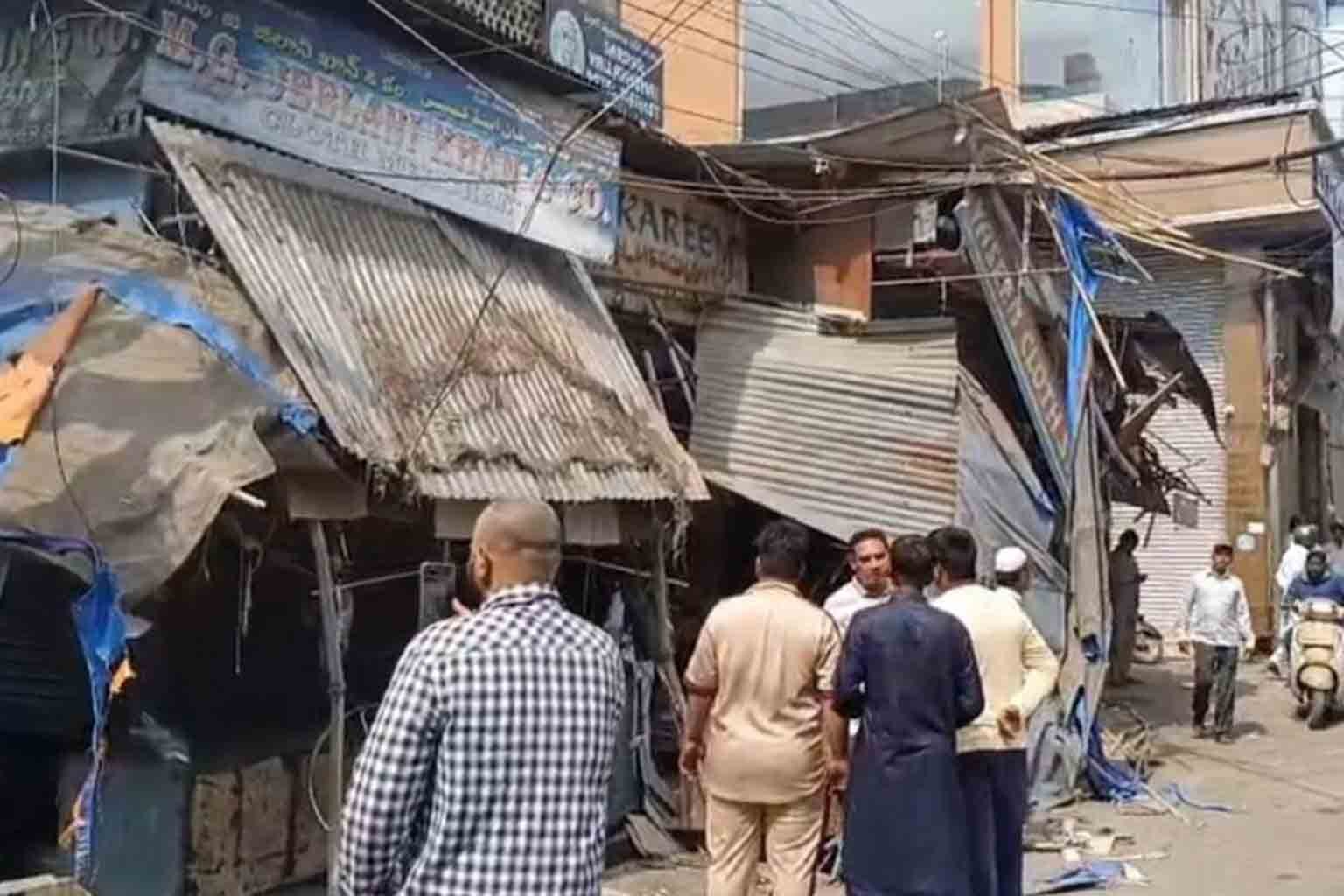
The recent large scale drive by GHMC to remove around 800 encroachments in a single day has sparked debate over the timing of such actions and the impact on those affected.
While civic authorities say the operation was necessary to clear public spaces and reduce congestion, critics argue that many of these encroachments did not appear overnight. In several cases, small vendors and shop owners had been operating in these areas for months or even years, raising concerns about why enforcement was not carried out earlier.
Residents and observers have pointed to possible gaps in monitoring and regulation, suggesting that a lack of consistent oversight may have allowed illegal structures to grow over time. Some also allege that certain individuals take advantage of weak enforcement, expanding into public spaces until strict action is suddenly taken.
For many small traders, the sudden removal has caused disruption to their livelihoods. Some say they were not given enough time to adjust, even if notices were issued and feel that earlier intervention could have prevented such large scale losses.
Urban experts note that while encroachment removal is important for planned development, consistent enforcement is equally crucial. They stress that regular monitoring and timely action can help avoid situations where large numbers of people are affected at once.
GHMC officials, however, maintain that drives are conducted as part of ongoing efforts and that action is taken according to rules. They have also stated that such operations will continue to prevent the re-emergence of encroachments.
The situation highlights a broader issue faced by growing cities balancing strict enforcement with fairness, while ensuring that public spaces are protected without causing sudden hardship to vulnerable groups.