
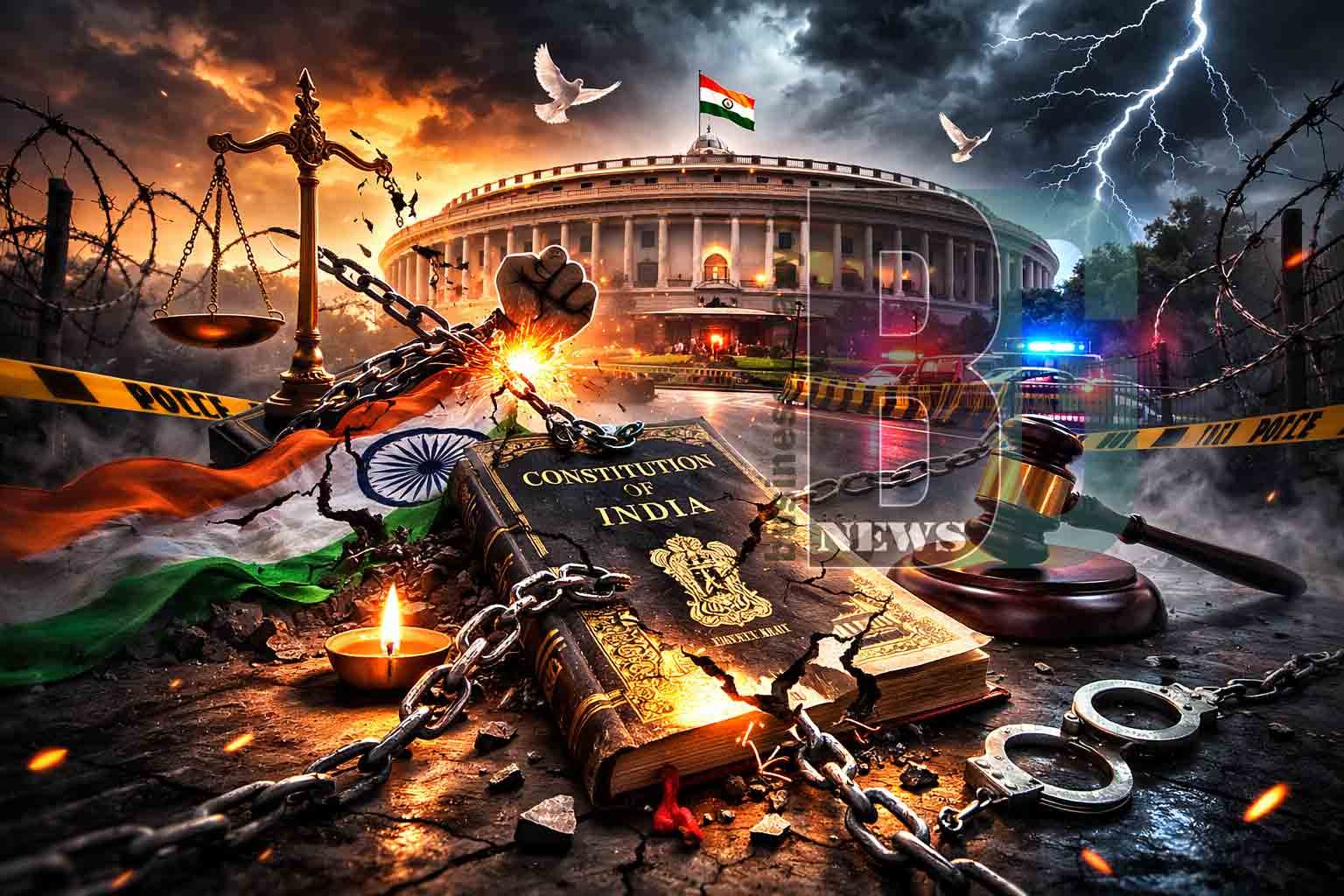
A video circulating on social media allegedly shows an individual claiming to be associated with the Karni Sena issuing a life threat to Congress leader Rahul Gandhi. The clip has triggered widespread condemnation from political leaders, civil society groups and constitutional experts, who have termed the act “dangerous, criminal, and an attack on democracy.”
The alleged threat has raised serious concerns over the safety of elected representatives and the growing culture of political intimidation in the country. Leaders across party lines have said that issuing death threats to opposition figures is not just a crime under law but also a direct assault on democratic values and free political expression.
Congress leaders condemned the incident, stating that such threats are meant to silence dissent and create fear through violence. “Disagreement in a democracy must be fought with ideas, not bullets or threats,” a party spokesperson said.
Police authorities have reportedly taken note of the viral video and initiated steps to verify the identity of the person who made the statement. Legal experts have pointed out that threatening the life of a public representative can attract stringent sections of the Indian Penal Code, including charges related to criminal intimidation and public mischief.
It is important to note that the threat appears to have been made by an individual claiming affiliation with Karni Sena and there is no official confirmation that the organisation itself endorsed or authorised such a statement. However, the incident has once again highlighted the responsibility of organisations and political groups to publicly distance themselves from violent rhetoric and cooperate with law enforcement.
Human rights activists and journalists have warned that normalising such threats will erode democratic institutions and encourage mob mentality. “When death threats become part of political discourse, democracy itself is under attack,” said a senior civil liberties advocate.
Opposition parties have demanded immediate arrest of the person involved and a clear public statement from authorities ensuring the safety of Rahul Gandhi and other leaders facing similar threats. They have also urged the government to act firmly against hate speech and intimidation, irrespective of political affiliation.
Conclusion:
The alleged threat against Rahul Gandhi is not merely an attack on one individual but a warning sign for India’s democratic health. In a constitutional democracy, political differences must be settled through debate and ballots, not violence and fear. Swift legal action and unequivocal condemnation are necessary to send a strong message that threats and hate have no place in public life.