

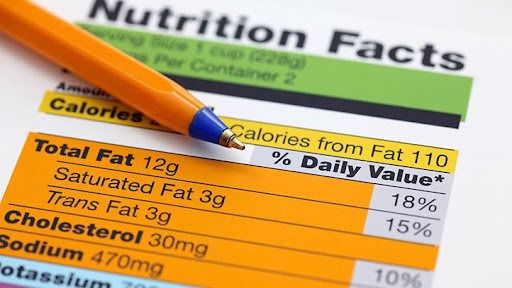
Scientists at Hyderabad’s National Institute of Nutrition (NIN), in partnership with the Food Safety and Standards Authority of India (FSSAI), have proposed a new front-of-pack nutrition labelling system to help consumers quickly assess whether a packaged food is healthy or harmful.
Packages like chips or soft drinks could soon display clear, front-of-package labels avoiding the need to decipher tiny, confusing back-of-pack details. The goal: help people make healthier choices at a glance and fight rising lifestyle diseases such as obesity, diabetes, and hypertension.
Drawing on global best practices, the NIN recommends three label styles:
- Nutri Score (NS): A color coded letter grade (from A to E) indicating the overall healthiness of the product.
- Health Star Rating (HSR): A score between 0.5 to 5 stars that reflects the nutritional profile at a glance.
- Warning Labels (WL): Bold symbols or text signaling that a product is high in harmful ingredients like sugar, salt, or fat.
NIN researchers shared that summary style labels like Nutri Score and star ratings work well for guiding healthier purchases. But warning labels may be more effective at actively discouraging consumption of unhealthy items because even a moderate rating might inadvertently signal acceptability (for example, a 2.5 star might feel “average” rather than unhealthy).
The Supreme Court has directed FSSAI to finalize an Indian Nutrition Rating (INR) label format drawing from these options by October 2025. While experts support the move, some food industry groups are resistant, fearing that traditional Indian snacks and sweets may be unfairly stigmatized.
Health professionals strongly back the reform, underscoring its potential to benefit all consumers especially those with limited literacy. But they caution that labelling alone isn’t enough. To make a real impact, the move should be complemented by public awareness campaigns, enforcement through testing labs, and broader nutrition education.