

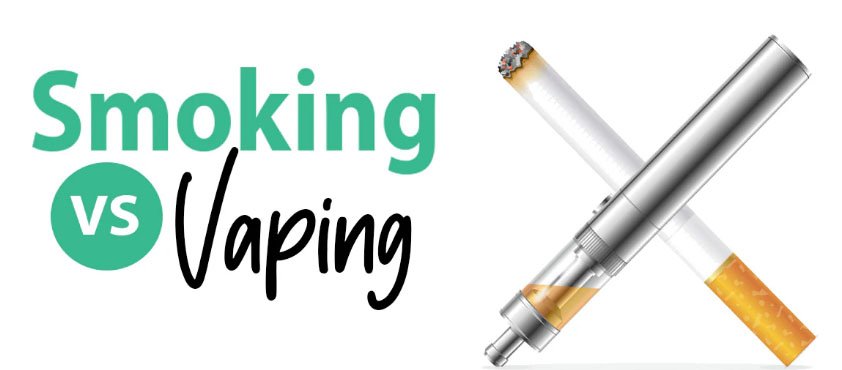
As vaping gains popularity among young adults and former smokers, many are questioning whether e-cigarettes are a safer alternative to traditional tobacco cigarettes. While vaping is often marketed as a “less harmful” option, health experts caution that both carry significant risks though in different ways.
What’s in a Cigarette?
- Traditional cigarettes contain tobacco that burns when smoked, producing over 7,000 chemicals, including tar, carbon monoxide, formaldehyde, and arsenic. Many of these substances are known carcinogens, directly linked to lung cancer, heart disease, stroke, and chronic obstructive pulmonary disease (COPD).
- Each puff delivers nicotine, a highly addictive substance that creates dependency and alters brain chemistry. Long-term smokers face a high risk of lung and oral cancers, blocked arteries, and reduced immunity.
What’s in a Vape?
- Vapes or e-cigarettes use liquid cartridges containing nicotine, flavorings, and chemicals like propylene glycol and glycerin, which are vaporized and inhaled. Unlike cigarettes, vapes don’t burn tobacco so they produce fewer toxins like tar or carbon monoxide.
- However, studies show that vape aerosols still contain harmful substances such as formaldehyde, acetaldehyde, and heavy metals from the heating coils. Inhaling these over time can damage the lungs, heart, and blood vessels.
Health Risks Compared
| Health Impact | Cigarettes | Vapes |
|---|---|---|
| Cancer Risk | Very High (lung, throat, mouth) | Still under study; some evidence of long-term risk |
| Heart Disease | High (due to tar and carbon monoxide) | Moderate risk from nicotine and chemicals |
| Lung Damage | Severe, causes COPD and emphysema | Linked to EVALI (vaping-related lung injury) |
| Addiction | Strong; high nicotine levels | Strong; often similar nicotine levels |
| Second-hand Exposure | Very harmful | Less, but still unsafe |
Today’s Generation: Fashion or Health?
A growing concern is that young people today are increasingly addicted to smoking and vaping, seeing it as a fashion statement or lifestyle choice. Social media, peer influence, and trendy flavored vapes have made nicotine use appear “cool,” but few realize the long term damage to their health.
Many underestimate how vaping or smoking affects lungs, heart, and mental focus. What seems like a harmless style statement today can lead to serious chronic diseases and addiction tomorrow.
The Misconception of “Safe Vaping”
- Many young users believe vaping is harmless because it smells better and feels lighter. But nicotine addiction is still powerful in vapes, and flavored options make it more appealing to teens.
Health experts have warned of EVALI (E-cigarette or Vaping Use – Associated Lung Injury), a condition that caused thousands of hospitalizations and deaths in 2019.
What Health Experts Say
- The World Health Organization (WHO) states that no level of nicotine use is safe, and vaping should not be considered harmless.
- Indian Council of Medical Research (ICMR) notes that e-cigarettes can become a gateway to traditional smoking rather than a quitting tool.
- The Government of India has banned e-cigarettes since 2019, citing growing addiction among youth.
Quitting Both Is Best
- Whether you smoke or vape, quitting completely offers the greatest health benefit. Within 20 minutes of quitting smoking, blood pressure drops; within one year, heart disease risk falls by 50%. Similar improvements are seen in those who stop vaping.
- Doctors recommend nicotine replacement therapy (NRT), counseling, and support groups as safer ways to quit without turning to e-cigarettes.
Bottom Line
While vaping may expose users to fewer chemicals than smoking, it is not safe. Both cigarettes and vapes deliver addictive nicotine and toxic substances that can harm your heart and lungs.
For today’s generation, it’s crucial to see smoking and vaping as a health risk, not a fashion statement. Prevention, awareness, and quitting remain the most effective tools against addiction and disease.