

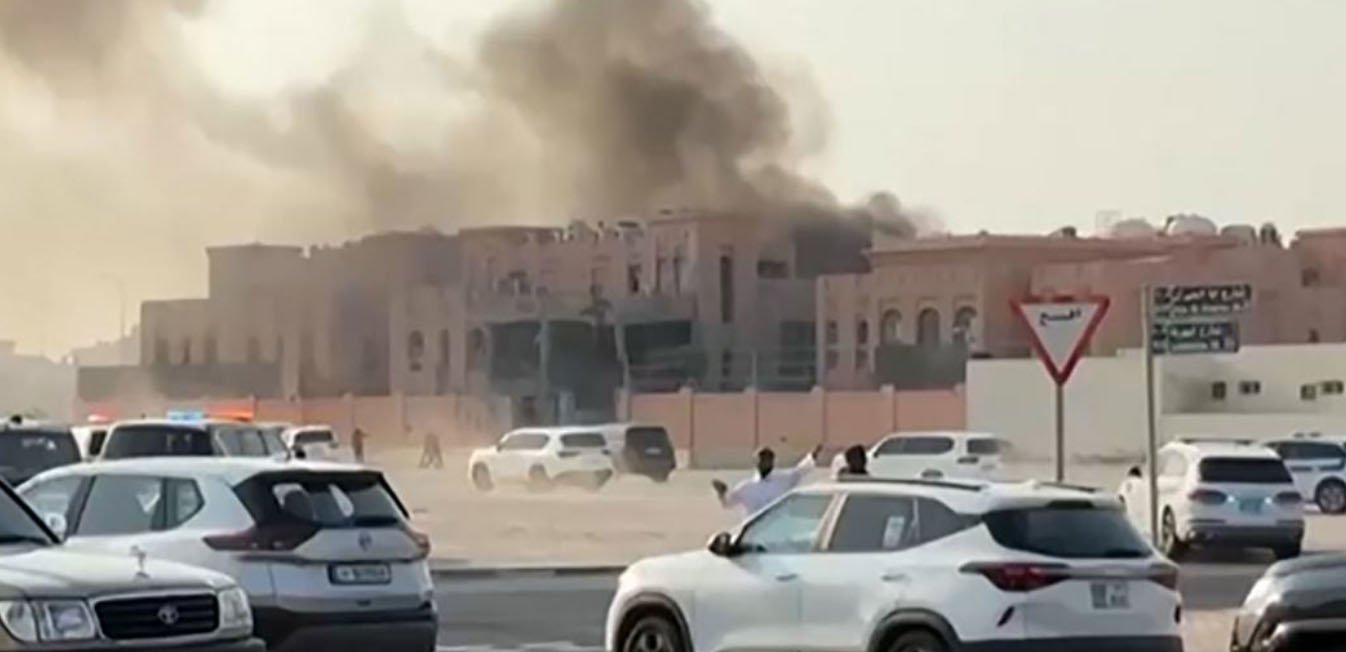
A major diplomatic crisis has erupted in the Gulf after Israel launched an airstrike in Doha, Qatar, on September 9, 2025. The strike targeted a compound believed to be hosting Hamas negotiators engaged in talks over a U.S. backed ceasefire proposal for Gaza. While senior Hamas leaders reportedly survived, the attack killed several people, including a Qatari officer and others connected to the group.
Qatar Reacts Strongly
Qatar’s leadership condemned the strike as an “act of state terrorism” and a direct assault on its sovereignty. Officials in Doha stated that the attack endangered Qatar’s role as a neutral mediator in the ongoing conflict and undermined international trust in its diplomatic efforts.
The Qatari government has pledged to pursue legal and diplomatic measures against Israel, including raising the matter at the United Nations.
Regional and Global Backlash
- Arab Nations: Members of the Gulf Cooperation Council (GCC) quickly rallied around Qatar, calling emergency meetings to discuss a coordinated response. Several Arab states labeled the airstrike as reckless and destabilizing.
- International Community: The United Nations and multiple countries expressed alarm, warning that the incident violates international law and could further destabilize an already fragile region.
- Hamas: Leaders of the group accused Israel of deliberately trying to sabotage peace negotiations by targeting their delegates during talks.
Impact on Ceasefire Talks
The timing of the strike has cast serious doubts on the possibility of a Gaza ceasefire in the near future. Negotiators in Doha were reviewing terms of a U.S.-proposed truce when the attack occurred. Now, both Hamas and Qatar are questioning Israel’s sincerity in pursuing dialogue.
Observers believe the bombing could derail months of diplomatic work and prolong the conflict, making a peaceful resolution harder to achieve.
Gulf Security in Question
The strike inside Qatari territory has triggered fresh concerns over regional security:
- Gulf states fear that even neutral zones can no longer be considered safe.
- Leaders are debating stronger regional defense arrangements and questioning whether existing security guarantees from Western allies are sufficient.
- The incident has highlighted vulnerabilities in Gulf airspace and strained faith in international security mechanisms.
What Lies Ahead
Qatar is expected to intensify its diplomatic campaign against Israel while balancing its role as a mediator. Gulf nations may reassess their defense strategies, and global powers will likely face growing pressure to intervene diplomatically to prevent escalation.
The attack has become more than a strike against one target it is now a defining moment for Gulf security, diplomacy, and the fragile balance of power in the Middle East.