
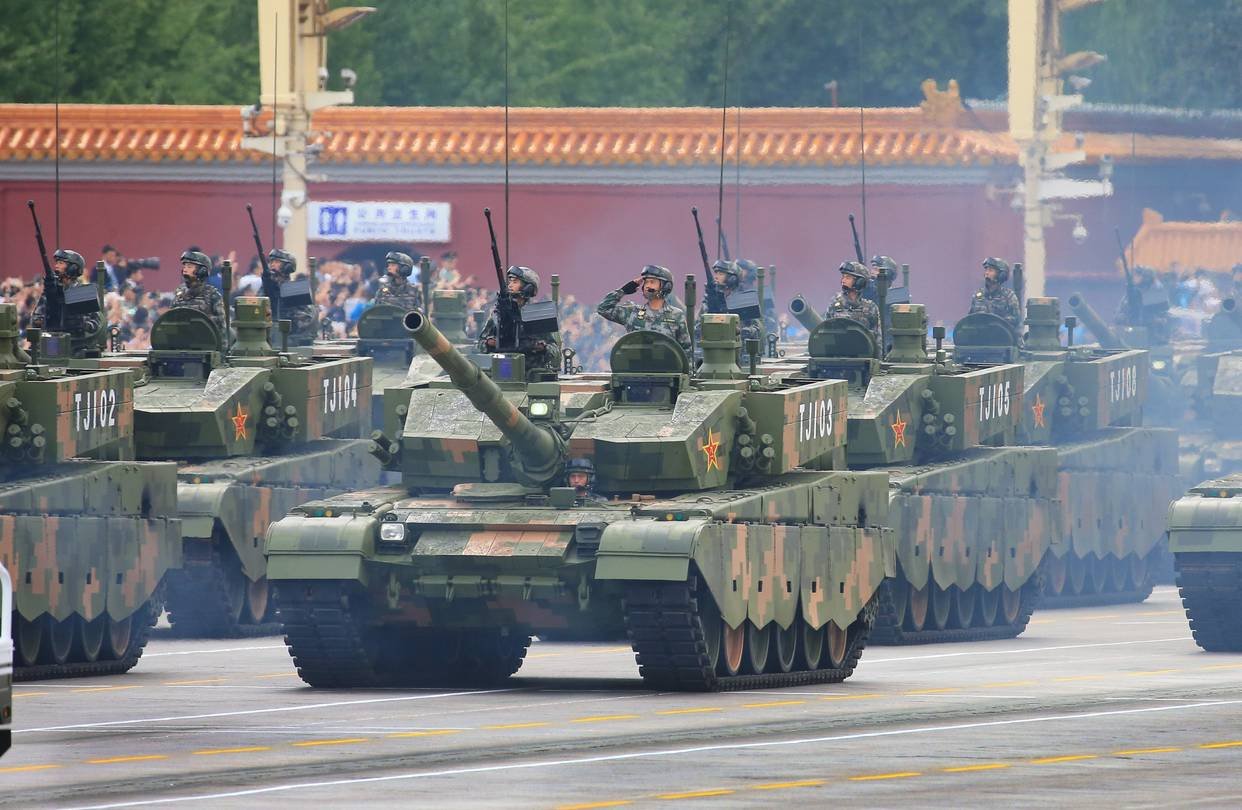
1. Occasion & Significance
The parade was held on September 3, 2025, in Beijing’s Tiananmen Square to mark the 80th anniversary of Japan’s surrender in World War II. It was China’s largest military parade since 2019, meant to honor history while showcasing modern military power.
2. Military Display
The event featured advanced weapon systems, including hypersonic missiles, the new DF-61 intercontinental ballistic missile, underwater drones, fighter jets, helicopters, and even specialized cyber and robotic units. Xi Jinping inspected the troops in an open-top limousine, while around 80,000 birds were released as a symbol of peace.
3. Global and Political Messaging
In his speech, Xi Jinping emphasized that the world faces a stark choice between peace and war, dialogue and confrontation, and cooperation versus zero sum rivalry. He framed China as strong, self reliant, and ready to assume a greater leadership role in global affairs.
4. Foreign Dignitaries & Symbolism
Russian President Vladimir Putin and North Korean leader Kim Jong Un stood alongside Xi, symbolizing closer ties among the three countries. Leaders from Iran, Myanmar, and Slovakia also attended, while most Western nations chose to stay away.
5. International Response & Domestic Impact
Former U.S. President Donald Trump reacted strongly, accusing Xi, Putin, and Kim of conspiring against America. Analysts say the parade was not only about projecting strength to the world but also about reinforcing support for China’s ruling party at home.
Bottom Line
The Beijing parade was more than a military show. It was a statement of China’s growing global ambitions, a reminder of its historical narrative, and a signal of shifting alliances. With Xi, Putin, and Kim presenting a united front, the event marked a moment of geopolitical significance that the world is watching closely.