

Communal tension continues in Bareilly following the “I Love Muhammad” controversy. Since protests escalated after Friday prayers, there have been arrests, reports of alleged abuse of Muslims, and disputes over properties and religious spaces. Below is what is known so far, the concerns raised, and why many feel the situation reflects deeper issues.
What Has Happened So Far
- Protests erupted after posters saying “I Love Muhammad” were put up. After Friday prayers, large crowds gathered near the Ala Hazrat Dargah and the residence of cleric Tauqeer Raza Khan. Stone pelting, clashes with police, and damage to property followed.
Authorities have registered FIRs against many protesters. Charges include unlawful assembly, incitement, and injuring police personnel. The cleric Tauqeer Raza Khan and several associates have also been arrested and sent to judicial custody. - The district administration identified eight properties linked to cleric associates for potential demolition, claiming they are illegal or encroaching structures.
- At least 38 shops, mostly in minority dominated areas, were sealed citing encroachment violations. Shop owners have alleged that these actions are retaliatory or biased.
Internet services were suspended for 48 hours by authorities, citing security concerns.
Claims of Arrests and Abuse of Innocent People
Several families and community members say that innocent Muslims, not involved in protests or unrest, have been arrested or detained. The sweep is said to be broad, with vague criteria, and some arrests made without clear evidence.
There are allegations of verbal abuse, intimidation during house raids, and seizure of properties without transparent legal process.
Police and officials, however, maintain that those arrested have been linked through CCTV, intelligence reports, or video evidence of stone-pelting or incitement. They reject claims of mass wrongful arrest.
Religious and Property Disputes
Clerics and local Muslim community leaders express concern over proposals to demolish structures they consider important religious or community spaces. Some of the properties identified by authorities are believed to have religious associations. However, there is no verified report confirming that Hindu workers tried to demolish the Dargah itself. The reports focus more on identification of allegedly illegal structures, sealing shops, and demolition of properties linked to cleric associates.
Impact on Community and Recent Updates
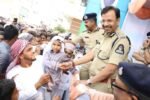
- The Muslim community in Bareilly reports fear and uncertainty even those not directly involved in protests feel vulnerable due to broad policing measures.
- Weddings and events have been disrupted because halls or banquet spaces have been sealed or scheduled for action. Over 600 weddings are reportedly impacted.
- Local leaders and clerics have strongly condemned what they describe as selective targeting, calling for due process and protection of religious freedoms.
- Authorities claim they are acting under law, responding to encroachment and illegal building, and aimed at maintaining peace and order.
What Next and What Should Be Done
- Transparent investigations into claims of wrongful arrests and abuse. Judicial oversight and accountability are needed.
- Clear notices, hearings, and rights to appeal for those whose properties are flagged for demolition or sealing.
- Dialogue between community leaders, law enforcement, and local government to reduce tension and ensure fairness.
- Protection of religious places like Dargahs and ensuring any action around them is done with community consultation.
- Monitoring by human rights organisations and civil society for impartial documentation.
Conclusion
Bareilly’s current situation is a flashpoint where law, religion, politics, and community tensions meet. The very real feelings of injustice among many Muslims over arrests, property use, and perceived unfair targeting need careful attention. While authorities claim legal motivations, many community voices feel actions have crossed into unfair treatment and suppression.
For peace and justice, what is needed now is Fairness, Transparency and Protection of religious and community rights.