

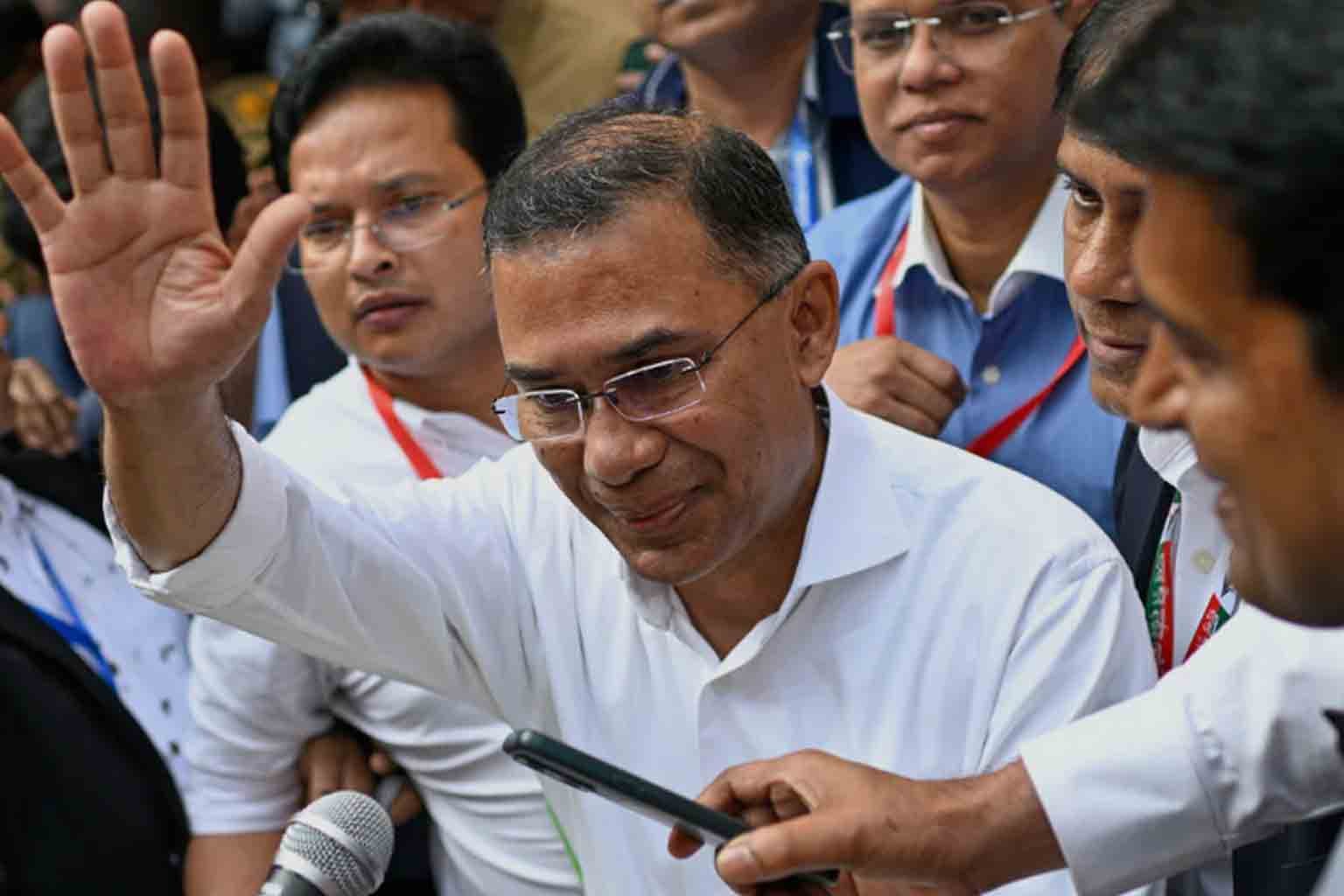
The Bangladesh Nationalist Party (BNP) has secured a decisive victory in Bangladesh’s parliamentary elections, winning a clear majority in the 300-seat Jatiya Sangsad. The landslide result paves the way for BNP leader Tarique Rahman to assume office as the country’s next Prime Minister.
Landslide Mandate
Preliminary official figures indicate that BNP and its allies have captured well over the majority mark, crossing the two thirds threshold in Parliament. The outcome marks BNP’s return to power after many years in opposition and signals a major political shift in the country.
Political Background
This election is the first major national poll after a period of political unrest and transition. The previous ruling party, the Awami League, lost power following mass protests and economic pressure, creating the ground for a competitive election.
Leadership of Tarique Rahman
Tarique Rahman, son of former Prime Minister Khaleda Zia, led the BNP campaign with a focus on economic recovery, employment generation, and restoring democratic institutions. After spending years abroad in self exile, he returned to Bangladesh and became the central face of the party’s revival.
Public Participation
The election witnessed significant voter turnout across urban and rural areas, reflecting strong public interest in political change. International observers noted that polling was largely peaceful, with only isolated incidents reported.
Domestic and International Response
Political leaders and governments from neighbouring and Western countries congratulated the BNP on its victory and expressed hope that the new government would prioritise stability, economic growth, and inclusive governance.
What Lies Ahead
With BNP set to form the government, attention now turns to cabinet formation and policy direction. Analysts expect the new administration to focus on reviving the economy, strengthening institutions and improving relations with regional and global partners.