
A fragile pause in fighting between Israel and Hamas has taken effect after negotiators secured agreement on the first phase of a multi step ceasefire plan. The move has immediately changed life on the ground in Gaza but the humanitarian, security and political realities remain stark and unstable.
What changed overnight
A temporary pause in major offensive operations was declared as part of the first-phase deal. Israeli forces have begun a partial pullback from some populated areas, and Hamas agreed to an initial hostage-for-prisoner exchange. Both steps are closely tied to a timetable laid out by mediators.
International mediators led publicly by officials from the United States, Egypt and Qatar helped broker the framework that launched the pause and the initial exchanges. The United Nations and humanitarian agencies are now working to operationalize promises on aid access.
Civilians returning into ruins
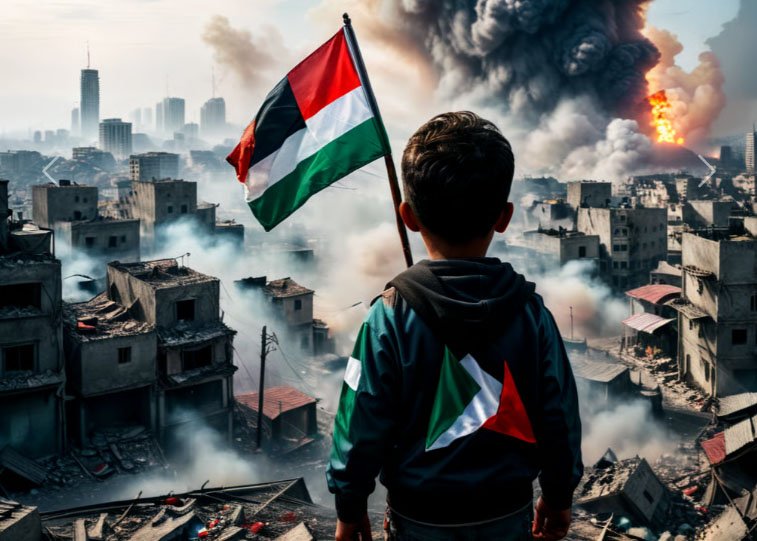
Thousands of displaced Palestinians have begun returning to their neighbourhoods to look for belongings and assess damage. Images from Gaza City, Khan Younis and other areas show families walking amid flattened buildings, burned out vehicles and collapsed apartment blocks. Many returnees report finding only rubble where homes once stood.
Humanitarian situation: desperate and immediate
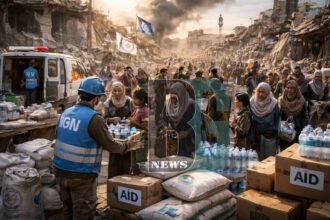
Gaza’s humanitarian crisis remains severe. International agencies and local health authorities warn of widespread food insecurity, with large swathes of the population at crisis or worse levels of hunger. The ceasefire’s humanitarian pledges centre on a dramatic increase in food and medical deliveries including plans for hundreds of aid trucks daily but implementation is contingent on continued troop withdrawals and secure corridors.
Hospitals and health infrastructure are badly strained. Many facilities are damaged, low on staff, fuel and supplies, and capacity to treat trauma and chronic illness is limited. Humanitarian groups stress that while a pause may allow scaled up relief, logistics and security coordination will determine whether aid actually reaches the most vulnerable.
Hostages, prisoners and verification
The first phase includes the release of hostages in exchange for Palestinian prisoners. Governments and mediators say initial lists and transfers are being processed, but the numbers, timing and condition of released individuals will be closely scrutinized by families, international monitors and governments. Verification mechanisms including third-party observers and the International Committee of the Red Cross in handover roles are expected to play a central role.
Security and political fragility
Israeli political leaders have endorsed the framework publicly but stressed that any future stages depend on Hamas’s disarmament and guarantees for Israel’s security. Some hard line coalition partners in Israel remain skeptical, warning they will oppose concessions seen as too generous. On the Palestinian side, Hamas’s commitments are similarly tied to guarantees and phased implementation. That political fragility means the pause could be reversed if either side judges their interests are threatened.
What observers warn about
Durability is uncertain. Past temporary truces have broken down when implementation lagged or when spoilers on either side resumed attacks. Monitoring, enforcement and rapid delivery of humanitarian promises will be decisive.
Huge reconstruction and recovery needs. Even if the pause holds, Gaza faces a massive task of rebuilding homes, schools, water systems and hospitals likely requiring years and international coordination.
Immediate priorities for relief and stability
- Secure, sustained humanitarian corridors to allow daily large convoys of food, medicine and fuel.
- Independent verification of hostage releases and prisoner transfers to build trust and prevent escalation.
- Restoration of essential services (Water, Power, Health) to limit disease and mortality among civilians.
- International monitoring and diplomatic engagement to manage the transition to subsequent phases and to oversee disarmament/guarantee arrangements if agreed.
Voices from the ground
Families returning to Gaza describe a mix of cautious hope and fear: hope for the return of loved ones and some relief supplies; fear that destruction, shortages, and political breakdown will soon resume if guarantees fail. Humanitarian workers say even short pauses must be used intensively to stabilize communities.
Bottom line
The first phase ceasefire has created a narrow but real opening for relief, hostage reunions and partial troop withdrawals. On the ground, however, Gaza remains a landscape of ruin, acute humanitarian need and political uncertainty. The coming days will test whether this pause becomes the start of durable relief and reconstruction or another temporary lull in a conflict that has already exacted a catastrophic toll.