
The Delhi High Court’s recent decision to grant bail to Kuldeep Singh Sengar, a former BJP MLA convicted of raping a minor in the notorious 2017 Unnao case has sent shockwaves across India. This is not merely a legal question it is a moral and societal crisis.
Sengar’s conviction for one of the most heinous crimes against a minor should have ended any debate about his freedom. Yet the High Court citing technicalities allowed a man convicted of child rape to walk free during the pendency of his appeal. The reasoning that a sitting MLA does not qualify as a “public servant” under the POCSO Act has been widely criticized as contrary to the spirit of the law.
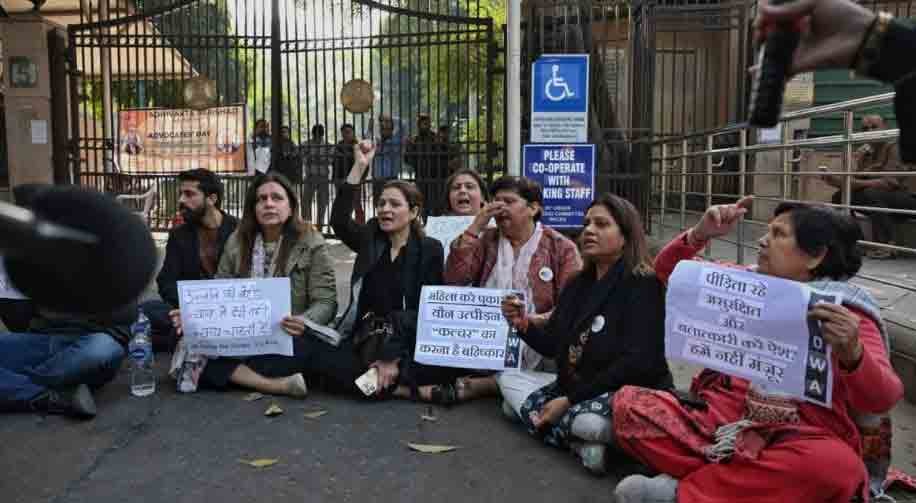
Across India, Citizens, Activists and Political leaders have expressed deep outrage. Protesters are demanding justice emphasizing that this ruling undermines public faith in the judiciary, encourages impunity and signals that power and influence can eclipse accountability. The survivor herself has been forced to fight not just for justice but to be heard, often facing harassment and removal from protest sites.
The moral compass of a nation is tested when the judiciary allows convicted child rapists to gain temporary freedom. It sends a chilling message: that the Rich, Powerful or Politically connected may escape justice. India cannot and must not accept this.
The Supreme Court must intervene immediately to overturn this order and reaffirm the principle that no one is above the law. Meanwhile, citizens protests across cities reflect the collective anger and insistence that justice must be done and seen to be done.
This is more than a case, it is a battle for the integrity of India’s justice system. If the nation stands silent, it risks emboldening perpetrators and silencing survivors. Every Indian must demand accountability, fairness and unequivocal justice for the vulnerable.
Justice delayed is Justice denied. And in this instance, the entire country is watching.