
The debate over Iran’s nuclear program has once again come into global focus, raising questions about History, Fairness and the future of nuclear regulation.
Historical Background
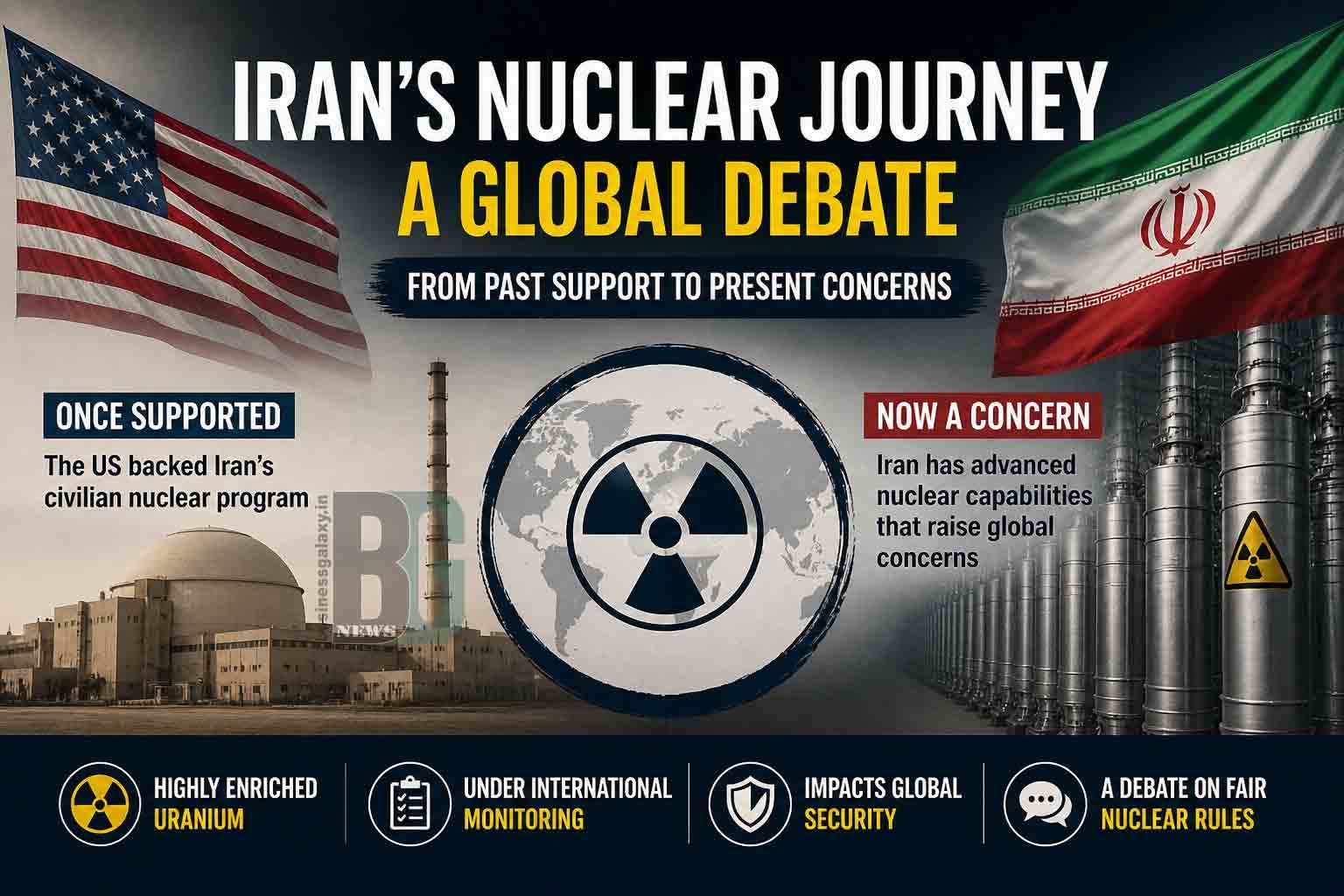
In the 1950s and 1960s, the United States supported Iran’s early nuclear development under the “Atoms for Peace” initiative. The program aimed to promote peaceful uses of nuclear energy, including electricity generation and scientific research.
At the time, Iran was a key regional ally of Washington, and its nuclear ambitions were viewed as part of modernization efforts not a security threat.
Shift After the Revolution
Following the 1979 Islamic Revolution, relations between the United States and Iran deteriorated sharply.
- Western cooperation ended
- Iran continued its nuclear program independently
- International concerns grew over the nature and intent of the program
Current Situation
Today, Iran possesses:
- Advanced uranium enrichment capabilities
- Stockpiles of highly enriched uranium
Experts say this brings Iran closer to what is known as a “Nuclear threshold state” a country that has the technical capacity to develop nuclear weapons if it chooses to do so.
However, it is important to note:
👉 Iran has not officially developed or declared nuclear weapons
Global Concerns
Western nations, particularly the United States and its allies, worry that Iran could move from civilian nuclear capability to weapons development.
Iran, on the other hand, maintains that its program is entirely peaceful and aimed at energy security and scientific progress.
This disagreement has led to:
- Economic sanctions
- Diplomatic negotiations
- Periodic escalation of tensions
The “Double Standard” Debate
The situation has sparked a broader global discussion:
- Some argue there is a double standard, where certain countries possess nuclear weapons while others are restricted
- Others say strict controls are necessary to prevent global proliferation and conflict
Why It Matters
Iran’s nuclear program is not just a regional issue it has global implications:
- Affects stability in the Middle East
- Influences global oil markets
- Shapes international security policies
Conclusion
Iran’s journey from a US supported civilian nuclear program to a central issue in global geopolitics reflects the complexity of nuclear policy. As tensions continue, the world faces a critical question:
👉 Can a balance be found between national rights to nuclear technology and global security concerns?