
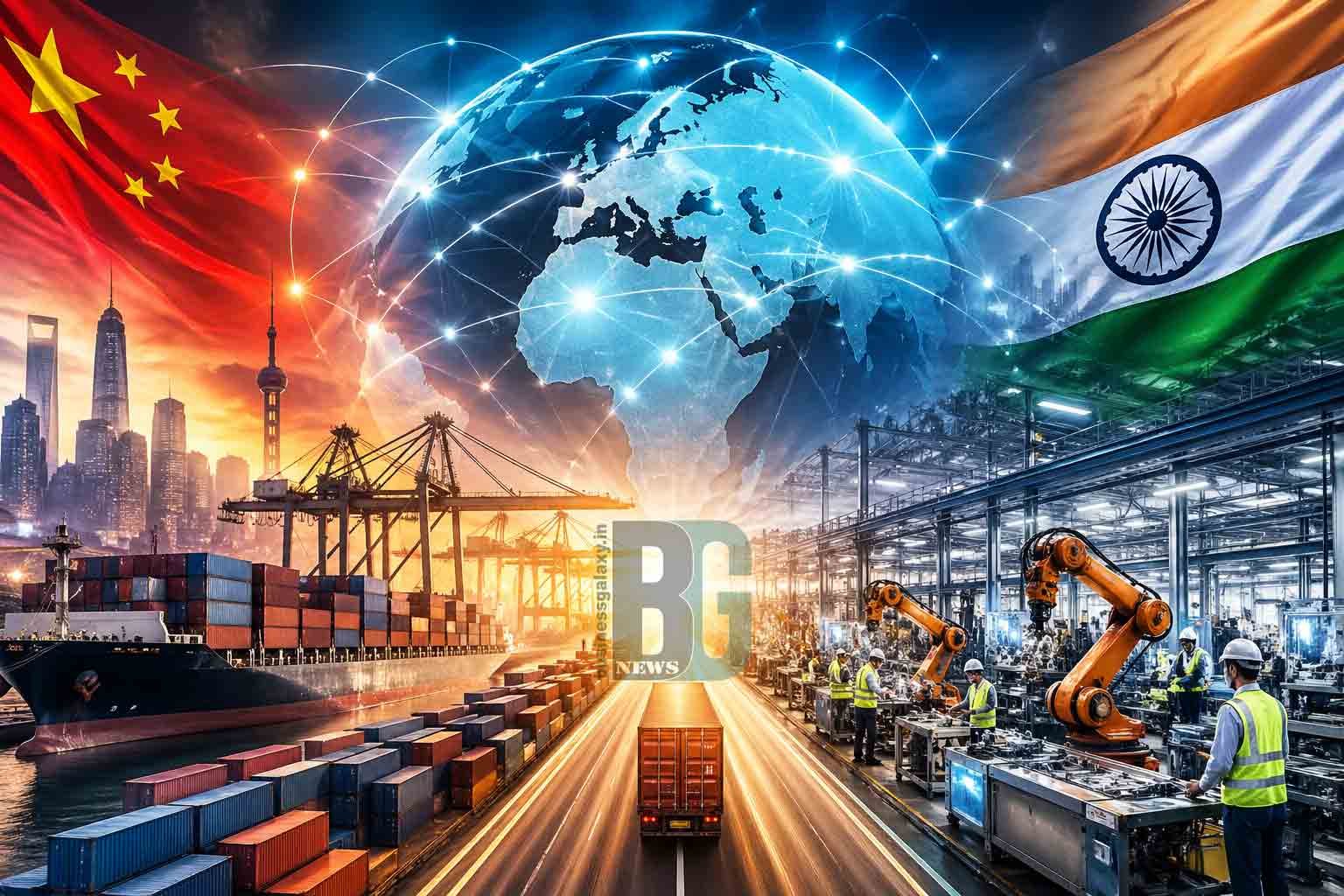
A major shift is underway in global trade as the European Union moves to prioritize local production within Europe. The proposed policy would require companies to manufacture goods inside the EU if they want access to subsidies and key markets signaling a broader move toward economic self reliance and reduced dependence on imports, particularly from China.
While the policy is designed to strengthen Europe’s domestic industries, it is also reshaping global supply chains and creating new opportunities for countries like India.
A Shift in Global Trade Strategy
The EU’s proposal reflects a growing global trend where major economies are:
- Reducing reliance on single country supply chains
- Encouraging domestic manufacturing
- Protecting jobs and critical industries
China has already criticized the move as unfair and warned of possible countermeasures, raising concerns about emerging trade tensions between major economic powers.
Why India stands to gain
Although the opportunity is open to many countries, India is considered one of the strongest contenders to benefit from shifting global dynamics.
Manufacturing alternative to China
As companies look to diversify beyond China, India offers:
- A large industrial base
- Competitive production costs
- A rapidly expanding manufacturing ecosystem
This positions India as a key alternative hub for global production.
Large workforce advantage
India’s young and growing workforce provides:
- Skilled and semi skilled labor
- Lower wage costs compared to developed economies
This makes it attractive for companies seeking to optimize costs while maintaining scale.
Rising foreign investment
To manage supply chain risks, global companies may invest in multiple regions.
India could see:
- Increased foreign direct investment (FDI)
- New factories and industrial projects
- Growth in logistics and infrastructure
Export opportunities
As European firms reduce dependence on China, India can expand exports in:
- Pharmaceuticals
- Textiles and garments
- Electronics
- Automobile components
This could strengthen India’s position in global trade networks.
Long term economic growth
With increased investment and industrial activity, India could benefit through:
- Job creation
- Expansion of key industries
- Stronger economic growth
For ordinary citizens, this may translate into better employment opportunities and rising incomes over time.
Challenges India must address
Despite the opportunities, the benefits are not guaranteed.
EU’s local production focus
If companies choose to manufacture within Europe itself, export gains for India may be limited.
Strict standards
The EU enforces high standards on:
- Product quality
- Environmental compliance
- Labor practices
Indian companies will need to upgrade to meet these requirements.
Global competition
Countries like Vietnam, Mexico, and Bangladesh are also competing to attract the same investments.
Bigger Picture
The EU’s move reflects a broader global shift:
- Globalisation is slowing down
- Economic nationalism is rising
- Trade policies are becoming more strategic and less open
Experts warn that such changes could impact global supply chains, pricing and market stability if tensions escalate further.
Conclusion
The European Union’s proposed trade rules mark a significant turning point in how global commerce operates. While the policy aims to strengthen Europe internally, it also creates strategic opportunities for India to emerge as a key player in the evolving global supply chain landscape.
However, the extent of India’s gains will depend on how effectively it can attract investment, improve infrastructure and compete globally in this new era of trade.