

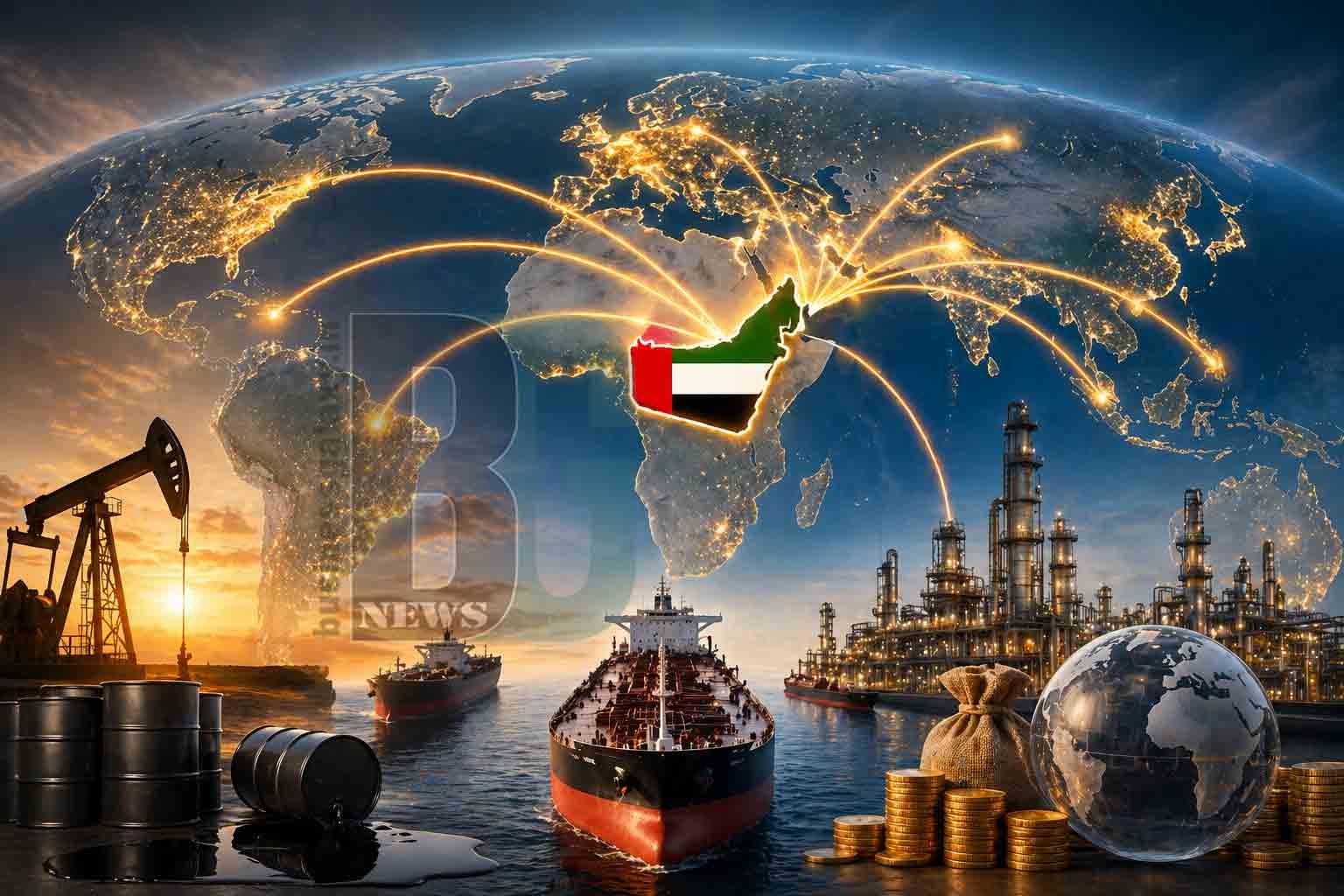
The decision by the United Arab Emirates (UAE) to leave the Organization of the Petroleum Exporting Countries after nearly six decades is being seen as a major turning point in global energy politics, with ripple effects expected across more than 100 countries worldwide.
Why the UAE’s move matters
The UAE officially announced its exit amid global oil market instability and geopolitical tensions. The country, which joined OPEC in 1967, is stepping away to gain full control over its oil production strategy and long term economic goals.
OPEC traditionally controls oil supply through production quotas to influence prices. By leaving, the UAE is no longer bound by these limits and can increase output independently, potentially boosting global supply.
Analysts say this could weaken OPEC’s overall influence and make oil markets more competitive and less controlled.
How many countries will benefit?
1. Major beneficiaries: 10-20 countries
Large oil importing economies are expected to gain the most, including:
- India
- China
- Japan
- South Korea
- Key European economies
These nations could benefit from lower crude prices, stable supply and better trade deals. Lower oil costs may also reduce inflation and improve economic growth.
2. Wider beneficiaries: 50+ developing nations
Countries across Asia, Africa and Latin America that rely heavily on fuel imports are likely to see:
- Reduced fuel and transport costs
- Lower production expenses
- Improved economic stability
3. Global reach: 100+ countries
Because oil prices impact nearly every economy, experts believe over 100 countries could see indirect benefits if prices ease.
However, the gains will vary depending on each country’s dependence on oil imports and existing energy policies.
Impact on crude oil prices
The UAE’s exit is expected to increase global oil supply flexibility, which could lead to softer crude prices in the medium term.
- OPEC’s quota system often restricts output to keep prices high
- Without these limits, UAE production could rise
- More supply typically leads to price reduction or stabilization
At the same time, experts warn that short term volatility may continue due to geopolitical tensions and supply disruptions.
Impact on global trade
Cheaper energy for importers
Lower oil prices can reduce fuel costs, making transportation, manufacturing and goods cheaper worldwide.
Shift in trade dynamics
Countries may start negotiating direct oil deals with the UAE, bypassing traditional OPEC mechanisms.
Increased competition
Other oil producers may also boost production, leading to price competition in global markets.
Big Picture
- UAE’s exit signals a weakening of OPEC’s control over global oil supply
- More than 100 countries could benefit, especially oil importers
- Crude prices may ease in the long term, though short term volatility remains
- Global energy markets are moving toward a more flexible and competitive system