
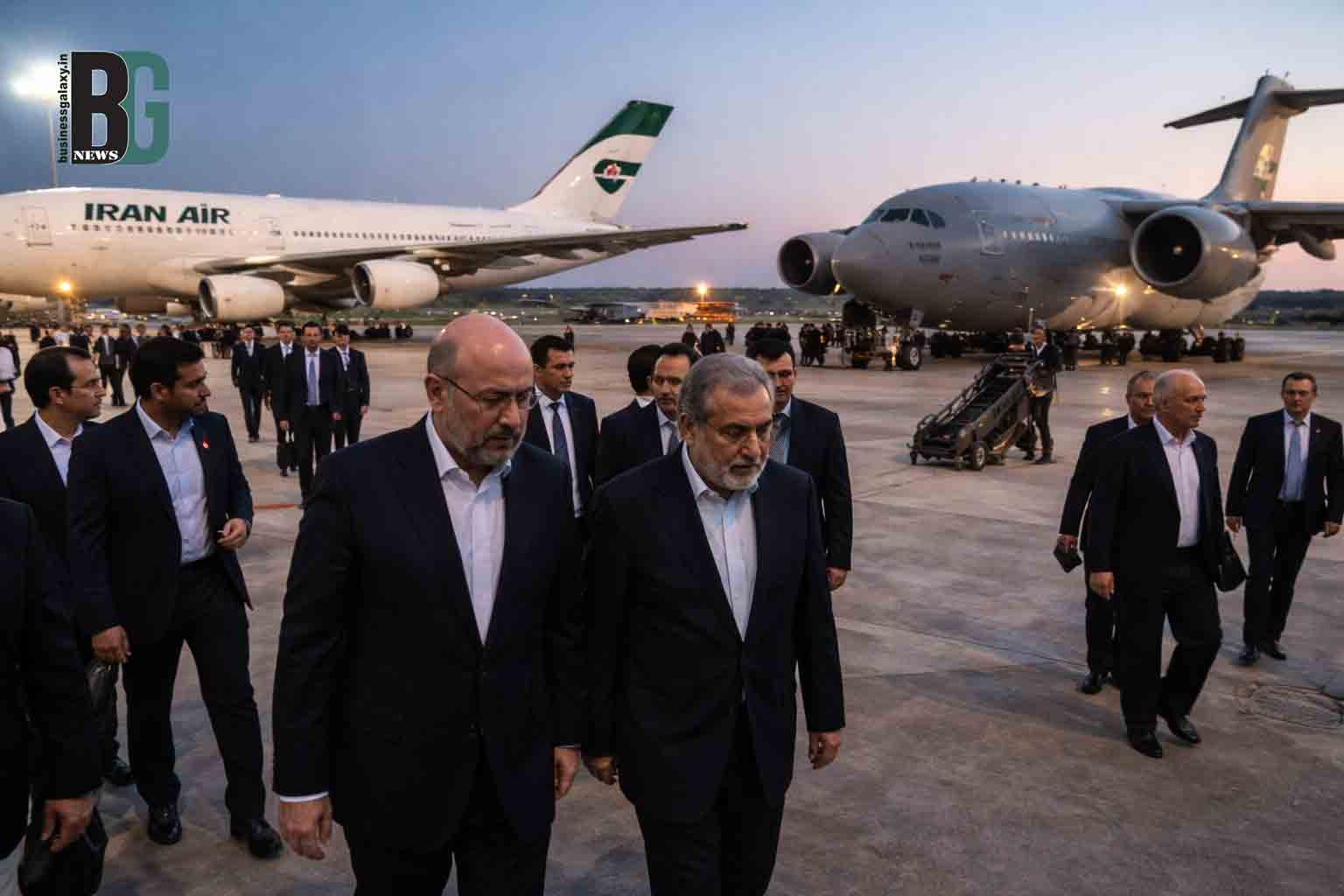
Iran’s high level delegation has left Islamabad after crucial talks with the United States ended without any agreement, marking a setback in efforts to ease ongoing regional tensions.
The Iranian team, led by Parliament Speaker Mohammad Bagher Ghalibaf and Foreign Minister Abbas Araghchi, departed the Pakistani capital following nearly 21 hours of intense negotiations mediated by Pakistan.
What happened in the talks
The discussions were seen as a rare direct engagement between Washington and Tehran, aimed at stabilizing a fragile ceasefire and reducing rising tensions in the region.
However, both sides failed to reach common ground and blamed each other for the breakdown.
- The United States said Iran did not agree to key conditions, particularly on nuclear restrictions
- Iran accused the U.S. of making “Excessive” and “Unacceptable” demands and not honoring prior understandings
Key sticking points
Several major disagreements blocked progress:
- Control and security of the Strait of Hormuz, a vital global oil route
- Iran’s nuclear program and uranium enrichment limits
- Sanctions relief and compensation demands from Iran
- Broader regional security concerns
Following the failed negotiations:
- Both delegations left Islamabad without signing any agreement
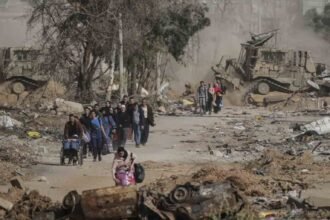
- The already fragile ceasefire remains uncertain
- Pakistan, acting as mediator, has urged both sides to continue diplomatic efforts
Despite the lack of progress, officials suggested that talks could resume in the future, as neither side has fully closed the door on negotiations.
For now, the outcome keeps the region on edge, with concerns over possible escalation and global energy supply disruptions if tensions rise further.