
Ceasefire negotiations aimed at halting the fighting in the Gaza Strip are continuing through international mediation, even as humanitarian conditions on the ground remain dire. Diplomats involved in the talks say discussions are focused on a temporary halt in hostilities, the release of hostages and detainees and the expansion of aid deliveries to civilians.
The negotiations are being facilitated by regional and global mediators, with proposals reportedly including phased ceasefire arrangements and guarantees for humanitarian corridors. While no final agreement has been announced, officials describe the talks as “difficult but ongoing” reflecting deep disagreements over security conditions and the sequencing of steps.
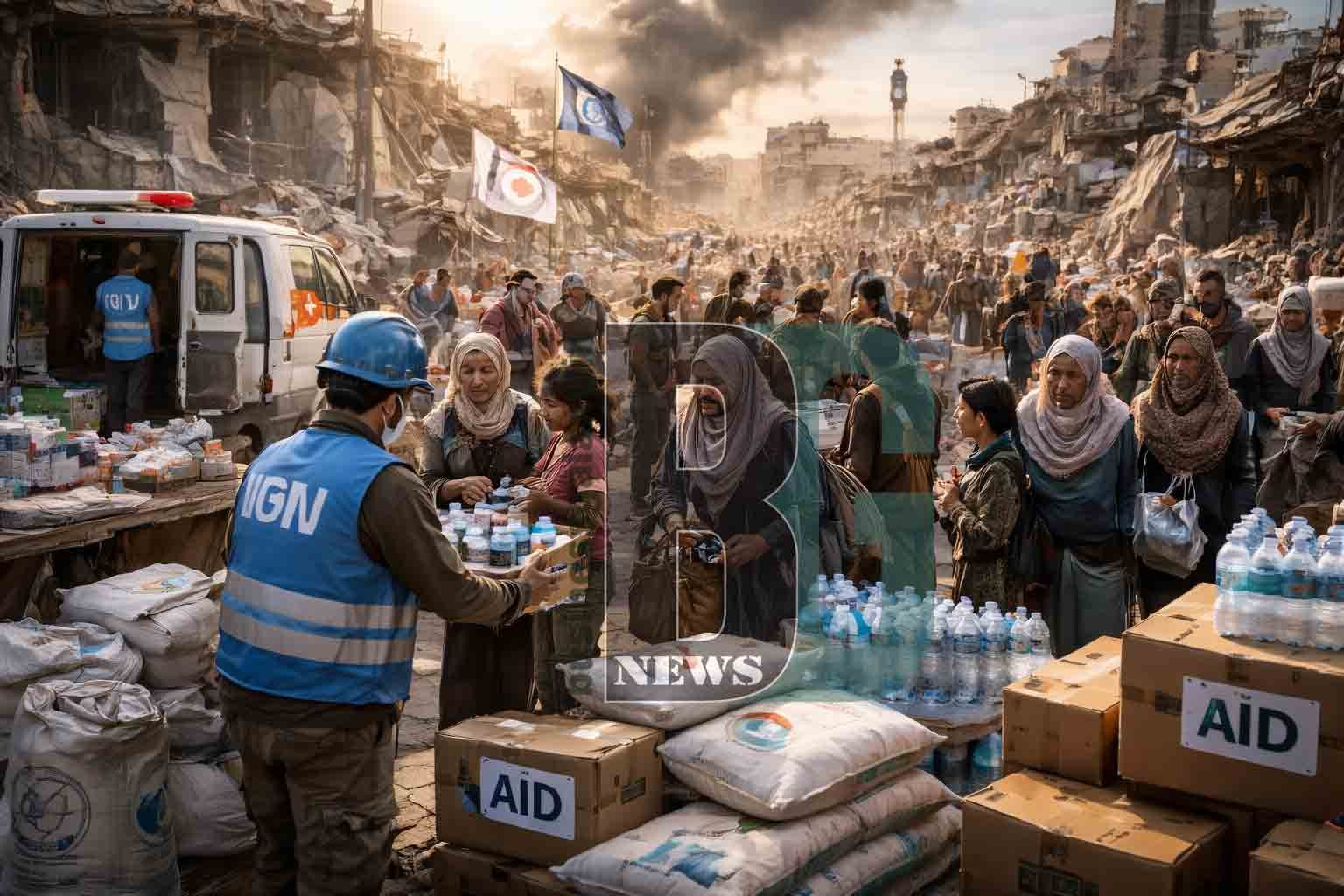
Meanwhile, humanitarian agencies have warned that Gaza’s civilian population is facing severe shortages of food, clean water and medical supplies. Hospitals are operating beyond capacity, and many clinics have shut down due to lack of fuel and damage to infrastructure. Aid convoys have entered the territory in limited numbers, but relief groups say current access is far below what is needed to prevent a wider humanitarian catastrophe.
The United Nations and other international relief bodies have urged all sides to ensure the protection of civilians and allow unrestricted humanitarian access. UN officials have also warned that prolonged fighting risks triggering famine like conditions in parts of Gaza, especially among children and the elderly.
On the political front, Israel has stated that any ceasefire must address its security concerns and prevent future attacks, while Palestinian groups have demanded a full halt to military operations and the lifting of restrictions affecting Gaza’s population. These conflicting positions have slowed progress despite sustained diplomatic pressure.
Several countries have renewed calls for restraint and emphasized the need for a political solution to the conflict. European and Middle Eastern leaders have said that a ceasefire is essential not only to stop the immediate violence but also to create space for longer-term negotiations on peace and reconstruction.
Conclusion:
As ceasefire talks continue, the humanitarian crisis in Gaza remains critical. Aid agencies stress that without a meaningful pause in fighting and a sharp increase in relief access, civilian suffering will worsen. The coming days are seen as crucial in determining whether diplomacy can succeed in easing one of the region’s most severe humanitarian emergencies in years.