
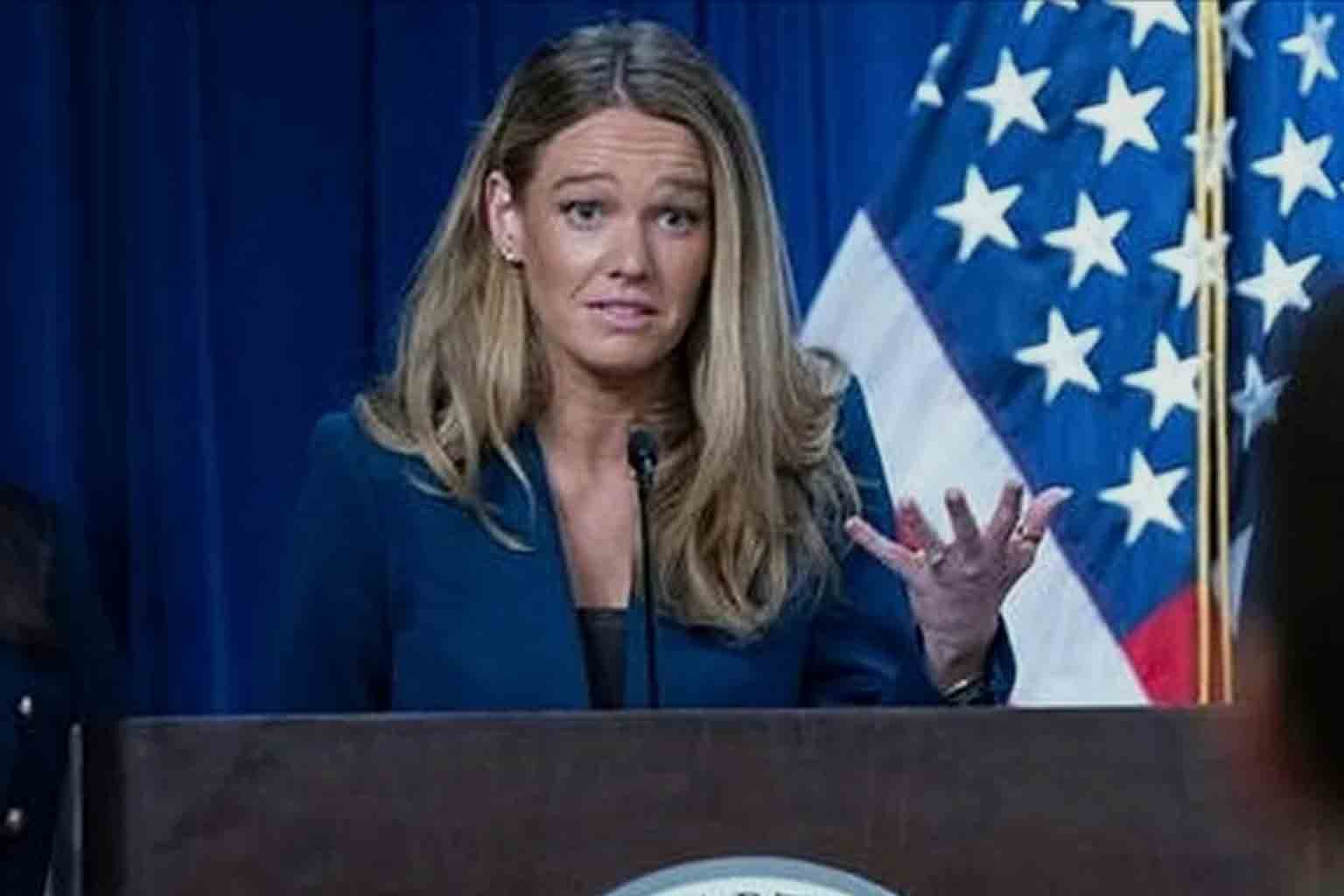
Washington: Tricia McLaughlin, the Assistant Secretary for Public Affairs at the Department of Homeland Security (DHS), has announced she is stepping down from her post, marking a significant change in the Trump administration’s communications leadership on immigration.
McLaughlin had become the most visible defender of the administration’s aggressive immigration enforcement strategy. She regularly appeared on television and social media to justify mass deportations, immigration raids, and the expansion of federal enforcement operations. Her combative style made her a central figure in the political battle over border security and undocumented migration.
Timing and Internal Context
According to officials familiar with the matter, McLaughlin had planned to leave her position earlier but stayed on through a series of major controversies involving DHS operations. Her final departure is expected later this month. The decision comes at a moment when immigration policy remains one of the most polarizing issues in American politics.
Her tenure coincided with a period of heightened enforcement activity ordered by President Donald Trump, including large scale deportation efforts and expanded authority for Immigration and Customs Enforcement officers.
Controversies Surrounding Her Role
McLaughlin’s public role drew criticism from civil rights groups, immigration advocates, and some former DHS officials who accused her of spreading misleading information and inflaming public tensions. Her messaging after several deadly encounters involving immigration agents drew particular scrutiny, as critics argued her statements were issued before full investigations had taken place.
Lawmakers from opposition parties repeatedly questioned DHS leadership over these incidents and demanded greater accountability. Protests were organized in several cities and public trust in DHS communications declined amid allegations of political propaganda rather than neutral public service messaging.
Her departure also follows internal disputes within DHS about how enforcement actions should be presented to the public and whether communication strategy was worsening the political fallout from operations on the ground.
Leadership Transition
DHS officials confirmed that McLaughlin’s deputy is expected to take over her role on an interim basis, while the department restructures its public affairs team. New communications staff with stronger media and political backgrounds are also expected to be added to the department.
The transition comes as DHS Secretary Kristi Noem faces pressure from Congress over border policy, deportation procedures and the use of force by federal agents.
Broader Political Impact
Analysts say McLaughlin’s exit reflects the growing strain inside DHS as it attempts to balance operational enforcement with public credibility. Immigration continues to dominate debates in Congress and on the campaign trail, with both supporters and critics of the administration framing DHS actions as central to national security and human rights.
Her resignation is seen as an effort to reset DHS’s public image at a time when immigration policy is reshaping domestic politics and international relations across the Americas.