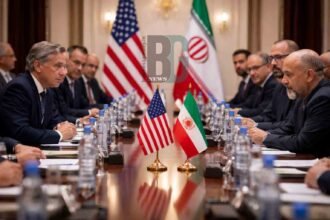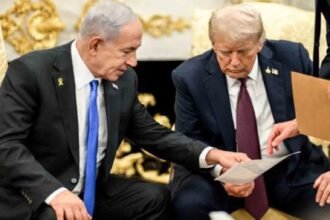

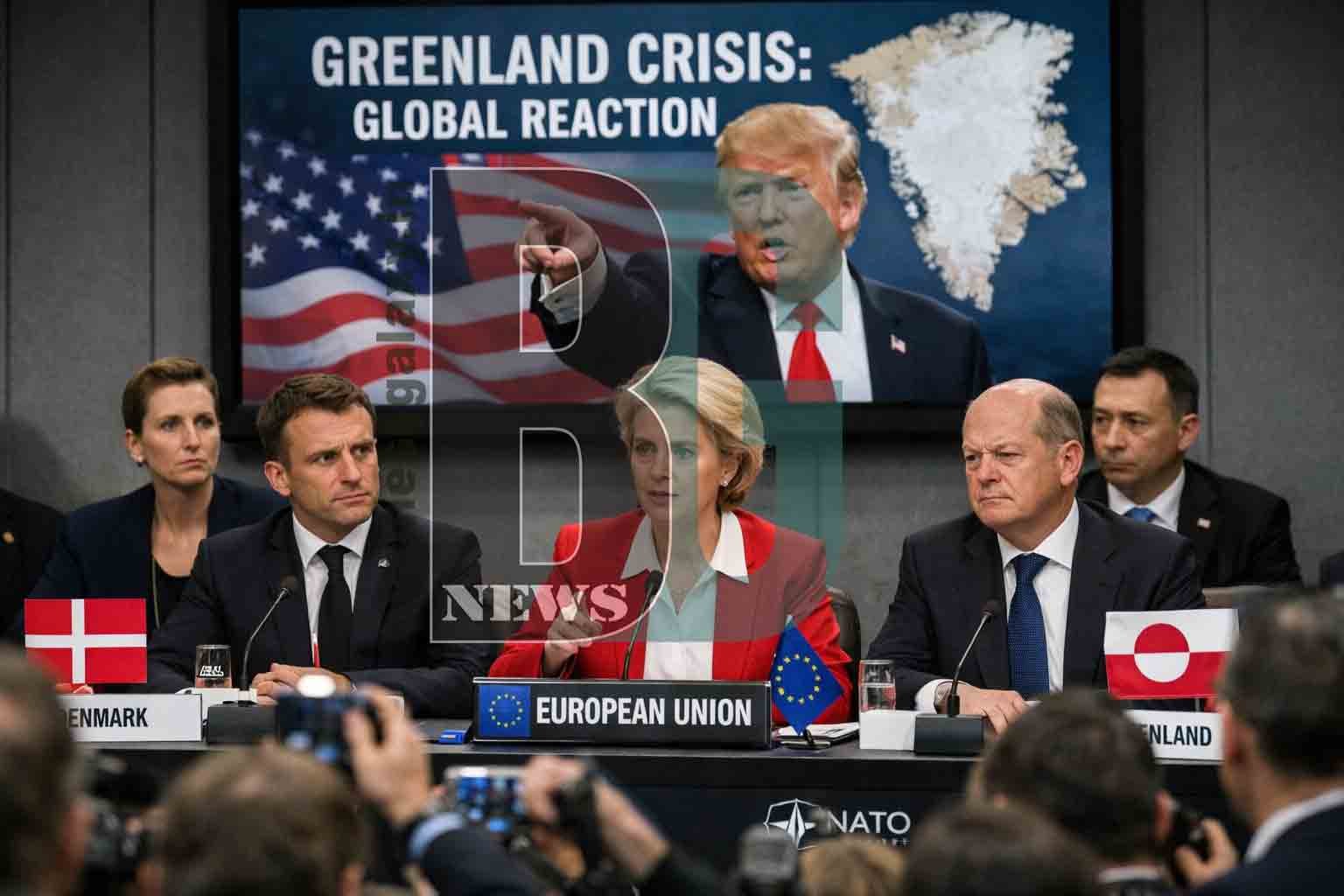
The international response to the Greenland crisis has been largely critical, with strong reactions from Europe and concern across global diplomatic and economic circles. The controversy intensified after the United States renewed pressure linked to Greenland and warned of punitive trade measures against European allies.
European Union leaders firmly rejected any external pressure involving Greenland, stressing that the territory is not for sale and that sovereignty and international law must be respected. Senior EU officials described the tariff threats as a serious mistake that could damage long-standing transatlantic relations and weaken trust among NATO partners.
At the World Economic Forum in Davos, the issue dominated discussions, with European leaders warning against coercive diplomacy and calling for unity. France and Germany emphasized that Europe must respond firmly and protect its strategic and economic interests if trade threats are carried out.
Denmark and Greenland’s leadership also pushed back strongly, with public statements and demonstrations asserting Greenland’s right to self-determination. Protests under slogans such as “Greenland is not for sale” reflected widespread public opposition to external interference.
The crisis triggered market uncertainty, with global stocks showing volatility as investors reacted to the possibility of a broader trade conflict. Economists warned that escalating tariffs could hurt both U.S. and European economies and disrupt global supply chains.
Within the United States, the approach faced mixed reactions. Some lawmakers and policy experts criticized the strategy as harmful to alliances and global stability, while supporters argued it was aimed at protecting strategic interests in the Arctic region.
Other international players, including China, cautioned against using economic pressure for geopolitical objectives and urged respect for international norms and diplomacy.
In brief:
The Greenland crisis has sparked widespread global criticism, strained U.S. – Europe relations, raised fears of a trade war and intensified debates over sovereignty, diplomacy and Arctic security.