
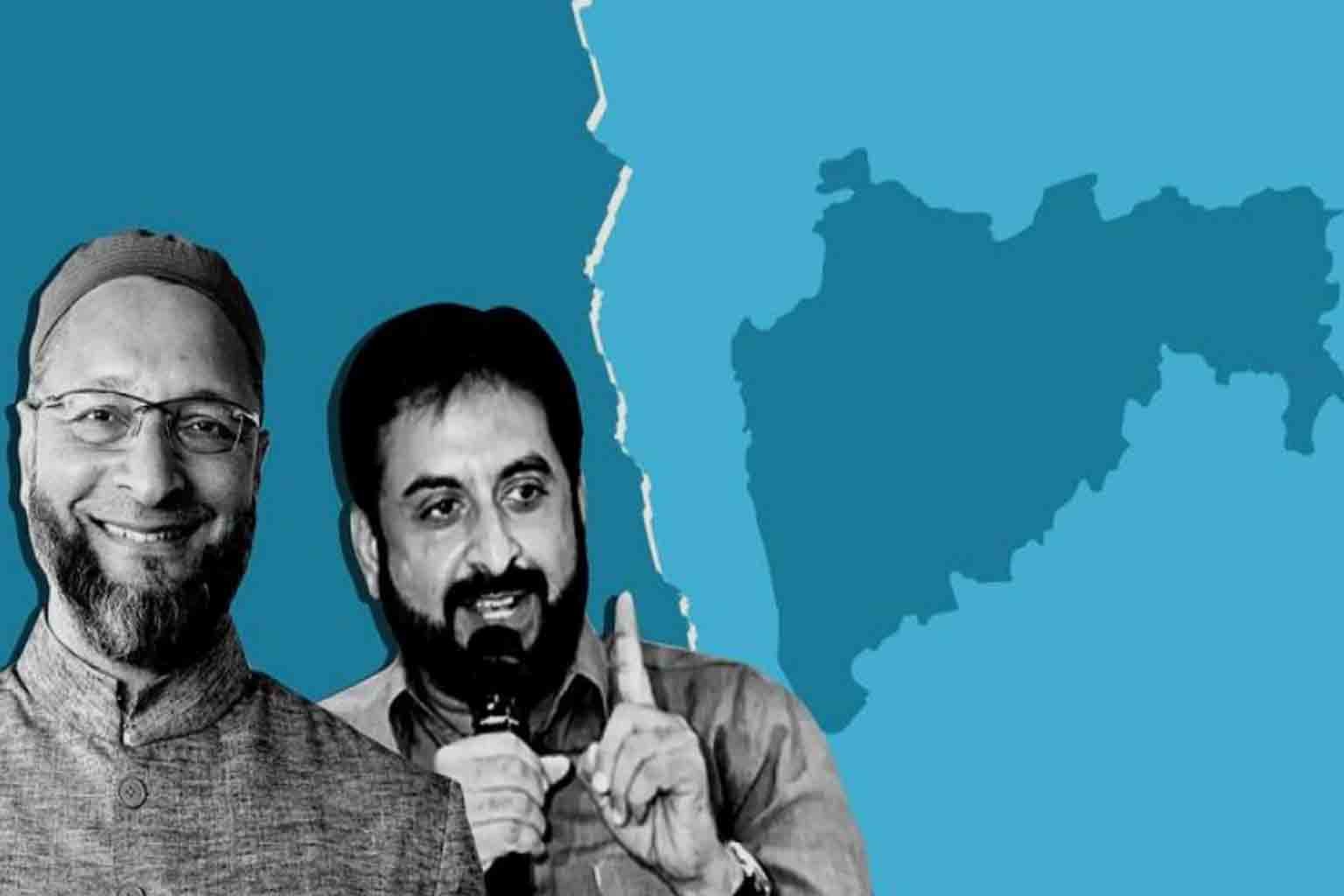
In a significant political development, six non-Muslim candidates have won municipal elections in Maharashtra on the ticket of Asaduddin Owaisi-led All India Majlis e Ittehadul Muslimeen (AIMIM), marking a clear expansion of the party’s social and electoral footprint beyond its traditional Muslim support base.
The results came as part of the recent Maharashtra municipal corporation elections, where AIMIM registered its best ever performance in the state, winning 125 corporator seats across several civic bodies. The victories of non-Muslim candidates have drawn attention as they challenge the long held perception of AIMIM as a party limited to Muslim representation.
Who Are the Non-Muslim Winners?
According to election results and party sources, the six winning candidates include Hindu and Buddhist leaders who contested on AIMIM tickets from mixed population wards in cities such as Sambhajinagar (Aurangabad), Nagpur, Solapur and Dhule. Their victories were secured with support from voters across communities.
Among the names that have emerged from official results and media reports are:
- Varsha Dongre, elected from Nagpur
- Pawan Koye, also from Nagpur
Other winners belong to Scheduled Caste and Buddhist communities, reflecting AIMIM’s strategy of fielding candidates from socially and economically marginalised groups.
Why These Wins Matter
AIMIM has traditionally been viewed as a party focused on Muslim minority issues. However, the success of non-Muslim candidates under its banner indicates a shift towards inclusive, issue based politics, especially at the municipal level where civic concerns such as water supply, housing, sanitation and local development dominate voter priorities.
Party leaders have said the results prove that AIMIM’s appeal is not restricted to religion, but extends to communities that feel under represented by mainstream political parties.
Bigger Picture in Maharashtra
AIMIM’s strong showing has made it an important political force in several urban local bodies. In some corporations, the party now holds enough seats to influence the formation of the civic body leadership, positioning it as a potential kingmaker.
Political analysts note that these results could reshape local political equations in Maharashtra and may encourage AIMIM to further broaden its candidate base in future elections.
Conclusion
The election of six non-Muslim corporators on AIMIM tickets marks a notable moment in Maharashtra’s civic politics, signalling changing voter behaviour and a possible redefinition of the party’s image as it seeks wider acceptance across communities.