
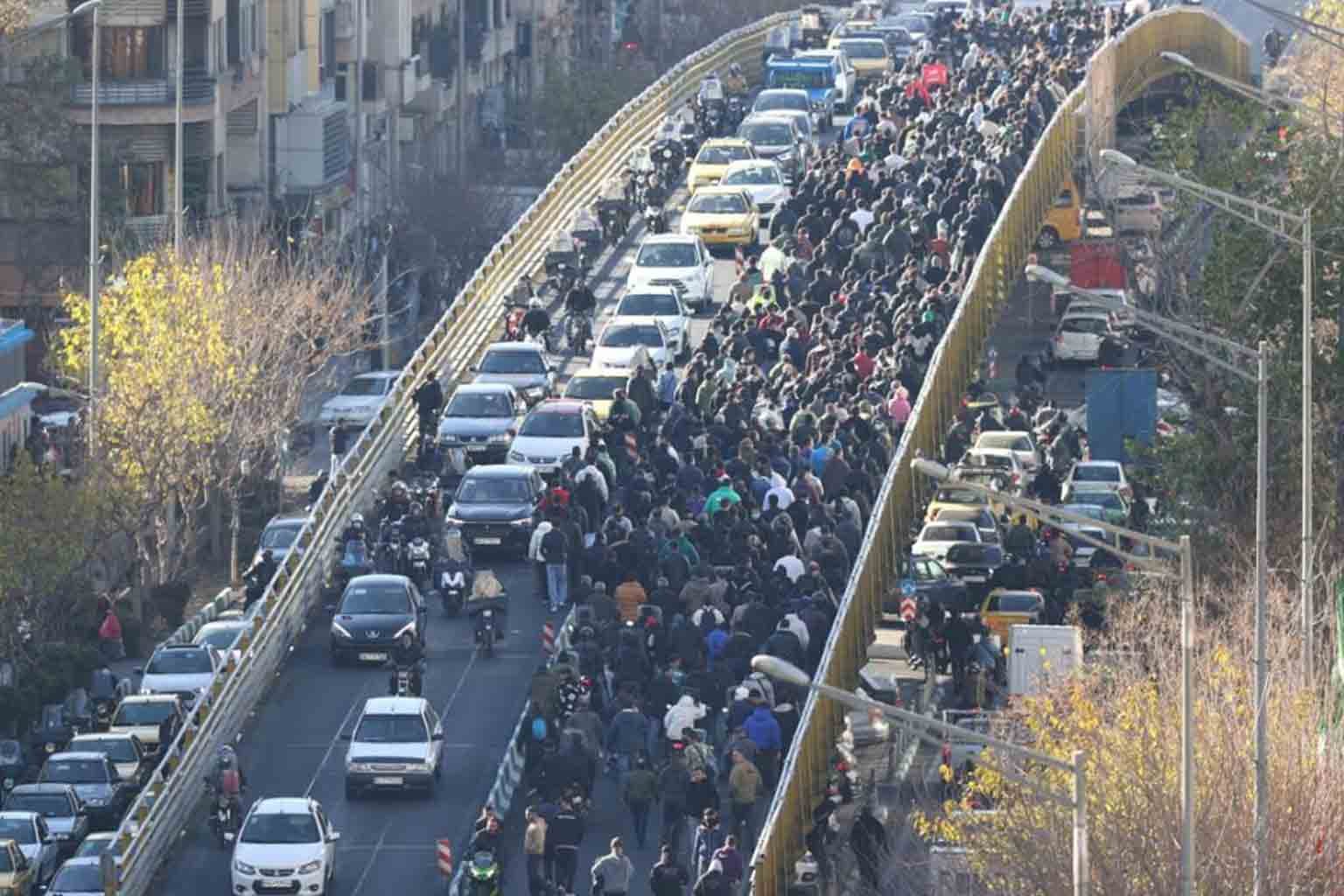
Iran is witnessing widespread unrest as large scale protests continue across the country, entering their ninth to tenth day. Demonstrations have spread to more than 250 locations across 27 of Iran’s 31 provinces, including major cities like Tehran, Mashhad, Isfahan, Shiraz and Tabriz.
What Is Happening on the Ground?
Thousands of people are protesting against severe economic hardship, rising prices and government policies. Markets, streets and public squares have become flashpoints, with protesters chanting slogans against economic mismanagement and political leadership.
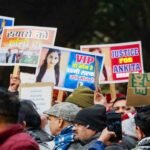
Clashes between demonstrators and security forces have intensified. Security personnel have used tear gas and force to disperse crowds, while protesters have blocked roads, burned objects and raised banners demanding justice and change.
Deaths and Arrests
Human rights groups and activists report that at least 30 – 36 people have been killed so far, including civilians.
More than 1,200 people have been detained nationwide. Hospitals in some regions have reportedly been surrounded or entered by security forces, drawing international concern.
Why Did the Protests Start?
The unrest began due to a deep economic crisis, marked by:
- Collapse of the Iranian currency (rial)
- Extremely high inflation
- Rising food and fuel prices
- Unemployment and shrinking incomes
What started as economic protests has now expanded into broader political anger, with people openly criticizing the government and demanding accountability.
Government Response
The Iranian government has taken a dual approach:
- Announcing possible economic concessions and reforms, including subsidies and currency controls
- Simultaneously launching a strong crackdown, calling protesters “Rioters” and warning of strict action
Authorities claim foreign elements are trying to exploit the situation, while analysts say the unrest is driven mainly by internal economic and political problems.
International Reaction
Several countries have expressed concern over the violence and instability.
India has issued a travel advisory, urging its citizens to avoid non-essential travel to Iran and to remain cautious.
Who Is Behind the Protests?
There is no single organization or political party leading the movement.
The protests are largely grassroots, driven by:
- Ordinary citizens
- Youth and students
- Workers, shopkeepers and traders
Mobilization has spread through social media and word of mouth. While the government alleges foreign influence, independent observers say the unrest is primarily the result of years of economic pressure and public frustration.
In Short:
Iran is facing one of its most serious waves of unrest in recent years, fueled by economic collapse and growing dissatisfaction with governance. Protests continue, casualties are rising and the situation remains tense and unpredictable.