

The Supreme Court has indicated that it will not immediately interfere with the Election Commission of India’s (ECI) Special Intensive Revision (SIR) of electoral rolls in Bihar, noting that the poll body is a constitutionally empowered authority. The Court stressed that the focus of the exercise must be on “en-masse inclusion” rather than exclusion of voters. It also suggested that the ECI widen acceptable identity proofs to ensure no eligible voter is left out.
Petitioners allege mass exclusions, ECI defends process
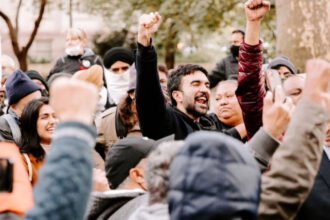
Multiple petitions have challenged the SIR, alleging large scale deletions and procedural irregularities that could disenfranchise vulnerable groups. Petitioners say new documentation requirements and verification methods could disproportionately affect marginalised communities.
The ECI, however, has defended the revision process, saying it is Lawful, Transparent and Aimed at strengthening the electoral rolls. It noted that draft voter lists and deletions were shared with recognised political parties.
Court warns entire process can be struck down if illegal
While the Supreme Court refused to stay the SIR, it made it clear that the process remains under scrutiny. If any illegality is proven, the Court said the entire exercise could be invalidated, which may have implications across India for future roll revisions.
Supreme Court’s directions to the ECI
The Court advised the Election Commission to:
- Prioritise inclusion over deletion
- Reconsider acceptable ID documents
- Ensure special outreach to Elderly, Disabled and Vulnerable voters
The bench maintained that it respects the ECI’s constitutional position but will intervene if rights are violated.
Political reactions
Opposition parties and civil society groups have alleged that the SIR could favour certain political interests. The ECI and its supporters maintain that the exercise is necessary to remove ineligible names and maintain clean electoral rolls.
What’s next
The SIR began in June and is linked to preparations for the 2025 Bihar Assembly Elections. The Supreme Court will continue hearing the matter and its final verdict could shape how electoral roll revisions are conducted nationwide.