
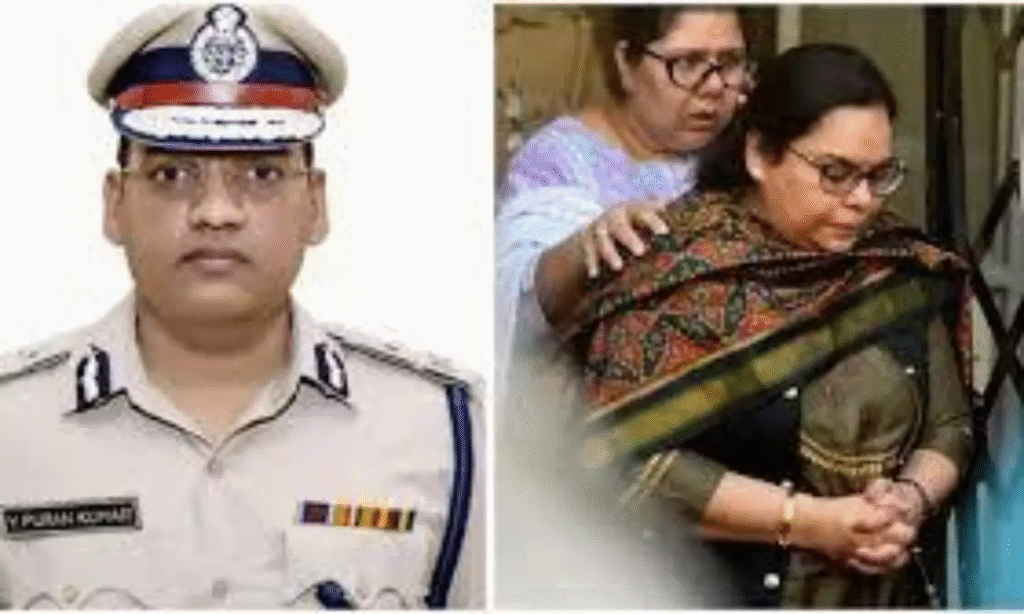
Senior IPS officer Y. Puran Kumar (2001 batch) tragically died by suicide on October 7 at his residence in Chandigarh. The incident has shocked the nation and sparked outrage, following allegations of prolonged caste based harassment and workplace bias, which the officer detailed in a lengthy suicide note.
Allegations in the Suicide Note
- In an eight page note, Puran Kumar reportedly named several senior IPS and IAS officers, accusing them of mental harassment, humiliation and sustained bias based on his caste background.
- He cited instances such as being denied leave, including on occasions when he needed to attend family emergencies, as well as repeated denials of promotions and fair appraisals.
- The note also served as a will, bequeathing his assets to his wife, IAS officer Amneet P. Kumar, and outlining a plea for justice after his death.
Legal Action and FIR Update
- Following his death, Amneet P. Kumar filed a formal complaint against several senior officials, including a state DGP and SP, alleging abetment to suicide and violations under the SC/ST (Prevention of Atrocities) Act.
- The FIR was later upgraded to include stronger provisions of the Act to ensure accountability.
- A Special Investigation Team (SIT) headed by Inspector General Pushpendra Kumar has been formed to investigate the case.
Autopsy Delay Raises Concerns
- The officer’s family has reportedly refused post mortem proceedings until their demands for a transparent investigation are met.
- Family members and community representatives argue that conducting an autopsy without upgrading the FIR and ensuring fair investigation would compromise justice.
- The delay has drawn criticism from activists and the public, who demand swift legal action and clarity.
Political and Social Reactions
- Leaders across political parties, Dalit organizations and civil rights groups have expressed outrage and demanded accountability.
- Many have said the case reveals the continuing caste prejudice that persists even in higher administrative ranks.
- The incident has reignited the conversation about institutional bias, workplace harassment, and mental health struggles faced by government officers.
Asaduddin Owaisi Condoles the Death of Haryana IPS Officer Y. Puran Kumar
Following the tragic death of Haryana IPS officer Y. Puran Kumar, who reportedly died by suicide after facing caste based harassment, AIMIM President Asaduddin Owaisi expressed deep sorrow and concern over the incident.
“The death of IPS officer Y. Puran Kumar is not just a personal tragedy it reflects the systemic failure that continues to suppress Dalits even when they achieve high positions. His death is proof that Dalits are still not allowed to progress freely in our country,”
Asaduddin Owaisi, via his official X (Twitter) handle.
Owaisi further extended his condolences to the officer’s family, urging that the matter be investigated thoroughly and justice delivered to the victim’s loved ones. He emphasized that the government must take strong measures against caste based discrimination within the civil services to prevent such incidents in the future.
Why This Case Matters
- Systemic Discrimination: Even senior officers allege they face caste based prejudice, highlighting deep rooted social inequities within institutions.
- Mental Health Awareness: The tragedy emphasizes the urgent need for better mental health support and mechanisms against workplace harassment.
- Justice and Transparency: The case underscores the necessity for swift and transparent investigations in sensitive matters involving senior officials.
- Public Accountability: Civil society groups are urging the government to set an example by ensuring justice, regardless of hierarchy or influence.
The Road Ahead
- The SIT’s findings and further legal developments are being closely watched.
- Pressure is mounting for the suspension of officers named in the suicide note until the investigation concludes.
- The case is expected to shape future conversations about caste discrimination and mental health within India’s police and administrative systems.
This tragic case serves as a grim reminder that institutional harassment and discrimination continue to erode morale and mental well being within public service.
Justice for Y. Puran Kumar is being seen not just as an individual case, but as a test of India’s resolve to protect its officers from systemic prejudice.