
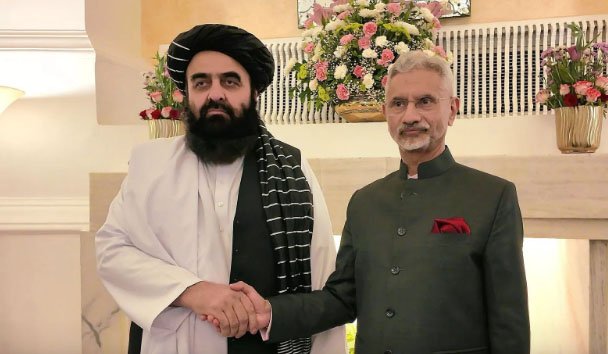
Amir Khan Muttaqi, Afghanistan’s Foreign Minister under the Taliban regime, is visiting India from October 9 to 16, 2025. His trip marks the first high level Taliban led diplomatic engagement with India since the regime took power in 2021. The visit reflects India’s cautious but growing engagement with Afghanistan, centered on trade, humanitarian cooperation, and regional stability.
Key Highlights of the Visit
India to Upgrade Its Mission in Kabul:
During discussions in New Delhi, Indian officials announced plans to upgrade their technical mission in Kabul to a full fledged embassy, signaling a new phase of diplomatic engagement.
Assurances from Kabul:
Amir Khan Muttaqi reaffirmed Afghanistan’s commitment that its territory will not be used against any country. He expressed gratitude for India’s ongoing humanitarian support and said he hopes for stronger bilateral ties.
Trade, Aid, and Connectivity:
Talks covered enhancing trade, restoring access for Afghan businesses and students, and facilitating medical travel for Afghan citizens. India also discussed using regional infrastructure, including the Chabahar Port, to expand trade and humanitarian logistics.
UN Travel Exemption:
Muttaqi’s visit was made possible after the United Nations temporarily lifted travel restrictions under sanctions, allowing him to attend meetings in New Delhi and other Indian cities.
Cultural Outreach:
As part of his itinerary, Muttaqi visited the Darul Uloom Deoband in Uttar Pradesh, where he interacted with religious scholars and community leaders. The visit was seen as a gesture to strengthen cultural and educational links between the two nations.
Strategic Significance
This visit marks a major shift in India’s approach toward Afghanistan. After closing its embassy and consulates following the 2021 fall of the previous government, India’s decision to re-establish a more visible presence in Kabul signals a pragmatic recalibration of its regional policy.
India’s renewed interest in Afghanistan is shaped by humanitarian concerns as well as strategic factors particularly the security situation in the region, the need to counter extremist influence, and the importance of maintaining trade routes through Central Asia.
While India still does not officially recognize the Taliban government, this engagement represents a step toward building operational ties on shared concerns such as counterterrorism, infrastructure, and regional stability.
Challenges Ahead
Human Rights and Governance:
India faces the challenge of engaging with a government under scrutiny for its restrictions on women’s rights and civil freedoms. How New Delhi balances pragmatic cooperation with its commitment to democratic values remains a key question.
Security Concerns:
Ensuring that Afghan territory is not used for activities hostile to India is a top priority. Muttaqi’s assurances will be tested by actions on the ground.
Sanctions and Legitimacy:
Many Taliban leaders remain under international sanctions, which could limit the scope of cooperation and affect formal agreements.
Trade Barriers:
While both sides expressed intent to expand trade, logistical hurdles including transport routes, customs regulations, and payment systems remain to be addressed.
What Lies Ahead
Observers expect that the reopening of India’s embassy could pave the way for renewed cooperation in trade, education, and humanitarian aid. The next few months will show whether the talks translate into tangible policy outcomes.
The visit is also likely to have wider regional implications influencing India’s diplomatic posture toward Pakistan, China, and the broader Central Asian region.
Conclusion
The visit of Afghanistan’s Foreign Minister Amir Khan Muttaqi to India opens a cautious but significant chapter in Indo-Afghan relations. While official recognition remains off the table, both sides appear ready to rebuild trust and pursue mutual interests through dialogue and practical cooperation.
In a time of shifting alliances and uncertainty, this engagement underscores the importance of diplomacy not just as a tool of statecraft, but as a bridge for peace, stability, and shared progress.