

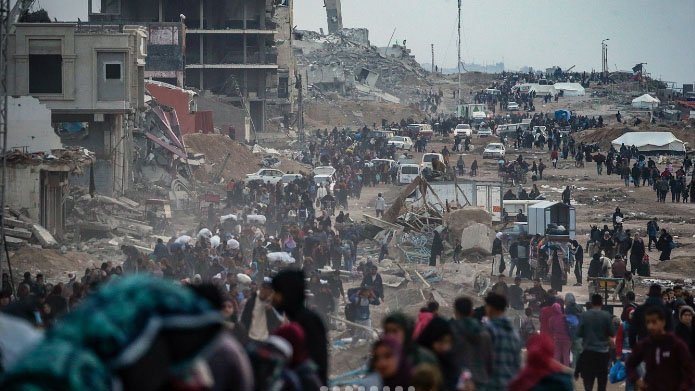
The question of whether Palestine is recognized as a state is more than a political debate it is a human story about Rights, Dignity, and Justice.
Over 130 countries, including most of Africa, Asia, and Latin America, recognize Palestine as a sovereign state. These nations cite Palestine’s historical presence, the 1988 Palestinian Declaration of Independence, and international law principles supporting the right of self-determination. For these countries, recognition is a statement that the Palestinian people deserve the same dignity, representation, and protection as any other nation.
On the other hand, countries like the United States, Germany, and several members of the European Union do not formally recognize Palestine as a state. They argue that recognition should come through negotiated agreements with Israel and fear that unilateral recognition could complicate the peace process. For these nations, the issue is often framed as political and strategic rather than moral.
Why does this matter for humanity? Recognition is not just a legal formality. It affects real lives: access to international aid, the ability to join global organizations, legal protection for citizens abroad, and the broader visibility of human rights issues. Denying recognition can leave communities marginalized and their struggles invisible on the world stage.
Beyond borders and politics, the Palestinian story is a reminder that human dignity is universal. Recognizing a state, supporting human rights, and advocating for justice are ways the global community can affirm that every person, regardless of nationality or religion, deserves to live with freedom, safety, and hope.
In the end, the conversation about Palestine is as much about humanity as it is about geopolitics. It challenges us to ask: How do we treat those whose voices are most at risk of being silenced, and what responsibilities do we share as human beings to ensure justice prevails?