
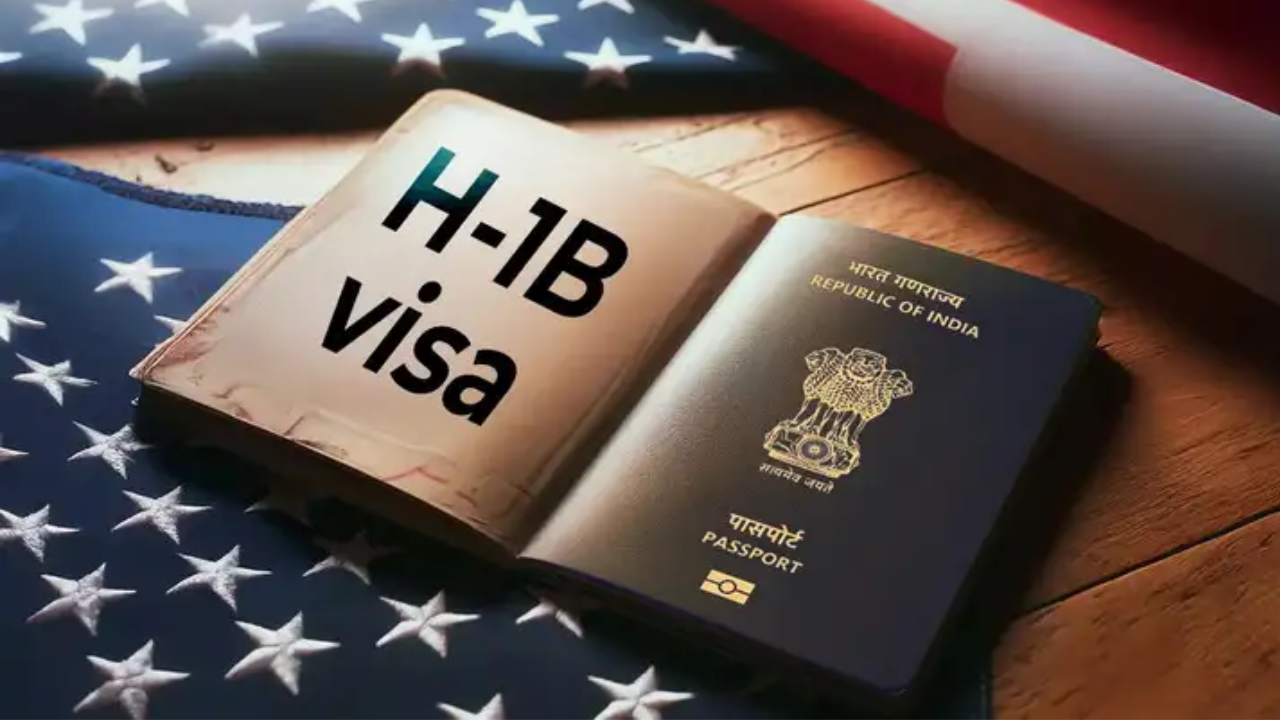
The U.S. government has announced a major increase in the H-1B visa application fee, raising it to $100,000 per application for new applicants, effective September 21, 2025. This sudden hike has created concern among Indian professionals, students, and companies relying on skilled foreign workers, particularly in the technology and IT sectors.
Why the Fee Has Been Increased
The U.S. administration stated that the fee hike is intended to ensure that only highly skilled foreign professionals are admitted and to protect American workers from displacement. Officials say the measure is meant to prioritize companies that truly require specialized talent, discouraging misuse of the visa program.
While U.S. policymakers emphasize this rationale, critics argue that the policy may discourage international talent, particularly smaller tech firms and startups, and could have wider economic consequences for the U.S. innovation ecosystem.
Impact on Indian Professionals
India accounts for more than 70% of H-1B visa holders, making this fee hike particularly significant for Indian nationals. Many skilled professionals from India work in the U.S., especially in software, engineering, healthcare, and finance.
Key implications include:
- Financial burden: With the new $100,000 fee, it becomes almost impossible for many individuals or smaller companies to afford H-1B sponsorship.
- Career disruption: Professionals planning to work or study in the U.S. may reconsider opportunities, delaying or even canceling relocation plans.
- Impact on families: Many H-1B holders relocate with their families. The sudden fee may prevent family members from accompanying workers, causing emotional and logistical challenges.
- Business disruption: Indian IT companies, which send thousands of employees to the U.S. for client projects, could face operational and contractual delays, affecting project delivery and revenues.
Industry experts warn that this change may also redirect talent to other countries, impacting both the U.S. labor market and India’s technology export revenues through remittances.
Response from India
The Indian government has expressed concern over the policy, particularly regarding the potential disruption to families and professionals abroad. The Ministry of External Affairs stated that it is monitoring the situation and hopes the U.S. administration will mitigate unintended humanitarian consequences.
Political leaders, including AIMIM chief Asaduddin Owaisi, have criticized the Indian government, saying that high profile diplomatic events such as Howdy Modi and Namaste Trump failed to prevent such a major setback for Indian professionals. Opposition leaders argue that the fee hike highlights the need for stronger diplomatic engagement and protection for overseas workers.
What Workers Can Do
- Understand the rules: The fee applies only to new H-1B applications. Existing visa holders and renewals are not affected.
- Plan finances: Companies sponsoring H-1B applicants must prepare for the higher cost. Individuals should consult immigration experts to understand alternatives.
- Explore alternatives: Professionals may consider other visa categories, international opportunities, or pursuing education/work in countries with more favorable visa policies.
Why This Matters
This fee hike is more than a financial adjustment; it affects the livelihoods, mobility, and career prospects of thousands of professionals worldwide, particularly Indians who rely on the H-1B program. Awareness of this change is crucial for students, professionals, and companies planning U.S. employment or projects in the coming years.
By understanding the reasons, potential impact, and mitigation strategies, Indian professionals can make informed decisions and plan ahead to protect their careers and families.